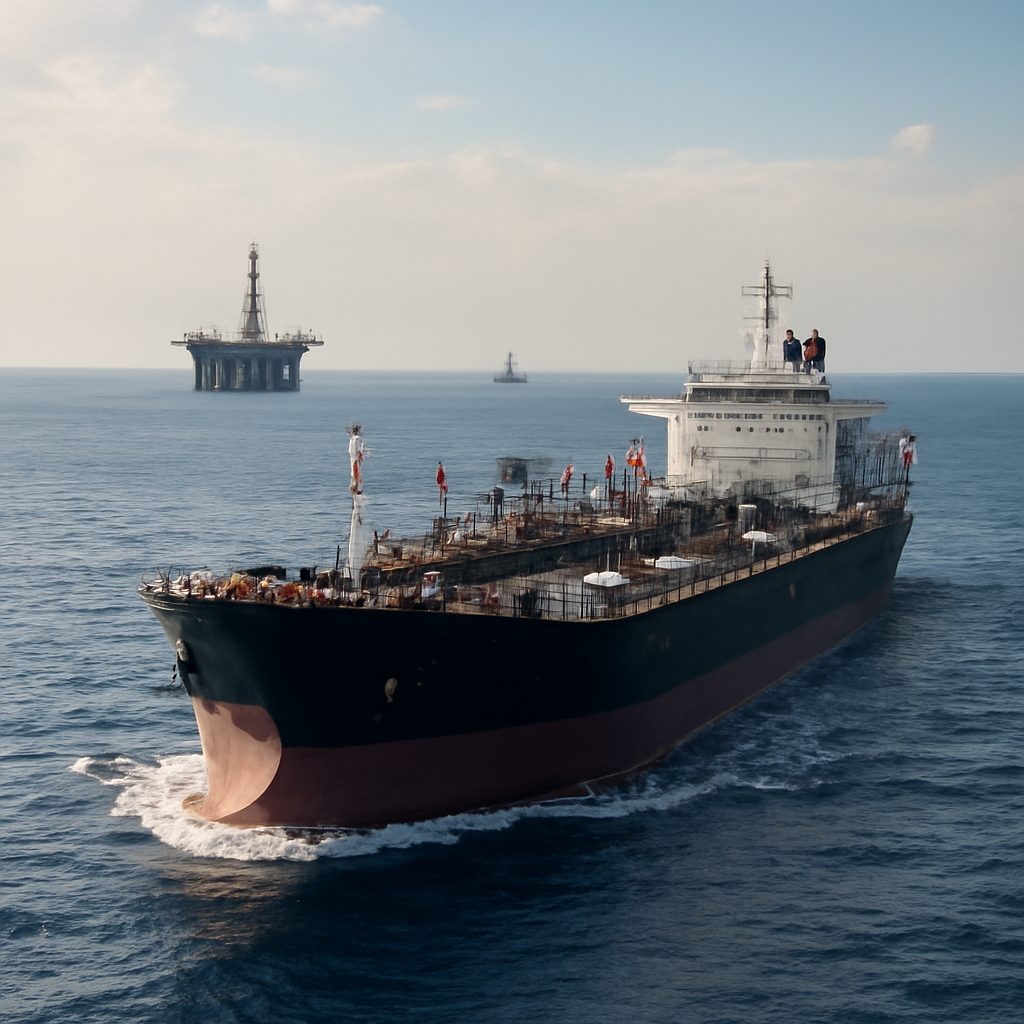
Crude oil prices have experienced a significant surge as tensions in the Middle East escalate. The recent addition of the Red Sea as a strategic chokepoint, alongside the Strait of Hormuz, highlights the growing regional instability. This development follows a series of Houthi rocket attacks on Saudi vessels in the Red Sea, an area crucial for the global oil trade.
The U.S. recently conducted its 13th consecutive night of strikes on Iranian targets. This move comes as Iranian hardliners continue to support Yemeni Houthi forces with weapons and training, exacerbating regional tensions. The increase in military activity has raised concerns over potential disruptions in oil transportation routes, critical arteries for global energy supplies.
The Strait of Hormuz has long been a focal point for geopolitical tensions, being the passageway for approximately a fifth of the world's oil supply. However, the Red Sea's emerging role as a new-area of conflict adds another layer of complexity. The potential impact on oil transportation through these vital waterways has prompted oil markets worldwide to react strongly, pushing prices higher.
The rise in crude oil prices amid these developments is closely watched by global markets. Energy analysts caution that prolonged instability could lead to further spikes, affecting everything from gas prices to transportation costs. The current situation underscores the delicate balance of Middle Eastern geopolitics and its far-reaching implications on the global economy.
The market volatility reflects broader uncertainties, as any further escalation could severely disrupt global oil supply chains. Observers emphasize the importance of diplomatic engagement to de-escalate tensions and restore stability to this vital region.
As events continue to unfold, the world watches how these geopolitical dynamics will influence both local and international markets, with crude oil prices serving as a barometer for ongoing unrest in the Middle East.