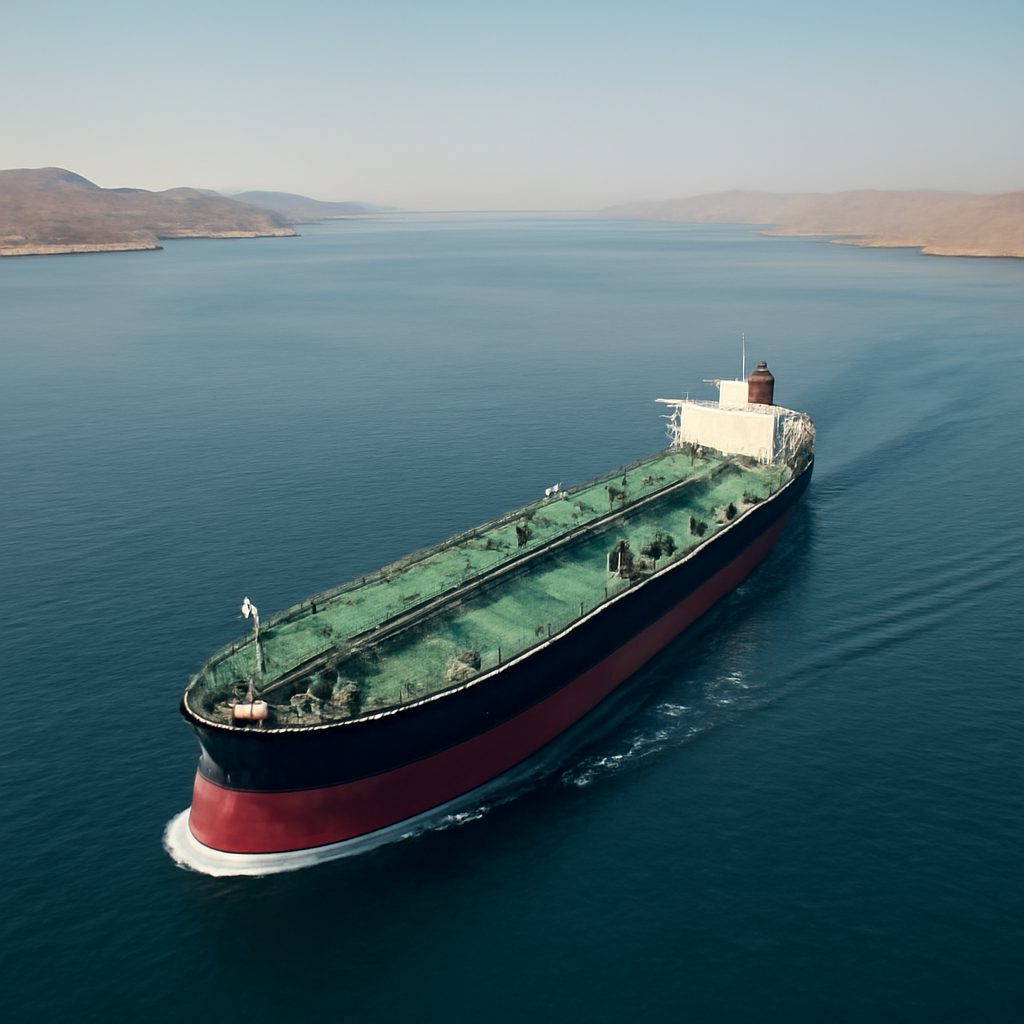
Oil prices have surged as escalating tensions between the United States and Iran over the control of the Strait of Hormuz draw global attention. The strategic waterway, which is one of the most critical channels for oil transportation, has seen increased disputes that threaten the stability of international shipping routes and energy markets.
The friction between the U.S. and Iran flared over the weekend, leading to renewed concerns about the passage's accessibility for merchant ships. The Strait of Hormuz is vital, as it sees roughly a fifth of the world’s oil pass through its narrow confines, linking major producers in the Middle East with global markets.
Recent exchanges between the two nations have exacerbated fears of potential disruptions. Both countries have vested interests in the region, with the U.S. often deploying naval forces to ensure the security of maritime transit, while Iran remains firmly positioned on maintaining its influence over the crucial waterway.
Rising oil prices are a direct consequence, as the uncertainty around safe passage impacts market confidence. The global economy relies heavily on the continuous and secure flow of oil from the Gulf states, making any potential obstruction a significant threat to stability. Analysts are observing the situation closely, warning of the broader economic implications that could result from prolonged tensions.
Historically, the Strait of Hormuz has been a focal point of geopolitical challenges, reflecting the delicate balance required to maintain peace and economic prosperity. As both nations continue to flex their muscles, the stakes remain high, with the world's energy security hanging in the balance.
In summary, the disputes over the Strait of Hormuz are not just about territorial control but are significant for their potential impact on global oil prices and economic health. The situation continues to develop, with industry stakeholders and governments alike keeping a watchful eye on any further escalations.