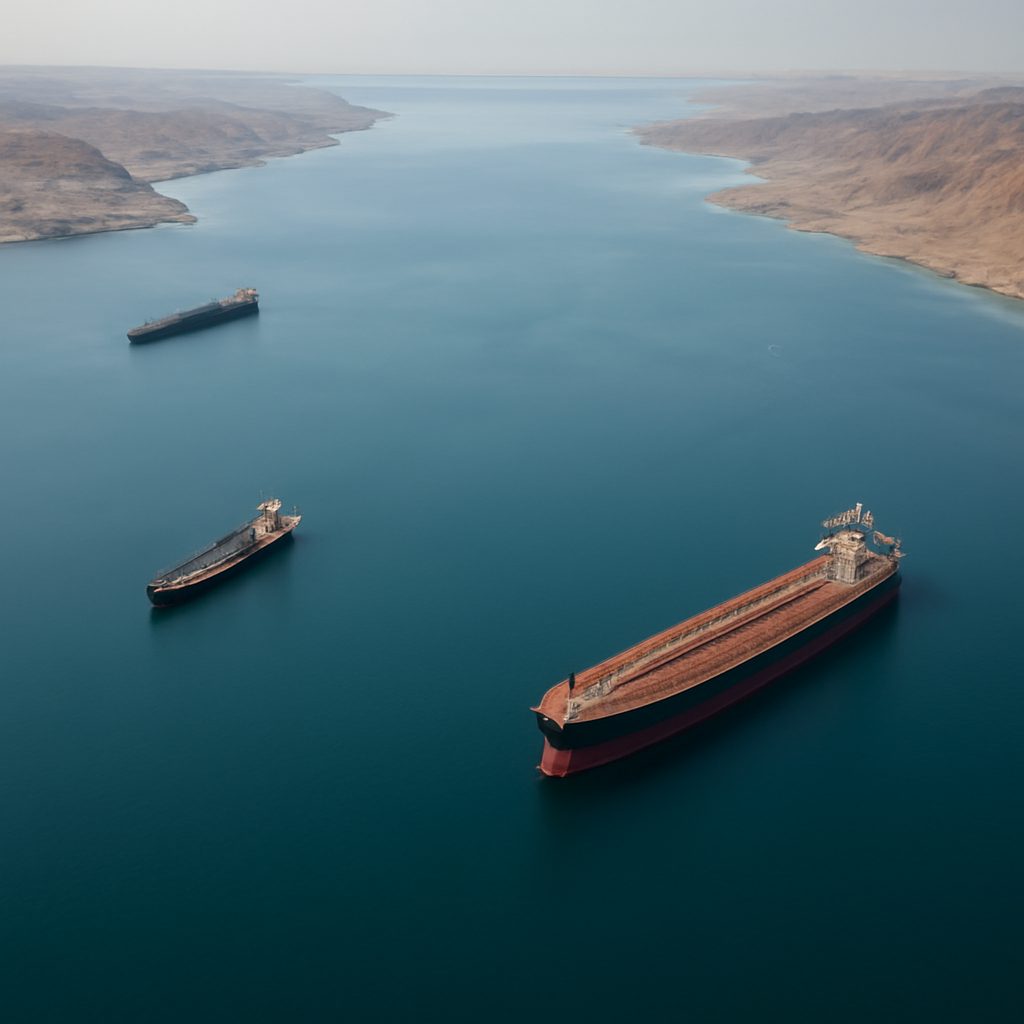
The escalating conflict in the Middle East continues to draw significant attention as the U.S. launches its 12th consecutive night of military strikes amid deepening threats to global oil trade routes. The tensions, concentrated around the strategic Strait of Hormuz, pose significant risks to international commerce and energy markets.
The Strait of Hormuz, a critical chokepoint for the world's oil supply, has become a focal point of geopolitical strife. Recent actions by the U.S. are in response to threats against oil shipments traversing this essential maritime route. President Trump has indicated that any attack on ships in the area could result in retaliatory strikes on key Iranian infrastructure, such as bridges or power plants.
Concerns about stability in the region continue to grow. The strait sees the passage of approximately one-fifth of global petroleum consumption, and any prolonged disruption could have serious consequences for oil prices and energy security worldwide. Industry insiders report that the mounting tension has effectively stalled movement in the region, with one shipping expert stating, "nothing is going through."
Iran's strategic location and its control over significant oil reserves heighten the stakes in this ongoing conflict. The international community watches closely as potential supply disruptions remain a critical concern for economies heavily dependent on oil imports.
Potential consequences of any escalation could ripple through global markets, affecting not only energy prices but also broader economic stability. The situation highlights the precarious nature of global energy supply chains and the pivotal role geopolitical dynamics play.
As the situation unfolds, international diplomatic efforts aim to de-escalate tensions and ensure the continuous flow of oil through the vital Strait of Hormuz. The coming days may be crucial in determining the direction of this conflict and its impact on global trade.