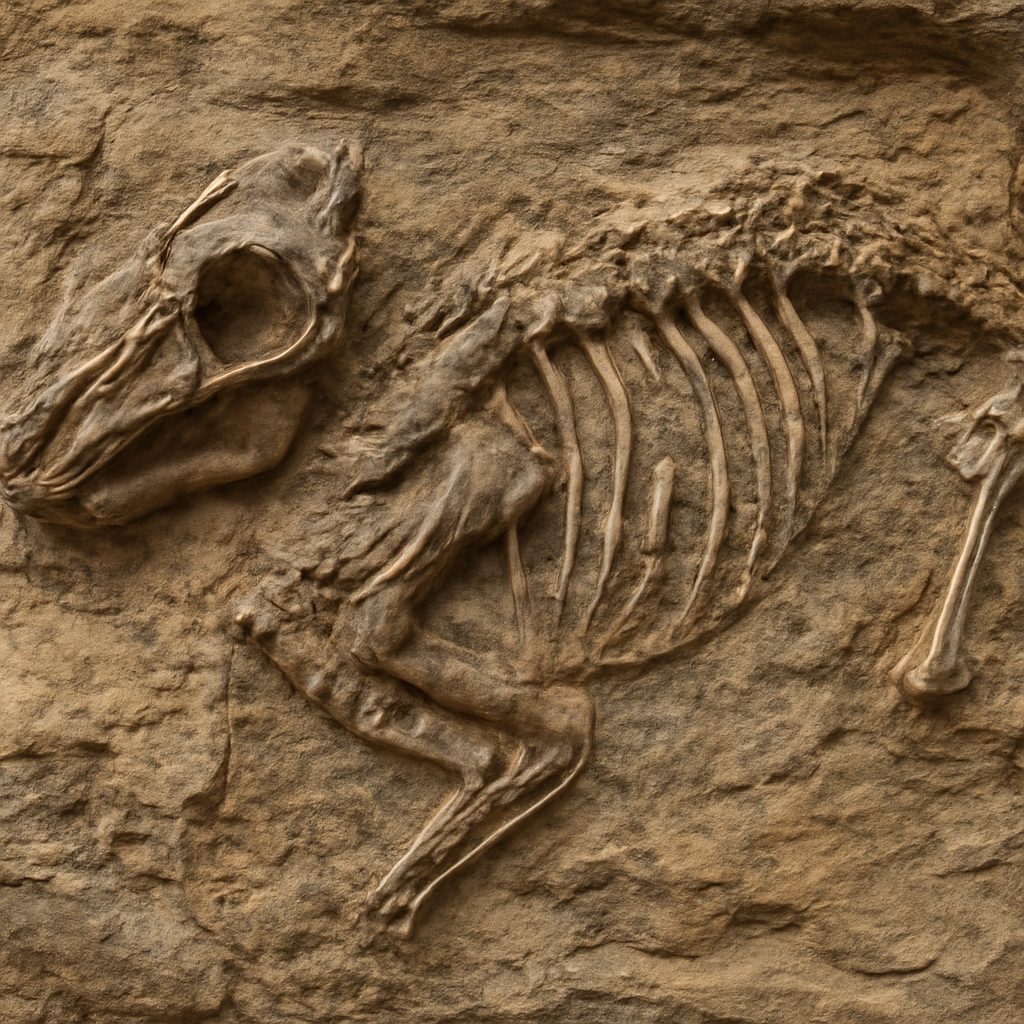
A recent discovery of a 236-million-year-old cynodont fossil is reshaping our understanding of mammalian ancestry and the origins of live birth. Cynodonts, the precursors to modern mammals, were long thought to be egg-laying creatures. However, new fossil evidence now suggests these ancient ancestors may have given birth to live young instead.
The cynodont fossil, dated to the Triassic period, presents a fascinating glimpse into the reproductive evolution of early mammals. Researchers examining the fossil found indications of live birth, which challenges long-standing scientific assumptions. Until now, cynodonts were believed to lay eggs, much like their reptilian relatives. This discovery opens up new avenues in the study of mammalian evolution, offering insights into how these ancient creatures may have lived and reproduced.
This revelation about cynodont reproduction is significant for understanding the broader picture of evolutionary biology. Scientists have long studied the transition from egg-laying to live births as a crucial evolutionary step. By uncovering live birth capabilities in cynodonts, researchers gain a deeper understanding of the adaptations that early mammals underwent to survive and thrive in their environments.
The fossil, meticulously preserved in stone, offers remarkable detail that allows paleontologists to make these groundbreaking deductions. As the scientific community delves deeper into this discovery, the implications for evolutionary biology continue to expand. This newfound understanding of cynodonts not only highlights their evolutionary significance but also helps clarify the timeline of mammalian reproductive adaptations.
As more research is conducted, the scientific community eagerly anticipates further discoveries that could provide additional clarity on the evolution of live birth among early mammalian ancestors. This finding is a testament to the ever-evolving nature of scientific inquiry and the endless possibilities that lie within the fossil record.