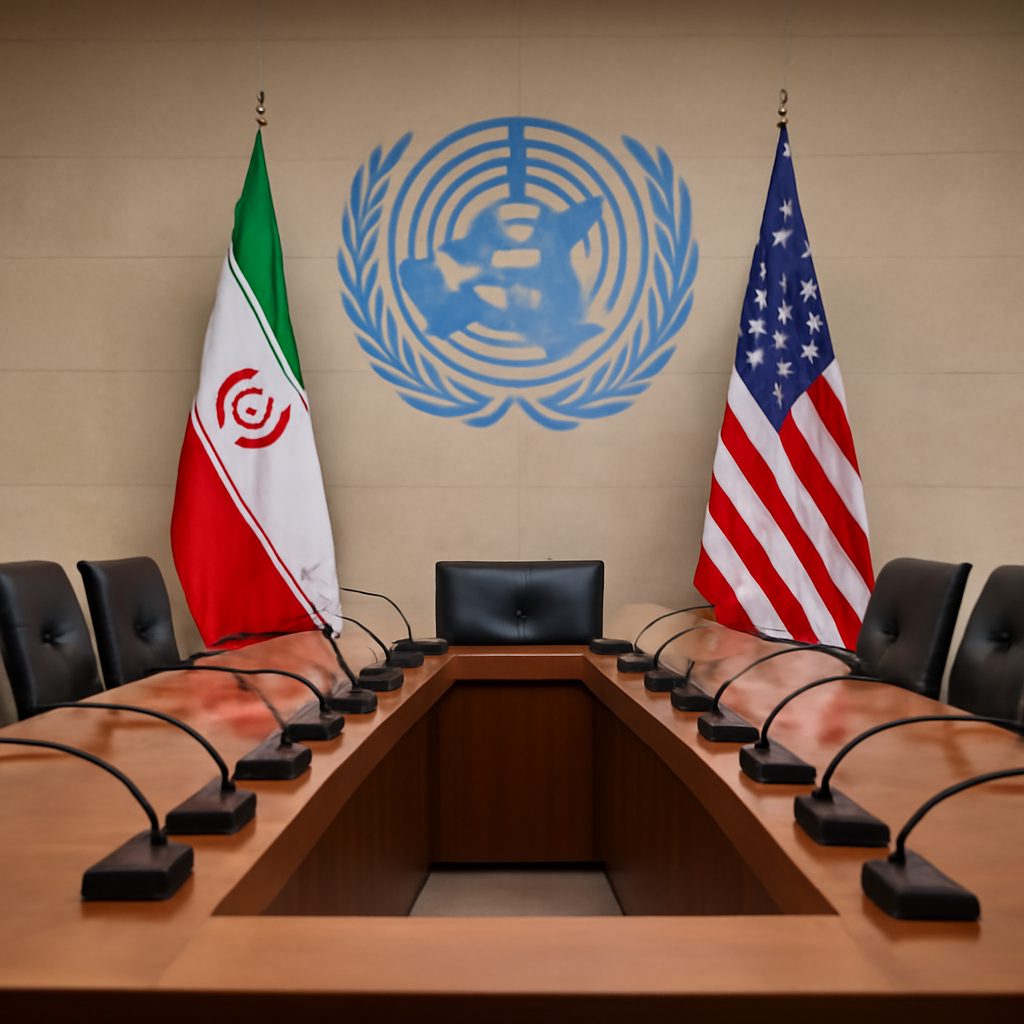
The ongoing tension between Iran and the United States escalated dramatically this week. During the U.N. General Assembly, Iran's President labeled recent U.S. actions as "cowardly." This came shortly after former President Trump threatened to "annihilate" the Iranian regime, further heating the geopolitical climate.
Primary keyword: Iran-U.S. tensions; secondary keywords: diplomacy, U.N. General Assembly, U.S. threats, Iranian regime.
The delegations from both countries met on the sidelines of the Assembly, attempting to rekindle diplomatic discussions amid these heightened threats. While the possibility of open conflict looms, these interactions at the U.N. signal a faint hope of dialogue between Washington and Tehran.
This latest exchange follows years of strained relations marked by disagreements over nuclear capabilities and regional influence. The U.S. has long expressed concerns over Iran's nuclear ambitions, leading to a withdrawal from the Iran nuclear deal in 2018. The Trump administration had implemented stringent sanctions aimed at curbing Iran's nuclear program, intensifying economic hardships within the country.
On the diplomatic front, both nations have occasionally signaled willingness to negotiate. However, these efforts have often been overshadowed by the rhetoric of aggression, particularly as leaders vie to assert dominance on the world stage. The situation remains fluid, with each development closely watched by the global community.
In conclusion, as Iran and the U.S. continue to lock horns at the diplomatic level, the international community remains hopeful for a peaceful resolution. As accusations and threats fly, the focus is on whether these nations can bridge their divide through dialogue and diplomacy within the vibrant setting of the United Nations.