Recent discoveries at a Maya site in Guatemala have unveiled mathematical formulas that could redefine our understanding of ancient mathematical prowess. The findings, linked to an astronomer named Sak Tahn Waax, suggest that the Maya civilization possessed knowledge rivaling some of history’s renowned intellectuals.
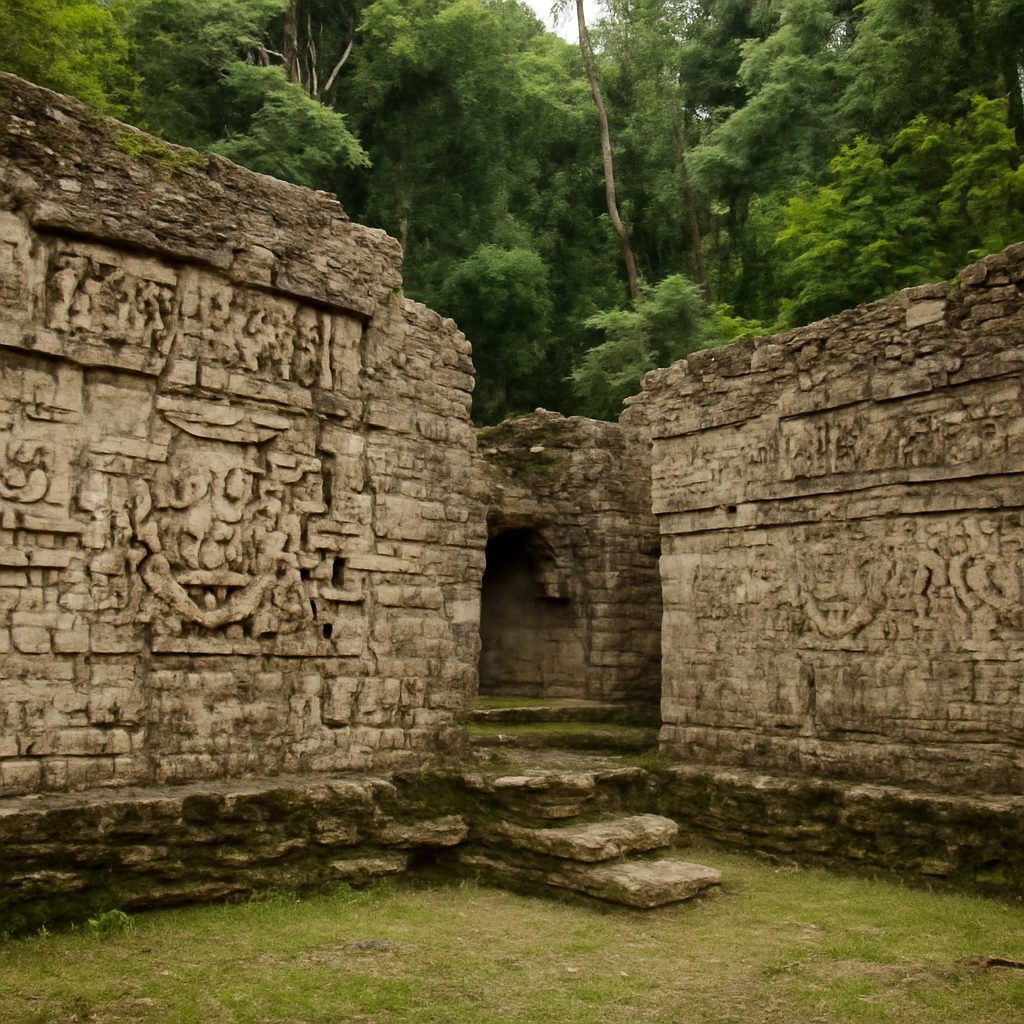
The Maya civilization, known for its advanced understanding of astronomy and mathematics, has long intrigued archaeologists and historians. This recent revelation further cements their reputation as master mathematicians. The site in Guatemala where these texts were found includes intricate carvings on ancient walls, providing fascinating insights into their sophisticated mathematical systems.
Sak Tahn Waax, an astronomer mentioned in the texts, played a pivotal role in the Maya's scientific achievements. His contributions highlight the intersection of astronomy and mathematics in Maya culture, where precise calendrical calculations and astronomical observations were crucial.
This discovery adds to the growing evidence of the Maya's profound knowledge, exemplifying their complex number systems and calendar calculations. The site, surrounded by lush jungle and rich history, presents a unique opportunity for researchers to delve deeper into the technological and intellectual advancements of this ancient civilization.
As archaeological techniques advance, the possibilities for uncovering further insights into the Maya world expand, promising to reshape our understanding of their contributions to mathematics and science. Continued exploration of these sites is essential for building a comprehensive picture of Maya achievements.
By bridging the gap between the ancient and modern worlds, these findings provide a tangible connection to the mathematical and scientific legacy of the Maya, underscoring their enduring influence on human history.