Ratko Mladic, the convicted Bosnian Serb war criminal often referred to as the 'butcher of Bosnia,' has died at the age of 84. The United Nations tribunal in The Hague confirmed that Mladic passed away in a UN prison hospital located in the Netherlands.
Mladic was infamously known for his role during the Bosnian War in the 1990s, which saw devastating conflicts and severe ethnic cleansing campaigns. He was sentenced to life imprisonment after being found guilty of genocide, war crimes, and crimes against humanity. The most notorious of his actions was the Srebrenica massacre in 1995, where thousands of Bosniak men and boys were systematically executed.
The UN tribunal in The Hague has been instrumental in dealing with war crimes and delivering justice for victims. Mladic's trial and conviction were seen as landmark achievements in international law, representing years of effort to bring alleged criminals to justice. His conviction stood as a symbol of accountability, reminding the world of the atrocities committed during one of Europe's darkest periods since World War II.
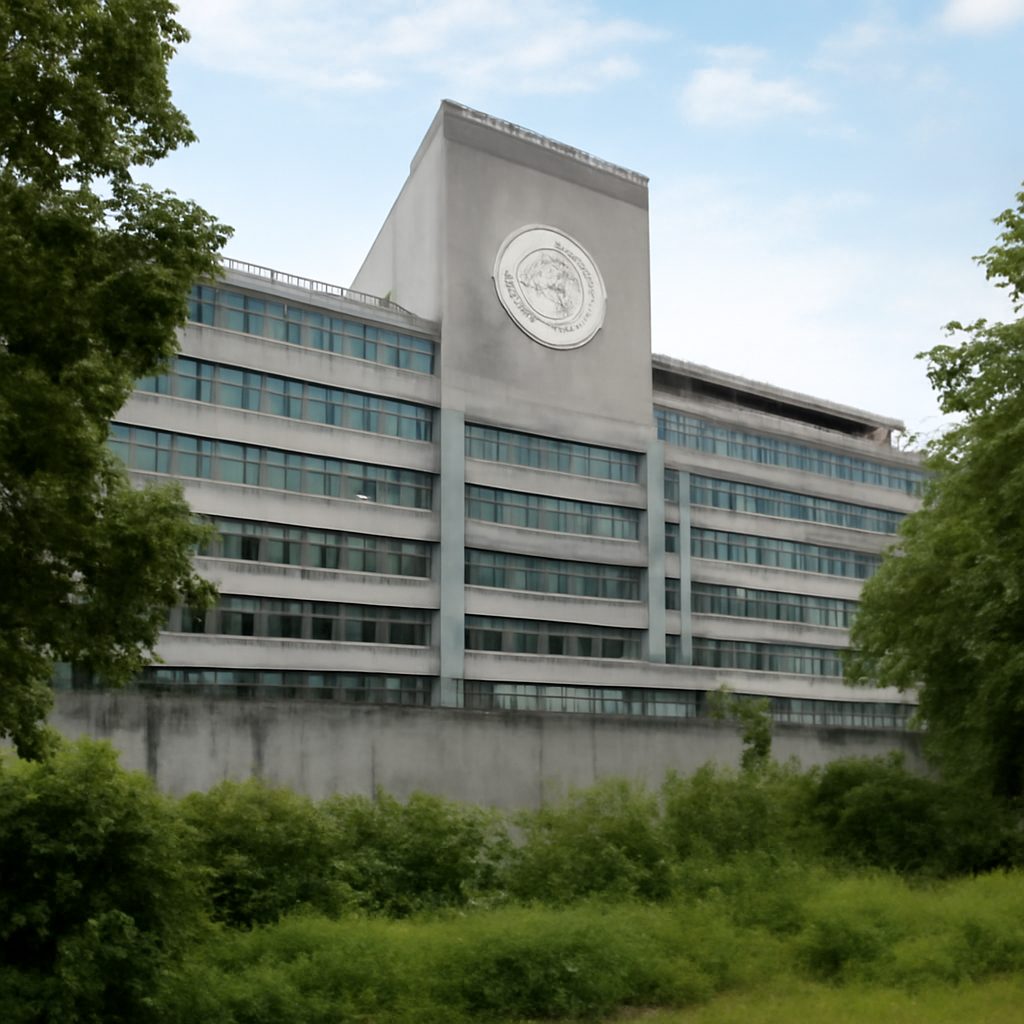
The detention facility where Mladic spent the last years of his life is part of a broader UN initiative to uphold international humanitarian law. The facility has housed numerous individuals convicted of war crimes, highlighting the international community's commitment to ensuring that such crimes do not go unpunished.
With Mladic's death, attention returns to the importance of historical memory and education in preventing future atrocities. The international community continues to stress the crucial role of tribunals and justice systems in addressing past wrongs.
Mladic's life and actions serve as a reminder of the harsh realities of war and the enduring impact of aggressive nationalism. His passing in a UN prison underscores the ultimate reach of international justice efforts, even years after the conflicts in the Balkans have ended.