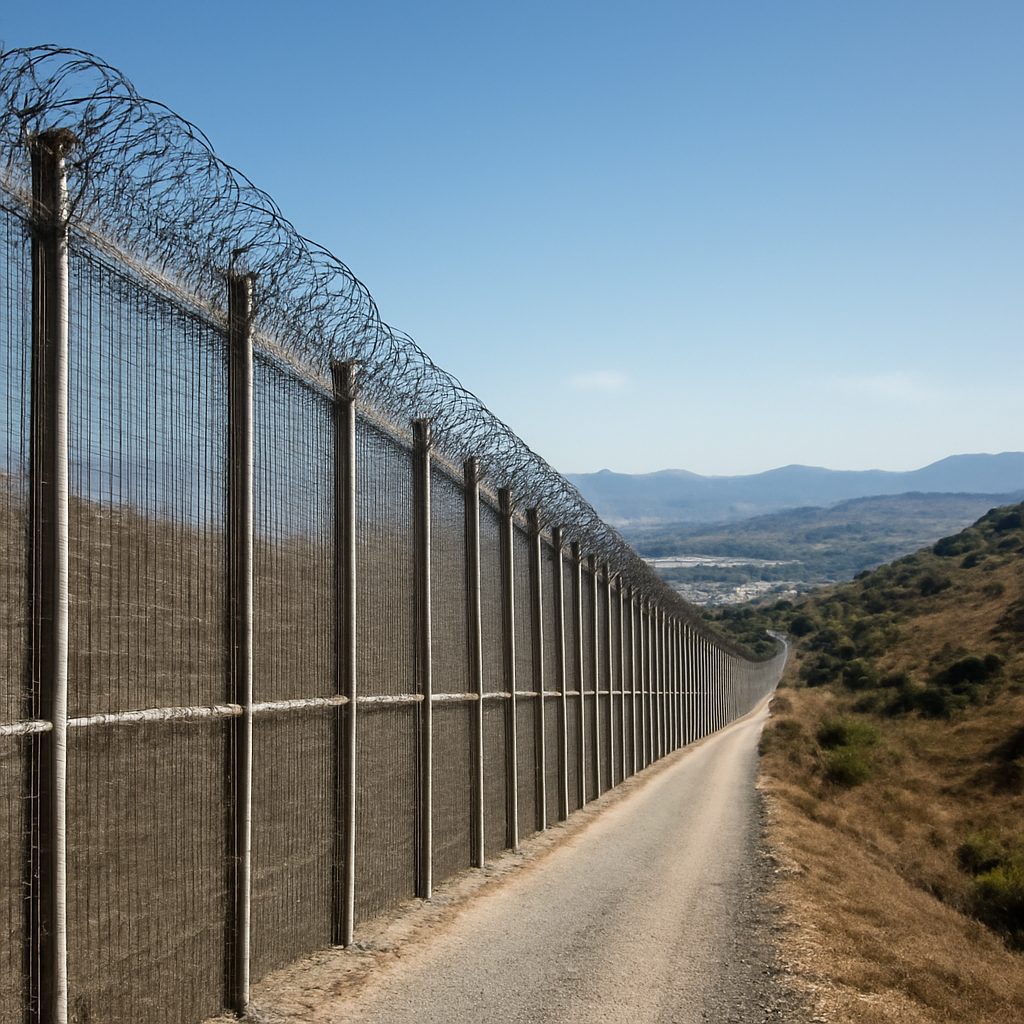
Ceuta is currently confronting the aftermath of a significant migrant surge, which has reignited discussions about immigration across Europe. In recent developments, the Spanish exclave witnessed the temporary entry of around 60,000 migrants. However, over the weekend, most have returned to Morocco, alleviating immediate pressures but leaving enduring questions about border policies.
The recent events in Ceuta underscored the complexity of managing migration flows at Europe's borders. The Spanish authorities, tasked with maintaining the security and stability of this strategic territory, described the situation as a critical test of their border management and bilateral relations with Morocco. The rapid influx and subsequent return of migrants have left both challenges and solutions for officials to ponder.
As the political implications ripple across Europe, the incident has brought renewed focus on the broader immigration debate. Countries within the EU are once again debating policies aimed at managing migration more effectively. This situation amplifies existing tensions regarding the approach towards refugees and economic migrants arriving at European shores.
The dynamic between Spain and Morocco is particularly significant, given that Ceuta represents one of only two land borders between Africa and Europe. The events have compelled both nations to recalibrate their border cooperation strategies to prevent future crises of this nature. Moreover, the EU is closely monitoring the unfolding situation as it may influence future policy adjustments for managing external borders.
As Ceuta continues to navigate these challenges, its experience may serve as a case study for other European regions facing similar issues. The dialogue around immigration reform remains crucial, aiming to balance humanitarian responsibilities with national security concerns.
In this context, Ceuta's recent experiences reflect broader issues that are likely to persist in European policy discussions, highlighting the need for cohesive strategies that address both immediate and future migration pressures.