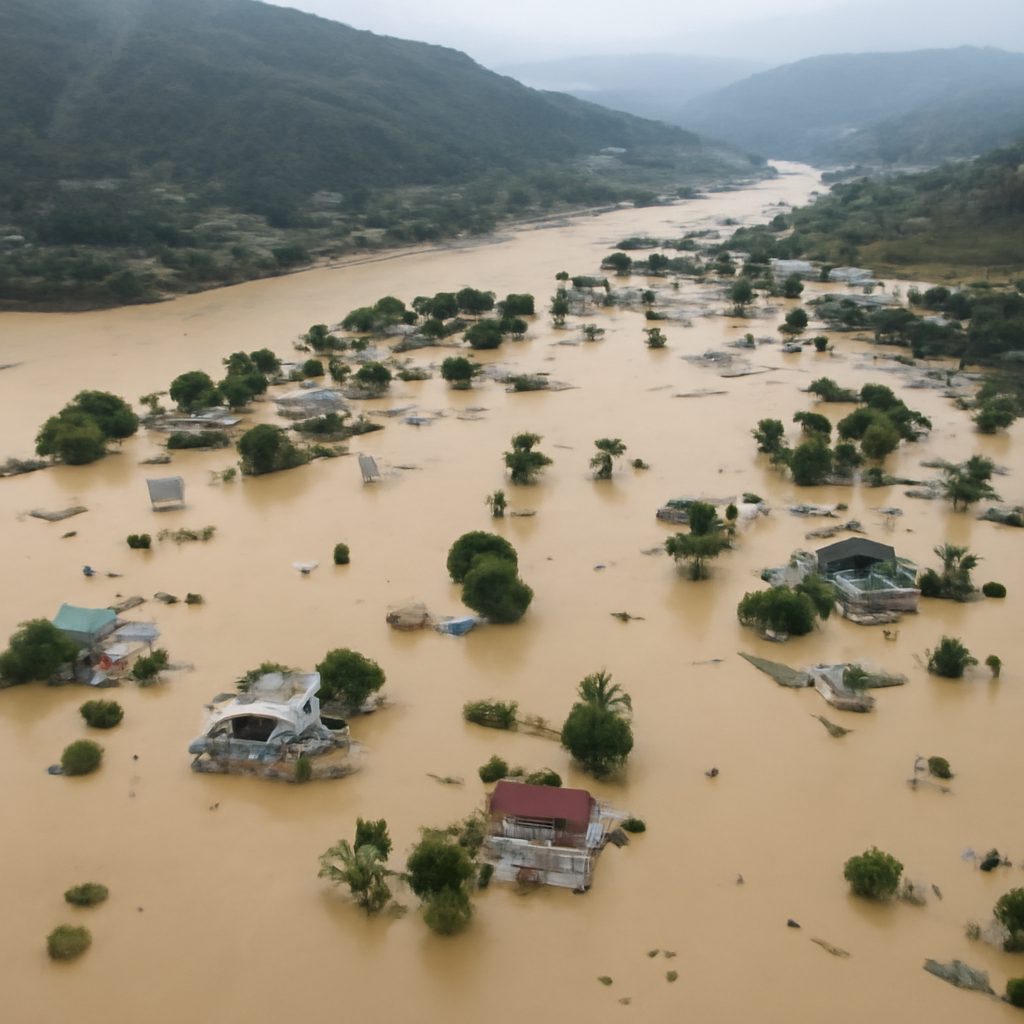
The recent China-Nepal flood disaster has seen a dramatic rise in the death toll as rescue teams continue their efforts to locate missing workers. The catastrophic flooding has left communities along the border region devastated, with survivors returning to find their homes and livelihoods in ruins.
The floods, which began last week, have been exacerbated by relentless rainfall, causing rivers to overflow and resulting in widespread destruction. The affected areas are facing enormous challenges in terms of both immediate rescue operations and long-term recovery efforts.
Rescue teams are working diligently to search for missing individuals amid harsh conditions. With infrastructure severely damaged, accessing remote areas has proven difficult, highlighting the logistical challenges faced by relief operations. Emergency services are utilizing helicopters and boats to reach isolated communities, providing essential supplies and support.
The floods have drawn attention to the vulnerabilities of regions prone to natural disasters. This situation underscores the urgent need for improved infrastructure and preparedness measures in both China and Nepal. Collaborative international aid and more resilient construction in flood-prone zones are critical steps to mitigate future incidents.
Authorities are urging residents in affected areas to remain vigilant and adhere to safety guidelines as floodwaters continue to pose risks. As rescue and relief efforts intensify, the focus remains on providing immediate assistance to those impacted and beginning the long process of rebuilding shattered communities.
The China-Nepal flood disaster serves as a stark reminder of the power of nature and the necessity for comprehensive disaster management strategies. International support and local cooperation will be key in overcoming the immense challenges posed by this devastating event.