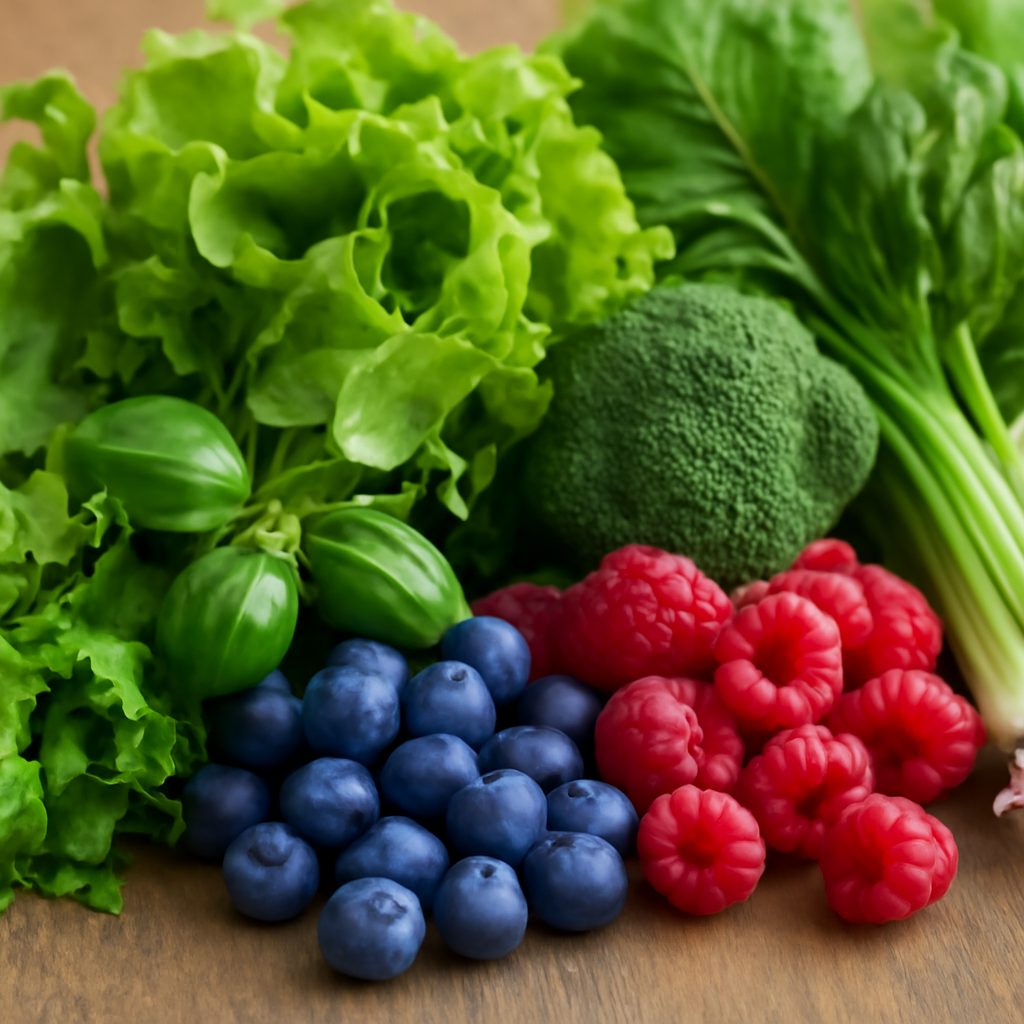
Amid a surge in cyclospora cases across the United States, many are questioning whether it's safe to consume fresh produce. Cyclospora, a parasite causing severe diarrhea, poses health risks, and understanding its transmission is crucial for prevention.
Cyclospora infections, known medically as cyclosporiasis, have gained attention due to several outbreaks linked to contaminated food. This microscopic parasite typically spreads through ingesting food or water tainted with fecal matter containing cyclospora. Fresh produce, such as leafy greens and berries, has been identified as a common source of contamination.
To mitigate the risk of cyclospora infection, it is essential to practice proper food safety measures. Washing fruits and vegetables thoroughly under running water can help remove contaminants. Peeling or cooking produce may also reduce the risk of infection, as heat can destroy the parasite. Additionally, being aware of current food recalls and advisories can provide guidance on which products to avoid.
Health experts recommend maintaining good hygiene and sanitation practices both in food preparation and consumption. Individuals can protect themselves by ensuring their hands are washed thoroughly before handling food, and by using clean surfaces and utensils.
While the presence of cyclospora raises concerns, regulatory agencies are actively monitoring outbreaks to safeguard public health. Efforts from both food producers and consumers are essential in minimizing the spread of this parasite.
By staying informed and following safety practices, it is possible to enjoy fresh produce while reducing the risk of cyclospora infection. For more detailed information, consult official health advisories and resources dedicated to food safety education.