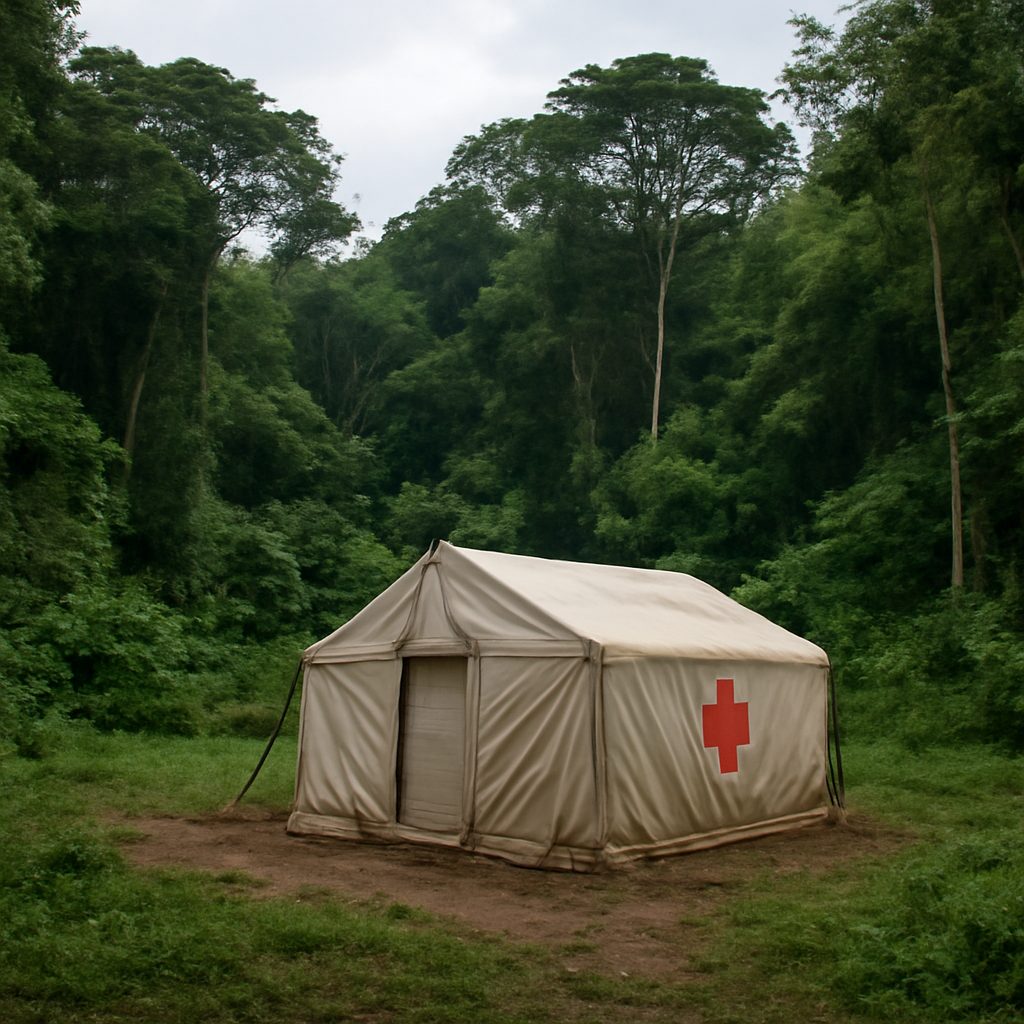
The current Ebola outbreak in Congo has rapidly escalated, causing alarm as it surpasses major previous epidemics in terms of speed. The outbreak has resulted in more than 1,000 deaths, reaching this critical point almost three times faster than the 2014-2016 epidemic. The World Health Organization (WHO) has been closely monitoring the situation, highlighting the urgent need for effective containment measures.
Ebola, a highly infectious virus, spreads through direct contact with bodily fluids of infected individuals. The Democratic Republic of the Congo, where this outbreak is centered, has faced numerous challenges such as conflict and lack of resources, complicating containment efforts. Secondary keywords such as "Ebola epidemic 2014," "Congo health crisis," and "global outbreak response" are essential in understanding the context and scale of the situation.
The rapid spread of the virus emphasizes the importance of swift international cooperation and support. Health organizations are striving to implement measures such as vaccination campaigns and community education to curb the transmission. However, logistical hurdles and security issues in the region pose significant difficulties.
Historically, the 2014-2016 Ebola epidemic primarily impacted West Africa, marking one of the deadliest outbreaks with over 11,000 deaths. Learning from past experiences, international health agencies are actively engaging with local authorities and communities to enhance response efforts.
As the situation evolves, continual research and prompt action remain crucial to control the outbreak. The global health community's focus remains on meticulous tracking, rapid response, and delivering necessary medical supplies and support to the affected areas. With concerted efforts, there is hope for mitigating this public health threat efficiently and effectively.