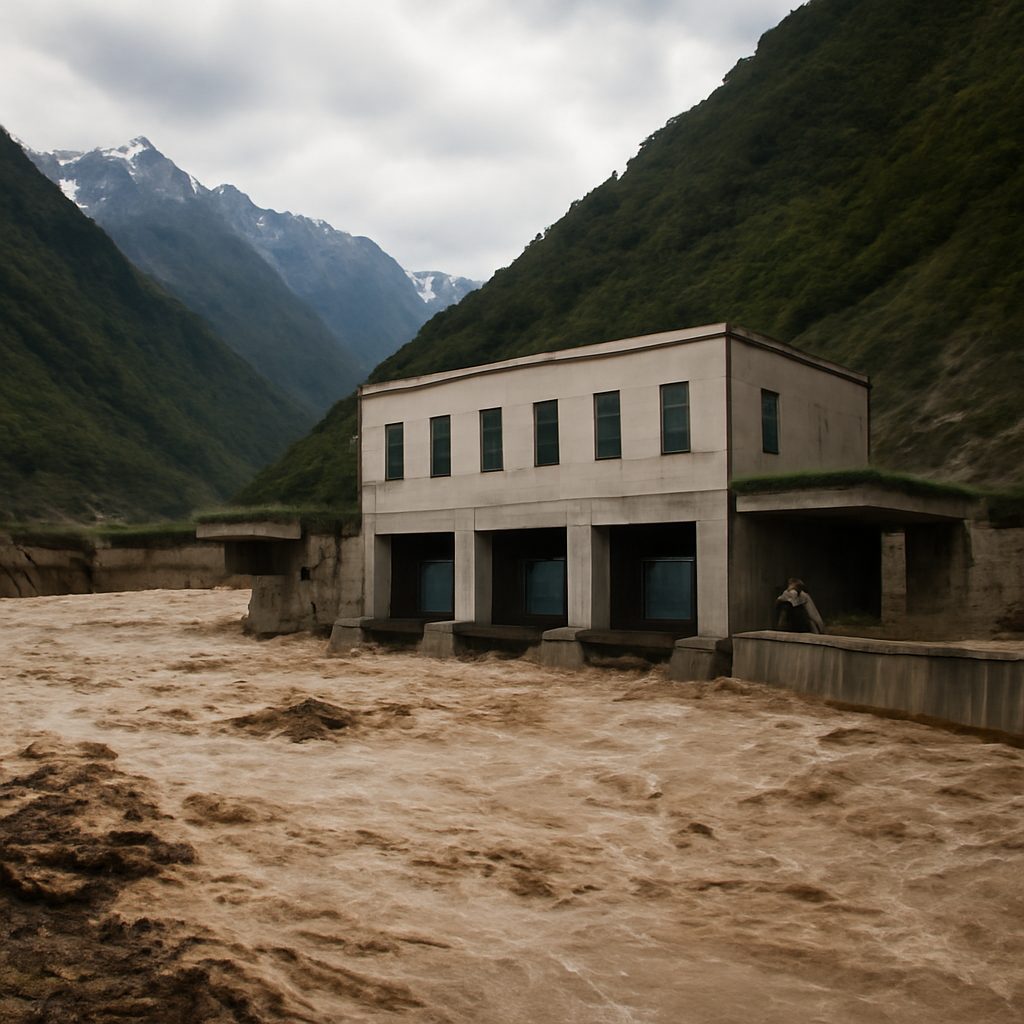
Devastating floods have struck the Nepal-China border region, resulting in the disappearance of hundreds of hydropower workers and leaving nearly 3,000 individuals unaccounted for. This catastrophic event has led to extensive damage across both countries, prompting major rescue and relief efforts.
The flash flooding, which occurred earlier this week, has severely impacted the hydropower sector in this mountainous area. Nepal and China, known for their challenging terrain, often battle extreme weather conditions, but the scale of this disaster has taken local authorities by surprise. Efforts are ongoing to search for the missing and provide aid to those affected.
The hydropower facilities, crucial for local energy supply, have been significantly affected, with damage to infrastructure and ongoing operations. The impact of these floods underscores the vulnerability of such installations to natural disasters in mountainous regions, where rapid water flow can cause substantial destruction.
With emergency services and the military involved in the rescue operations, both Nepal and China are working tirelessly to locate those still missing. The floods highlight the critical need for enhanced disaster preparedness and response mechanisms in these hazard-prone areas.
In the aftermath of this tragedy, there is an increased focus on the resilience of infrastructure and communities. Discussions around improving early warning systems and flood defenses are likely to grow as the region looks to recover from this devastation.
The international community has begun to respond with aid offers, but the immediate focus remains on rescue and relief. The situation continues to evolve, with ongoing updates from authorities regarding the status of both the missing individuals and the repairs required for the affected regions.