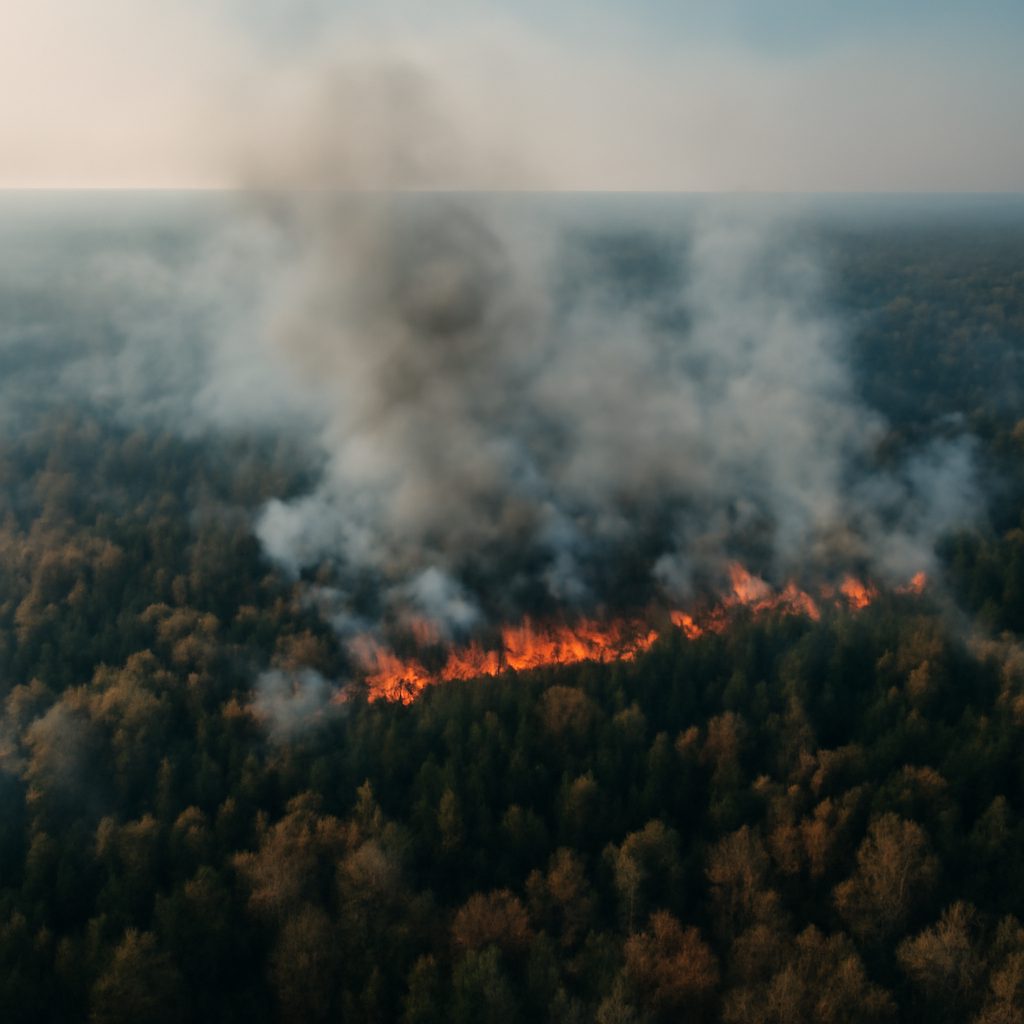
France and Spain wildfires have prompted the evacuation of nearly 200,000 people in south-western France, as firefighters struggle to control intense blazes. Close to Bordeaux, large areas have been cleared as authorities prioritize the safety of residents amid deteriorating conditions.
Simultaneously, Spanish officials have reported that a fire near Madrid is presenting significant challenges for firefighting teams. With the situation described as "beyond the capacity" of local emergency services, the fires are putting pressure on both nations' resources.
Climate conditions and weather patterns in Europe have contributed to the spread and intensity of these wildfires. Prolonged heat waves and dry conditions create a perfect environment for fires to ignite and expand rapidly. The impact is devastating not only for communities but also for the natural landscapes, with widespread damage to forests and wildlife.
Efforts to combat the fires in both countries have involved deploying additional firefighting units, aircraft, and equipment. Despite these efforts, the scale of the fires and adverse weather conditions have hindered progress. Authorities are constantly assessing the situation, urging nearby residents to remain alert and prepared for further evacuation orders if necessary.
Both France and Spain have experienced an increase in wildfire incidents in recent years, attributed to changing climate conditions. Initiatives to strengthen fire prevention and response capabilities are essential to improving resilience against such natural disasters.
Ongoing developments in technology are playing a crucial role in detecting and managing wildfires. Satellite imagery and drone surveillance are increasingly used to monitor affected areas, providing valuable data to firefighting teams on the ground. These advancements are vital in supporting swift and effective responses to emerging threats.
The current situation highlights the growing challenges posed by climate change and the importance of coordinated efforts in disaster response. As communities brave these difficult times, ongoing support and strategic planning remain crucial for mitigating future risks.