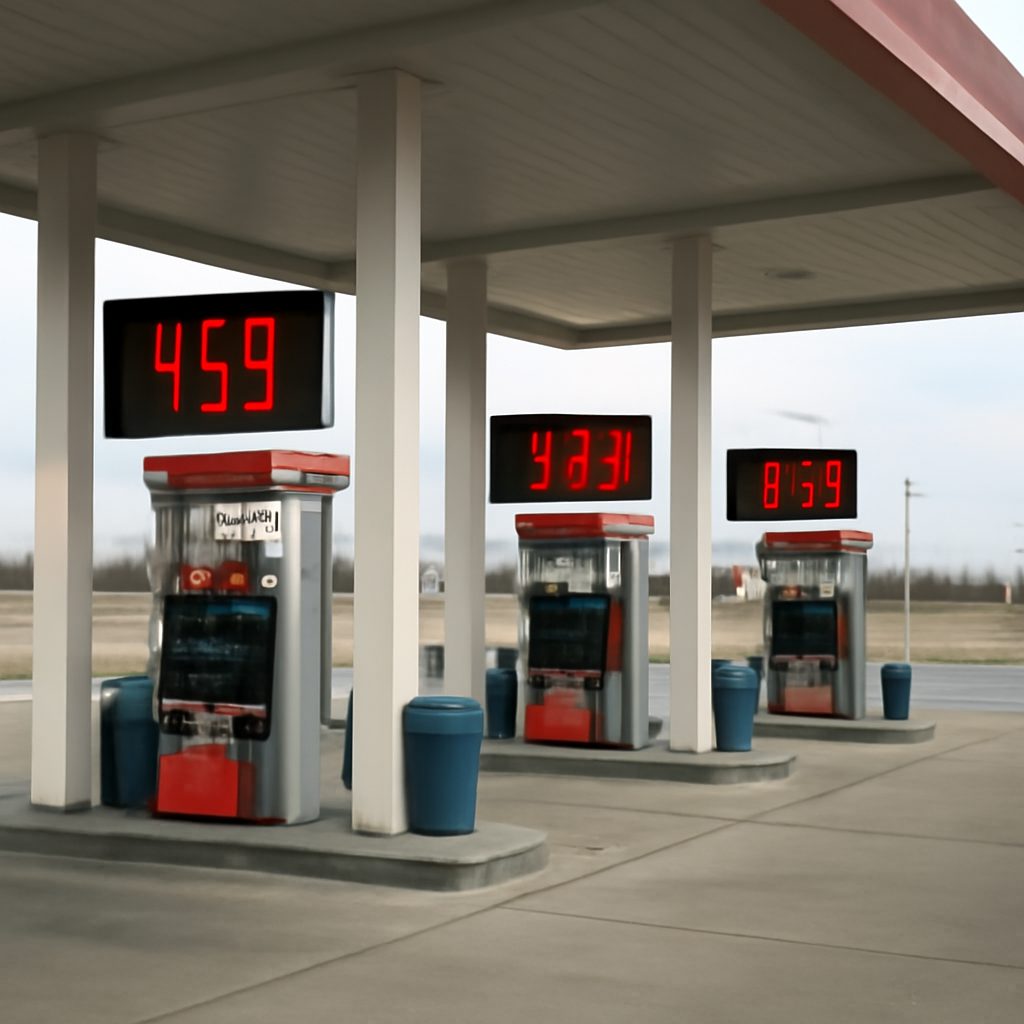
Gas prices are predicted to rise sharply this year, according to industry analysts. The anticipated increase could have significant economic implications, with many experts warning that the most dramatic changes are yet to come.
Fuel costs have been a subject of concern for both consumers and policymakers as global market dynamics and regional tensions continue to influence supply. The previous optimistic messaging from some governmental bodies is now being contrasted with these more cautious predictions.
Several factors contribute to the anticipated rise in gas prices. The fluctuating international oil market, geopolitical uncertainties, and shifts in supply chains are all playing roles in this complex scenario. Importantly, the effects of these price increases are likely to extend beyond consumer wallets, potentially influencing broader economic conditions.
The energy sector has been under scrutiny due to its direct impact on inflation and consumer spending. As gas prices climb, transportation costs increase, affecting everything from daily commuting to the delivery of goods. This ripple effect can lead to higher prices for consumer products, influencing overall economic stability.
As consumers brace for possible budget adjustments, policymakers are also under pressure to address the potential economic fallout. Discussions around alternative energy sources and incentives for cleaner technologies may gain momentum as part of longer-term strategies to stabilize the market.
Overall, while the situation is fluid, the projected rise in gas prices serves as a reminder of the interconnected nature of global economies and the challenges of maintaining economic equilibrium in volatile times.