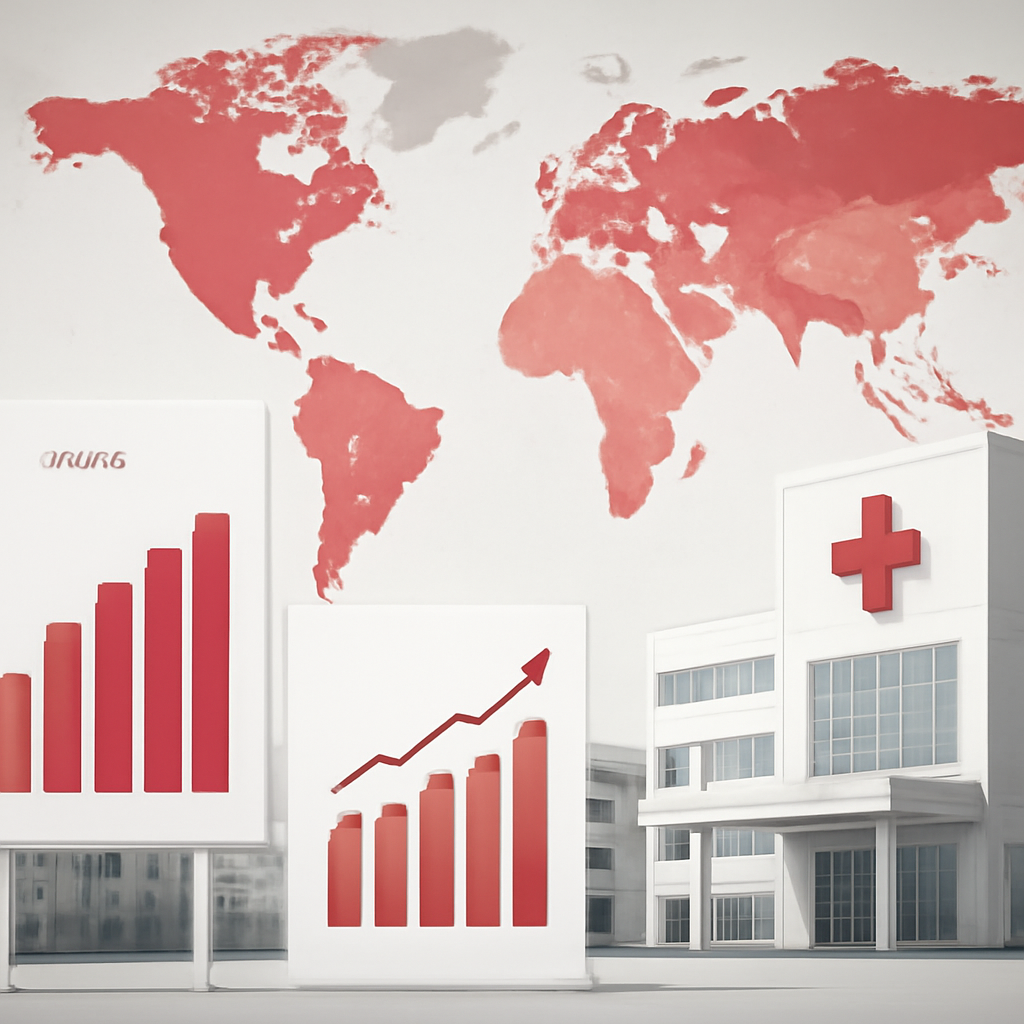
Global cancer rates are set to increase dramatically over the next few decades, according to a recent report. The World Health Organization has highlighted that despite advancements in cancer treatment, disparities in health care access are contributing to a surge in cases and fatalities worldwide.
The underlying reasons for this rise include uneven access to medical resources and treatments across different geographical regions. In many low and middle-income countries, limited access to early detection and quality health care services leads to later-stage diagnoses, which are harder and more expensive to treat effectively.
Developments in medical technology have improved survival rates in many developed nations by enhancing diagnostic methods and treatment options. However, these advancements have not been evenly distributed globally. This inequity in the health care system places a growing burden on populations that already face significant economic and social challenges.
Public health strategies are being called to prioritize the global dissemination of cancer treatment technologies and preventive measures. Increasing awareness and access to vaccinations, such as the HPV vaccine, could significantly reduce certain cancer rates, notably cervical cancer.
Researchers and policymakers emphasize the importance of international cooperation to tackle these disparities through education, investment in health infrastructure, and policy reforms aimed at providing more equitable access to care. Addressing these gaps is crucial to controlling the anticipated surge in cancer cases worldwide.
In conclusion, while the medical field is making strides in cancer research and treatment, the global community must work collaboratively to ensure these advancements reach every corner of the world. Without addressing the stark inequalities in health care, the burden of cancer will continue to grow, particularly in regions least equipped to handle it.