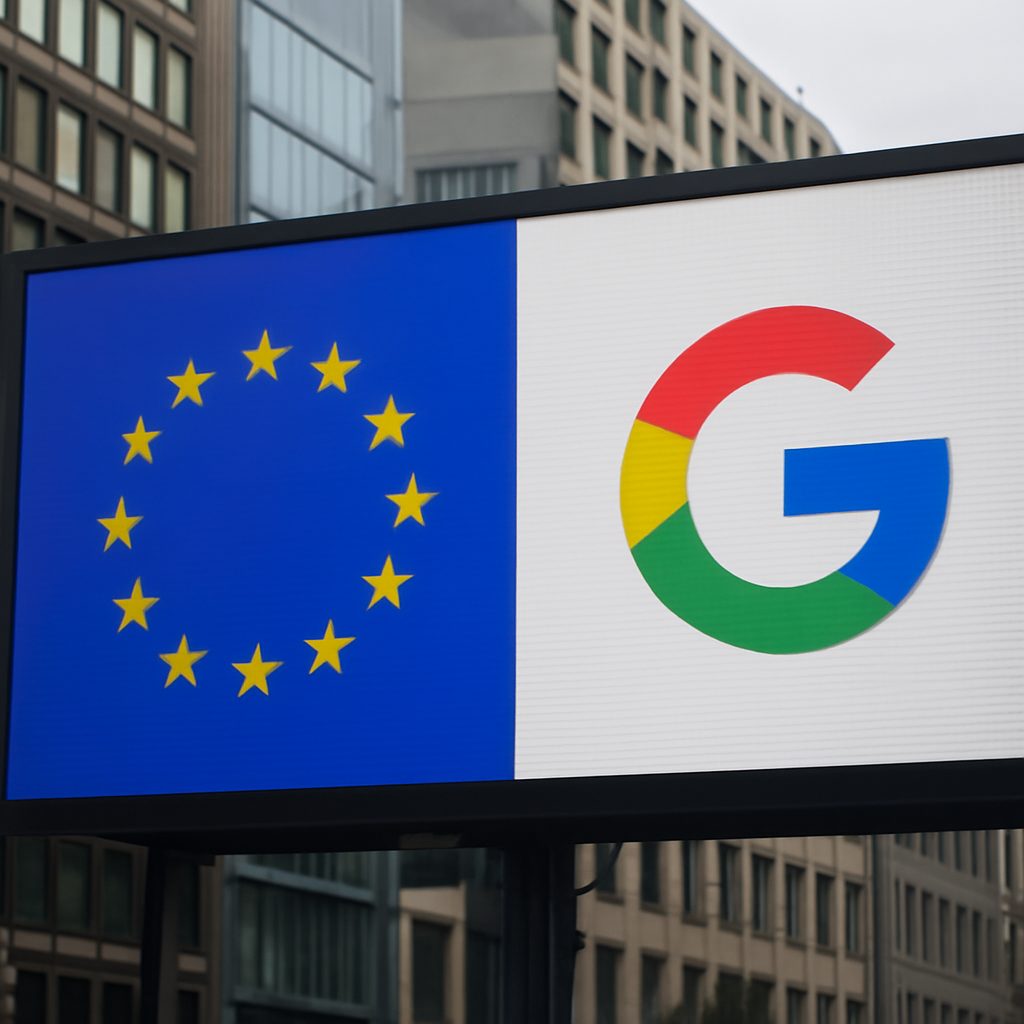
The European Union's recent decision to fine Google $1 billion has sparked significant tensions, with President Trump warning that the EU could face severe repercussions. The fine is a result of accusations that the tech giant has been unfairly favoring its own services within search results, a move the EU deems anti-competitive.
This development is part of a long-standing clash between the EU and major U.S. technology companies regarding regulatory compliance and market dominance. The $1 billion penalty reflects the EU's ongoing mission to regulate the influence of large tech companies within its digital marketplace. Google's response and potential changes to its search algorithm may significantly impact its service offerings in Europe.
Google's practices have been under scrutiny for years, as the EU continues to enforce strict antitrust rules to ensure fair competition. This penalty adds to the previous fines levied on the company, further complicating the relationship between the tech giant and European regulators. The implications of this decision may extend beyond financial repercussions, potentially influencing policy changes and the operations of other tech firms.
President Trump's vocal criticism of the EU's actions showcases the geopolitical complexities underlying technology regulation. The U.S. administration views such penalties as targeted actions against American companies, which might lead to diplomatic tensions. The global tech landscape is watching closely to see how this situation unfolds and influences future international tech regulations.
The ongoing dispute highlights the challenges faced by technology companies operating across different regulatory environments. As the EU remains committed to maintaining competitive fairness, companies like Google must navigate these complex landscapes to ensure compliance and market presence.
This situation underscores the fine line that tech companies walk in managing their global operations while adhering to diverse legal and regulatory expectations. The outcome of this dispute could set a precedent for future interactions between governments and tech giants.