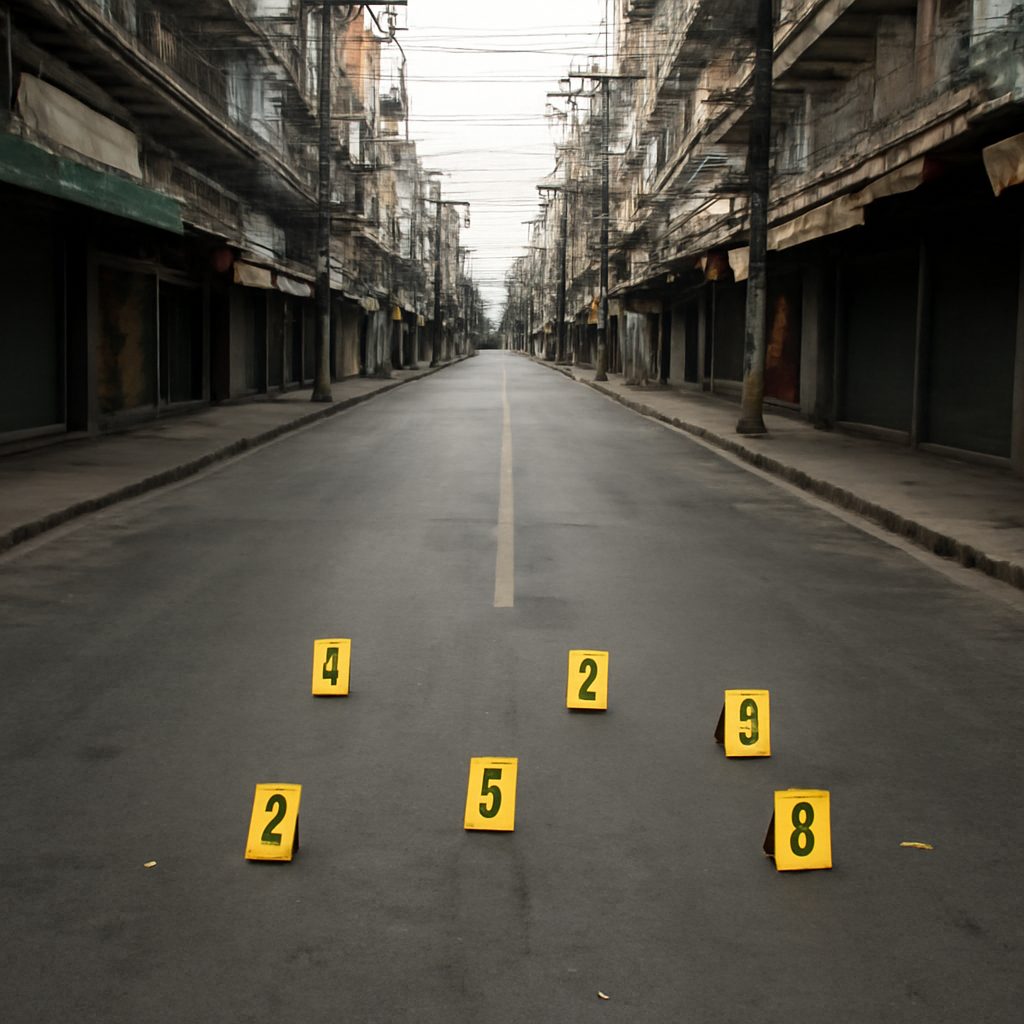
The recent tragic shooting near Bangkok, which left many families grieving, has brought renewed attention to gun ownership concerns in Thailand. With one of the highest rates of firearm possession in Asia, the country is now facing intense scrutiny over its gun control policies.
Thailand’s gun laws permit civilians to own firearms, but the process for obtaining a license involves background checks and justification for ownership. Despite these regulations, illegal firearms remain a significant issue, contributing to incidents like the recent tragedy outside Bangkok. This has sparked debates over the effectiveness of current laws and the potential need for reform.
The nation's high rate of gun ownership is a contentious topic. While many citizens argue that firearms are necessary for personal security, others call for stricter controls to prevent violent incidents. This dichotomy adds complexity to the ongoing dialogue surrounding gun laws in Thailand.
Historically, Thailand has struggled with balancing the right to bear arms with ensuring public safety. In response to recent events, some lawmakers are advocating for mandatory training programs and improved enforcement of existing laws to curtail the illegal arms market.
As the country grapples with the aftermath of the shooting, there is a renewed call for action from both politicians and citizens. The incident has sparked conversations about public safety and the measures needed to prevent future tragedies, ensuring that this issue remains a priority for national discourse.
Understanding and addressing these challenges is crucial as Thailand seeks to navigate the complexities of gun ownership and public safety, aiming to protect its citizens while respecting legal rights.