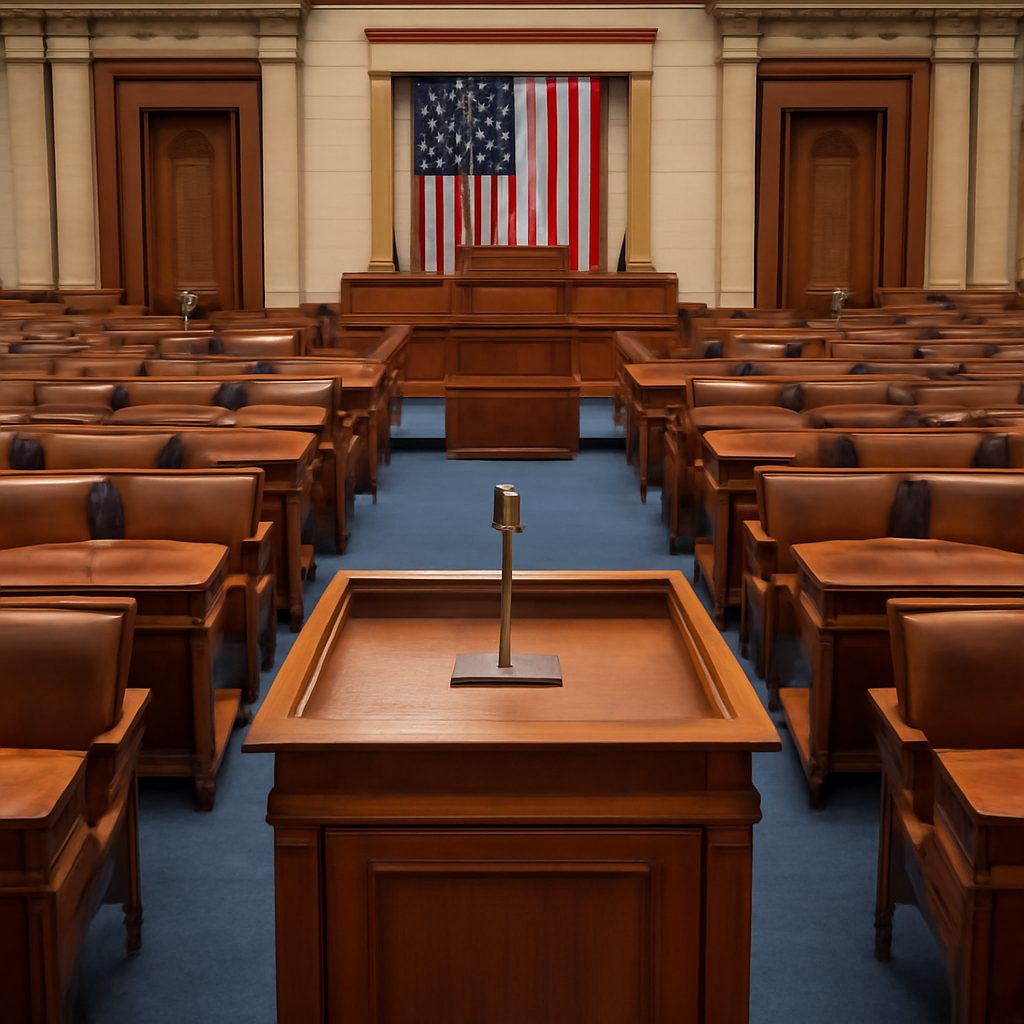
The House of Representatives has once again passed a resolution aiming to halt U.S. military action in Iran. This narrow vote of 214-208 marks a significant moment in American politics, highlighting divisions within the government over the handling of Iran. The resolution aims to assert congressional authority by requiring President Donald Trump to cease military operations against the country unless Congress grants explicit approval or the U.S. is under attack.
Some Republican members joined Democrats in this effort, demonstrating bipartisan concern over potential escalation in the region. As tensions between the United States and Iran continue to mount, this congressional move seeks to avoid unilateral military decisions and promote legislative oversight.
The resolution requires that any military engagement with Iran must be sanctioned by Congress, a stance rooted in constitutional mandates regarding war declarations. This development comes in the wake of escalating tensions, which have raised concerns about the potential for a broader conflict in the Middle East.
U.S.-Iran relations have been particularly fraught following recent confrontations, making the legislative push to curb military action a significant step in foreign policy. By asserting its authority, Congress aims to ensure that decisions of such magnitude undergo thorough evaluation and deliberation.
The passage of this resolution symbolizes a larger debate about the balance of power between the legislative and executive branches in foreign affairs. While it sends a message of caution regarding military engagements, its success depends largely on subsequent actions by the Senate and the administration's response.
As geopolitical dynamics evolve, the role of Congress in authorizing military action remains a critical point of contention, reminding policymakers of the importance of dialogue and diplomacy in international relations.