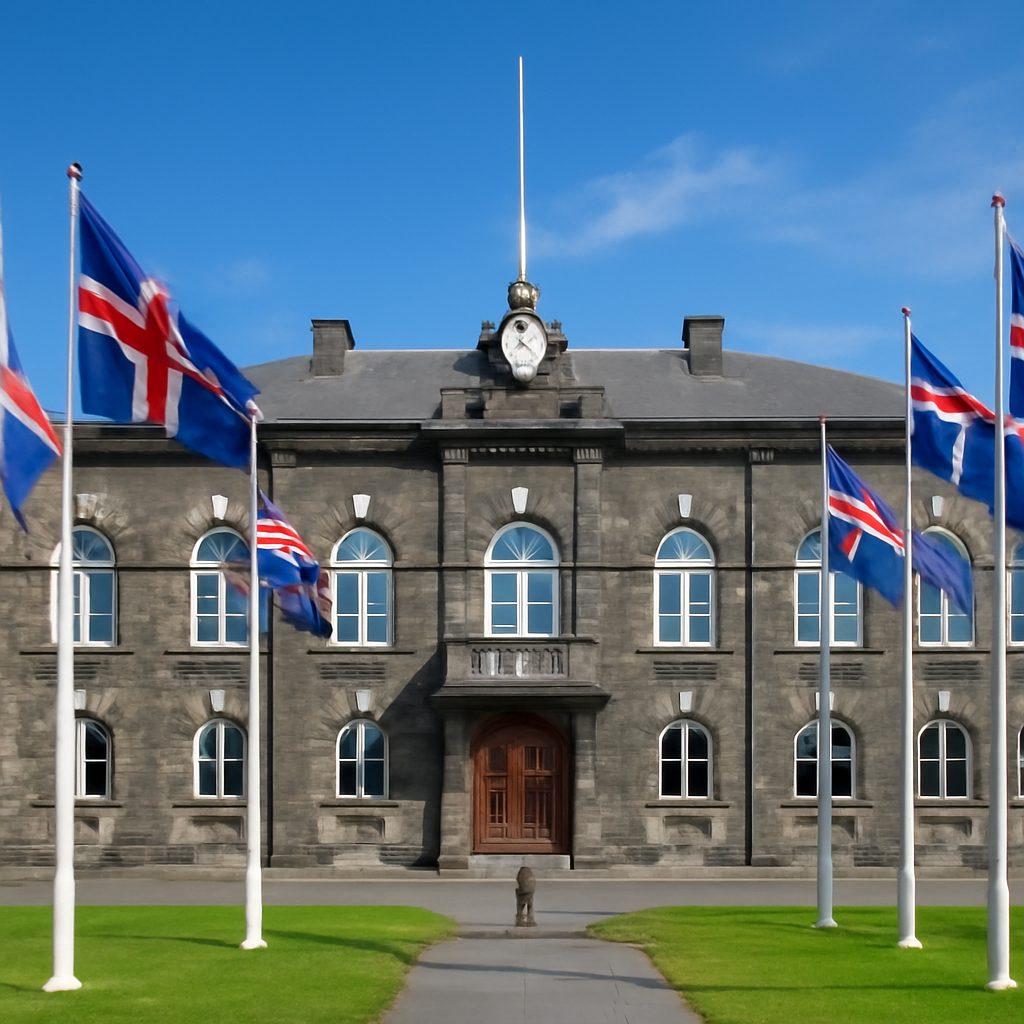
Iceland voters have decided against initiating European Union accession talks, with 52.8% voting to reject the plan in a recent referendum. This decision reflects a national divide on the issue, as 47.2% supported moving forward with discussions, according to RUV reports.
The referendum outcome underscores a longstanding debate within Iceland about the benefits and drawbacks of joining the EU. Proponents of EU membership argue that being part of the union could enhance economic stability and trade opportunities. However, those opposing highlight concerns about losing control over fisheries, a significant industry for Iceland, and other sovereignty issues.
Iceland first applied to join the EU in 2009, but interest has fluctuated over the years due to economic factors and political shifts. The current political climate and public sentiment seem to prefer maintaining independence from the union, an outlook that played a significant role in the referendum's outcome.
This decision comes at a time when other European countries are also assessing their relationships with the EU, making Iceland's choice particularly relevant. The narrow margin between the opposing sides suggests that discussions on EU relations are likely to continue, as both economic and political implications warrant ongoing national debate.
As Iceland navigates these decisions, the government and the public will need to weigh the potential impacts on various sectors, including trade and international relations, to determine the best path for the nation moving forward.