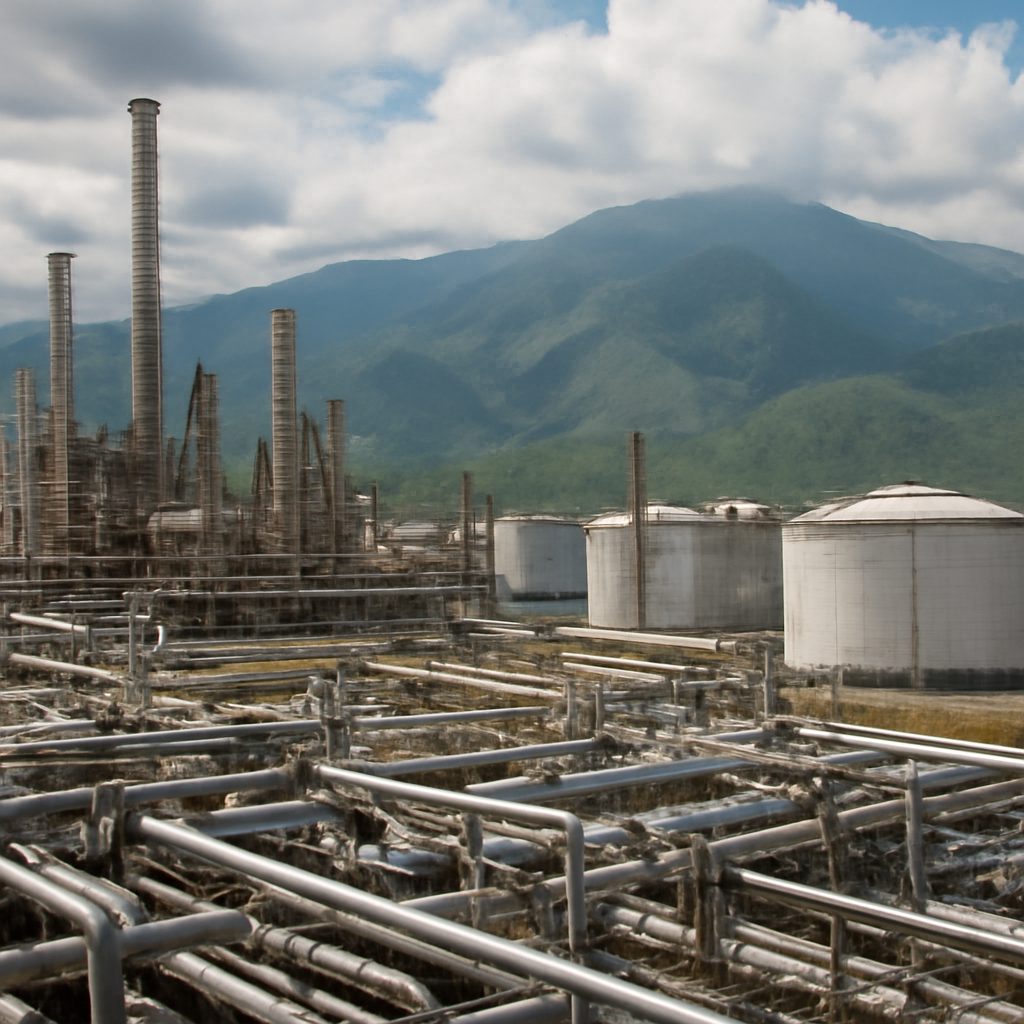
The recent U.S. Venezuela oil deal is unlikely to result in lower gas prices, according to energy industry analysts. Announced by the Trump administration, the deal grants the U.S. a majority stake in developing Venezuela's vast oil reserves.
However, experts warn that several factors influence the effectiveness of this agreement. These include political instability in Venezuela, logistical challenges in oil extraction, and global oil market fluctuations. Secondary keywords such as oil reserves, energy experts, and market impact are crucial to understanding the context of this deal.
The complex geopolitical landscape further complicates the situation. Sanctions and diplomatic tensions between Venezuela and other countries could impede the smooth implementation of the agreement. Moreover, the state of Venezuela's oil infrastructure may require significant investment and time before it can contribute to international supply effectively.
Even with U.S. involvement, global oil market dynamics play a substantial role in determining gas prices. Factors such as OPEC's decisions, changes in demand due to economic conditions, and alternative energy developments often overshadow individual agreements' impacts.
While the U.S. gains access to large oil reserves, the immediate effect on consumer gas prices remains doubtful. As production and distribution hurdles are addressed, and international relations evolve, the long-term implications of the deal will become clearer.
Understanding these complexities sheds light on the current skepticism surrounding the deal's immediate benefits to consumers. Energy strategy, economic factors, and geopolitical relations are all integral to the broader picture of how such deals play out in the global oil market.