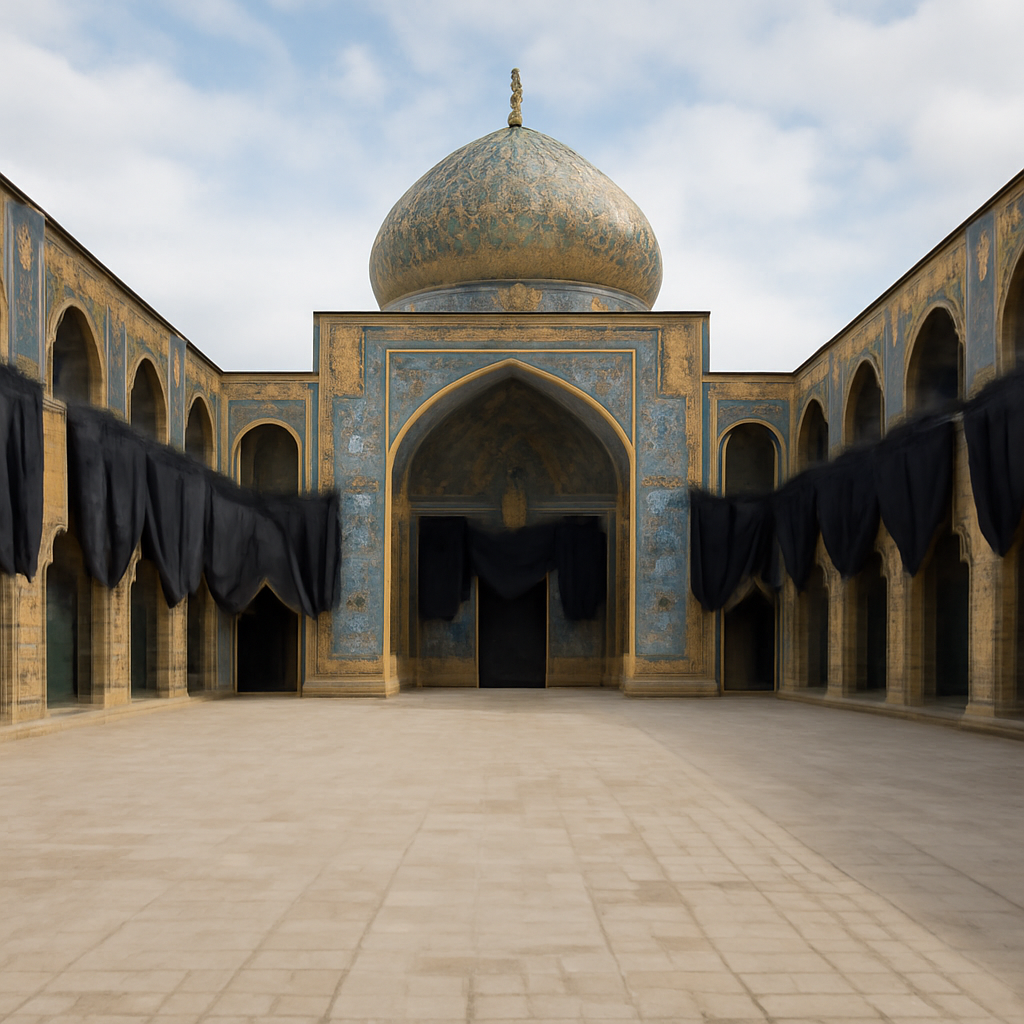
Iran has begun the funeral proceedings for its supreme leader, marking the start of a significant and solemn period in the nation’s history. As the dayslong ceremonies unfold, Iran has temporarily paused its diplomatic engagements with the United States. This decision reflects the importance of the moment for Iran's domestic and international stance.
The funeral will feature an array of public ceremonies, highlighting the cultural and political traditions that are essential to the Iranian identity. The passing of a supreme leader is not only a moment of national reflection but also a critical juncture for the country's future direction. Observers around the world are watching closely, eager to understand the implications for Iran’s political climate.
As Iran focuses inward, major decisions about its international relations and domestic policies may be on hold. The supreme leader holds a vital role in shaping the nation's strategies, and the transition period can naturally lead to uncertainties in both internal governance and external diplomacy.
The pause in diplomatic discussions with the United States comes at a time when negotiations had been particularly delicate. While both nations have been in talks over various geopolitical concerns, this pause underscores the complex interplay of mourning traditions and political strategy. Analysts suggest that the duration and nature of the funeral ceremonies may affect the timing and resumption of these crucial discussions.
As the world watches these events unfold, the focus remains on how this period of mourning will shape the future of Iran’s leadership. The ceremonies will not only celebrate a legacy but will also set the tone for the next chapter of the nation’s history. These proceedings could have ramifications far beyond Iran's borders, influencing regional dynamics and international relations across the Middle East and beyond.