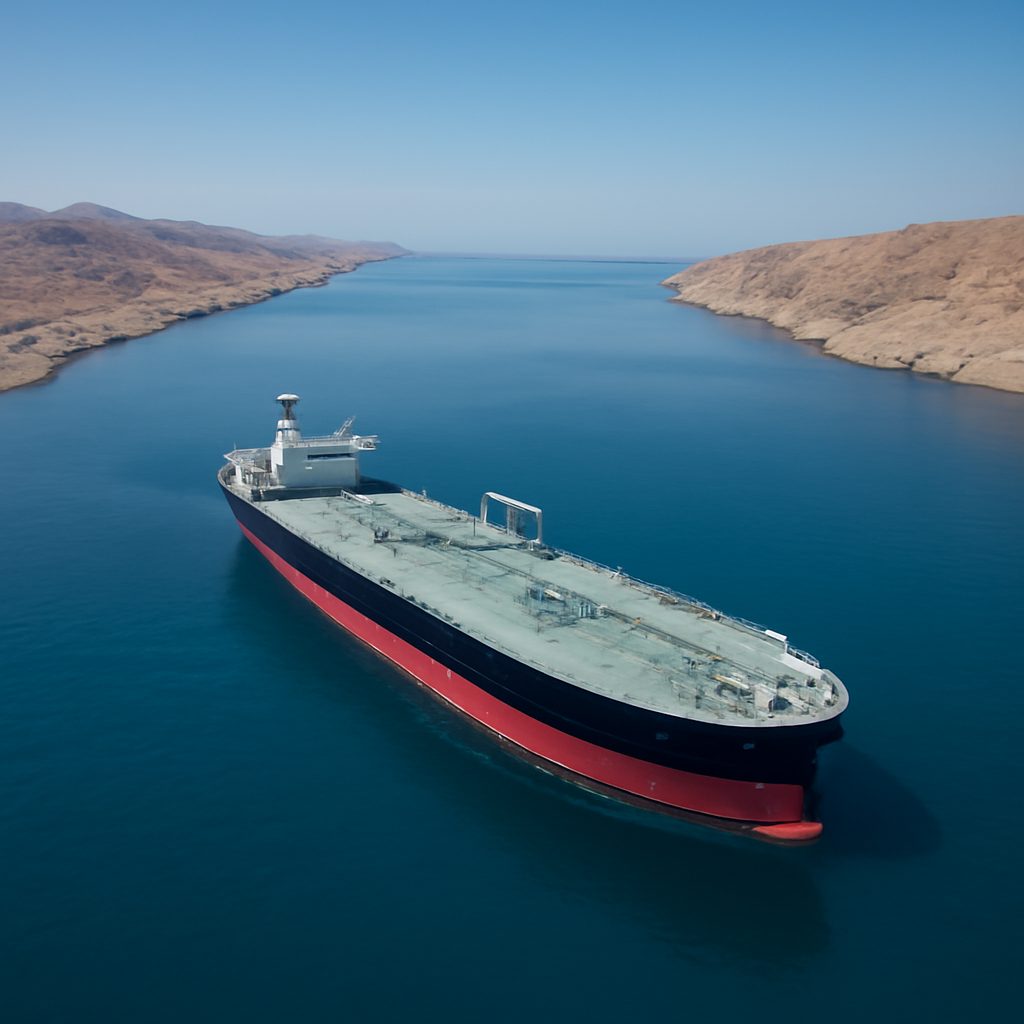
Iran's recent actions in the Strait of Hormuz, where it reportedly targeted United Arab Emirates (UAE) tankers, have escalated tensions in this crucial maritime corridor. The UAE has strongly condemned the attacks, describing them as "unprovoked," and sparking global concern over continued disruptions in a region critical to the world’s oil supply.
The Strait of Hormuz is one of the most strategic waterways globally, acting as a transit route for approximately a fifth of the world’s petroleum. Any conflict or threat in these waters can significantly impact global oil prices and supply chains. The UAE, along with other countries, relies heavily on the secure passage of its tankers through this narrow channel, thus heightening the political stakes of any conflict there.
The United States has also been vocal on the issue. President Trump criticized Iran’s actions, labeling the nation as “all talk and no action” and referring to it as the “bully of the Middle East no longer.” This rhetoric underscores the longstanding tensions between Iran and the U.S., which have been heightened by past maritime confrontations and the broader geopolitical landscape of the Middle East.
In response to these events, international maritime security measures may see increased enforcement. Countries reliant on oil imports and exports through the Strait of Hormuz will be closely monitoring the situation to safeguard their economic interests.
Although the situation remains fluid, the incident underscores the volatile nature of the Strait of Hormuz and its significance in international trade and security. Future diplomatic efforts will likely focus on reducing tensions and ensuring the safety of passage in these critical waters.