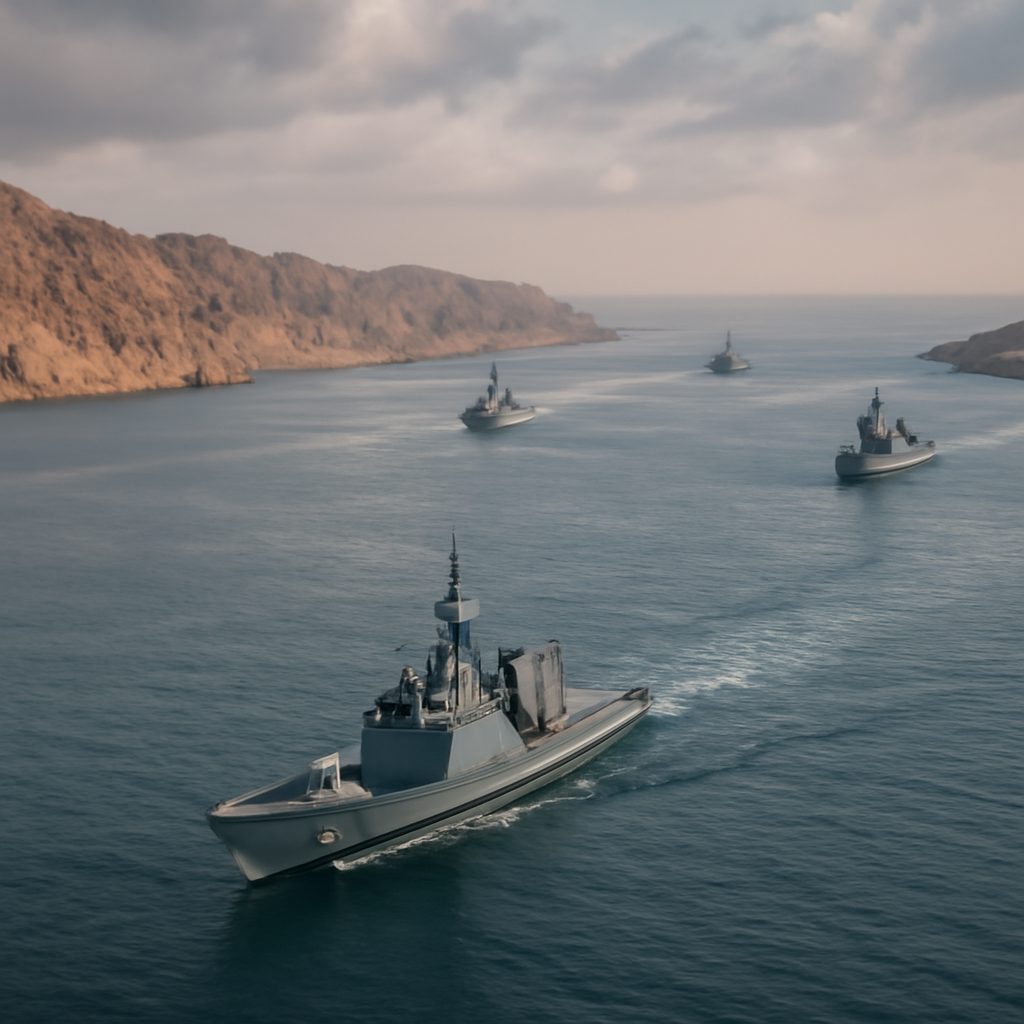
Amid ongoing discussions between the United States and Iran, both nations are focusing on the potential reopening of the critical Strait of Hormuz. This strategic waterway is crucial for global oil transportation. However, the Trump administration has hinted at the possibility of reviving previous military actions if these negotiations fail, amidst signs of a continued military buildup.
The Strait of Hormuz, a vital maritime passage connecting the Persian Gulf with the Arabian Sea, sees a significant portion of the world’s oil shipments. Any disruption in this area could have far-reaching consequences on global oil prices and energy security, highlighting the importance of current diplomatic efforts aimed at avoiding conflict.
Talks are reportedly aimed at maintaining peace and preventing the escalation of tensions, with both countries seemingly committed to finding a diplomatic solution. However, the U.S. has made it clear that any stalling in these negotiations could lead to a resumption of previous military strategies to protect its interests in the region.
The Trump administration's stance underscores the complexity of Iran-U.S. relations and the precarious balance of power in the Middle East. While the immediate focus is on diplomatic engagement, the underlying military readiness suggests that both countries remain prepared for various outcomes.
Diplomats and experts alike are closely monitoring the situation, as the outcome of these talks could significantly influence the geopolitical landscape. As the world watches, the critical nature of keeping the Strait of Hormuz open and safe for international passage remains a top priority. Both diplomatic progress and military preparedness will shape the future of this high-stakes region.