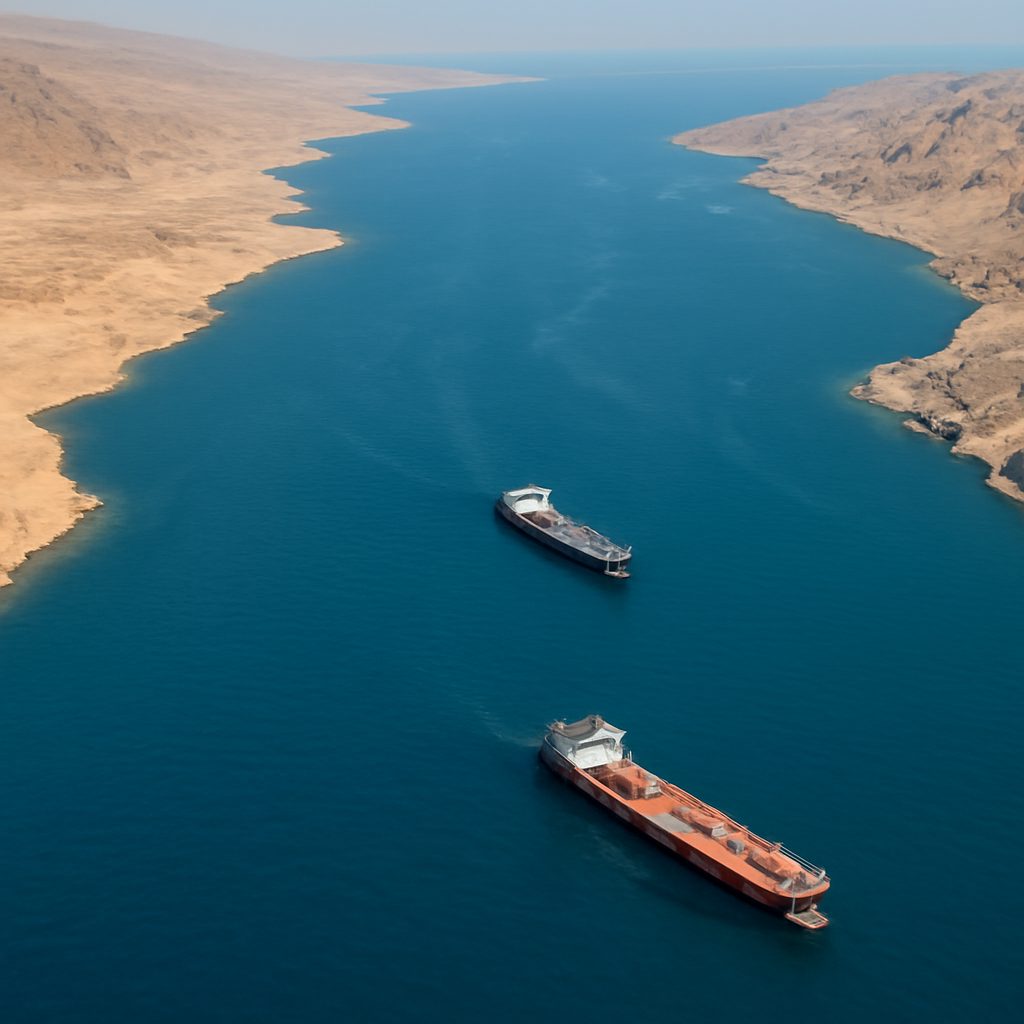
Iran's strategy to gain control over the Strait of Hormuz is drawing significant attention due to its potential economic and diplomatic impacts. The Strait of Hormuz is a crucial maritime passage, with approximately 20% of the world's petroleum passing through it. This narrow waterway is vital for the global oil supply, making Iran’s influence over it a geopolitical focal point.
Tehran's approach to asserting control over the Strait has raised concerns about the possible repercussions on its economy and international relations. The hard-line stance of the Iranian government might lead to increased tensions with neighboring countries, potentially disrupting alliances and affecting diplomatic ties.
Historically, the Strait of Hormuz has been a contentious area, often caught in regional disputes due to its strategic importance. The waterway serves as a critical chokepoint that connects the oil-rich regions of the Persian Gulf with the global market. Iran's efforts to exert dominance here could trigger wider geopolitical tensions, impacting global energy markets and international trade routes.
In recent years, technological advancements have also played a role in the Strait's strategic planning. Enhanced surveillance systems and naval capabilities allow for greater control and monitoring of the area, although these developments may escalate regional security concerns.
While Iran aims to strengthen its position, experts warn that pursuing such control could strain the nation's already fragile economy. International sanctions and regional instability pose additional challenges, making Tehran's reliance on the Strait a high-stakes gamble with uncertain outcomes.
In conclusion, Iran's ambitions in the Strait of Hormuz continue to present a complex blend of opportunity and risk. As tensions hover, the global community watches closely, aware that stability in this critical maritime corridor affects both regional and international interests.