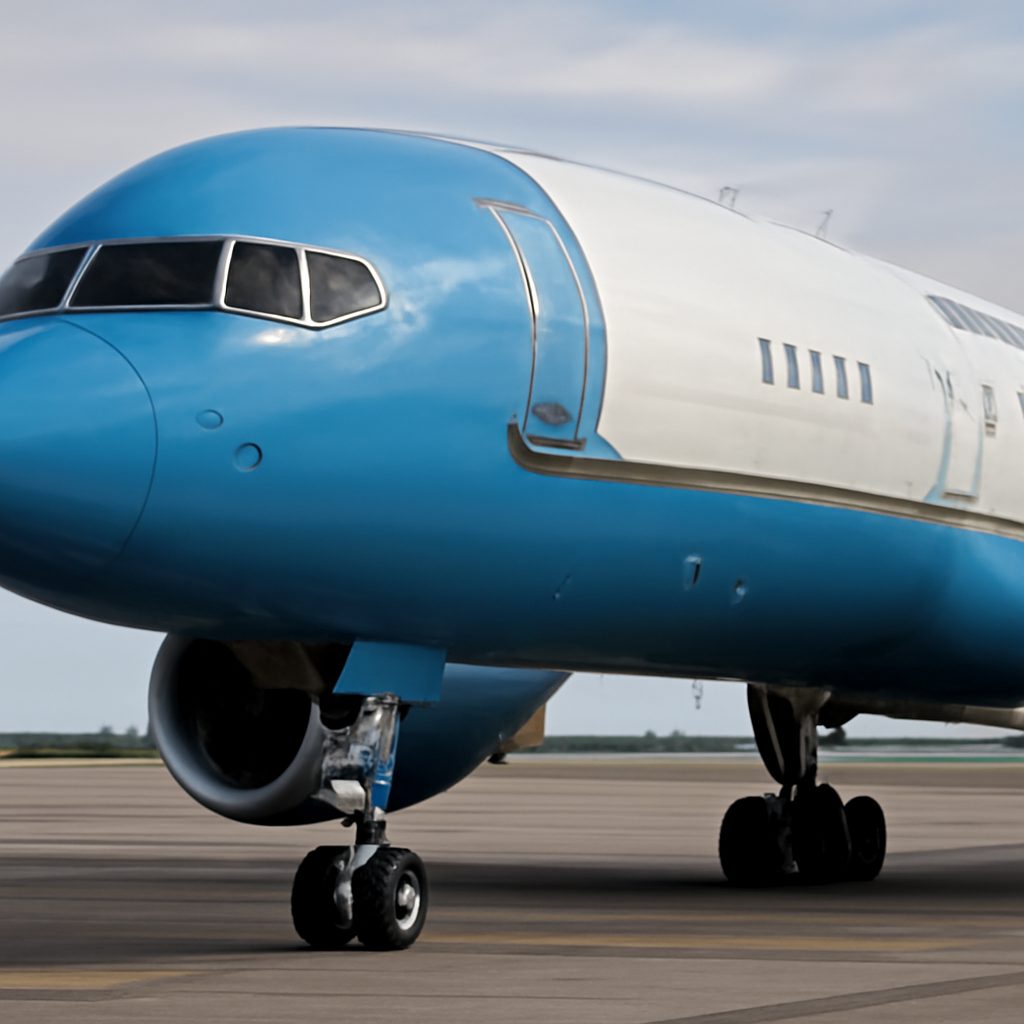
The Justice Department has issued subpoenas to New York Times journalists over their reporting on security concerns surrounding the new Air Force One. These concerns stem from reports that the aircraft, a Qatari-donated plane for President Donald Trump, may have deficient security features. This aggressive move by the Justice Department has sparked discussions about press freedom and governmental transparency.
Subpoenaing journalists for their work is a rare but significant action, often raising alarms about its potential impact on the freedom of the press. The reports in question highlighted potential vulnerabilities in the security setup of the new Air Force One, an issue of national security interest. The New York Times’ investigative coverage aimed to shed light on these concerns.
The Air Force One aircraft is a symbol of American presidency and technological prowess, renowned for its advanced security and communication systems. Reports suggesting deficiencies in these systems can attract considerable public and governmental attention. The decision to subpoena journalists in this context underscores the tension that can occur between national security interests and the principles of a free press.
Experts note that actions like these could lead to increased scrutiny over how security-related information is handled and reported by the media. Ensuring that journalists can investigate and report on such matters without fear of retribution is essential in a democracy, allowing the public to be informed about the actions and capabilities of their leaders.
This development invites a broader conversation about the balance between safeguarding sensitive information and protecting the right to investigative journalism. As the situation unfolds, observers are keenly watching the potential implications for press freedom in the United States.