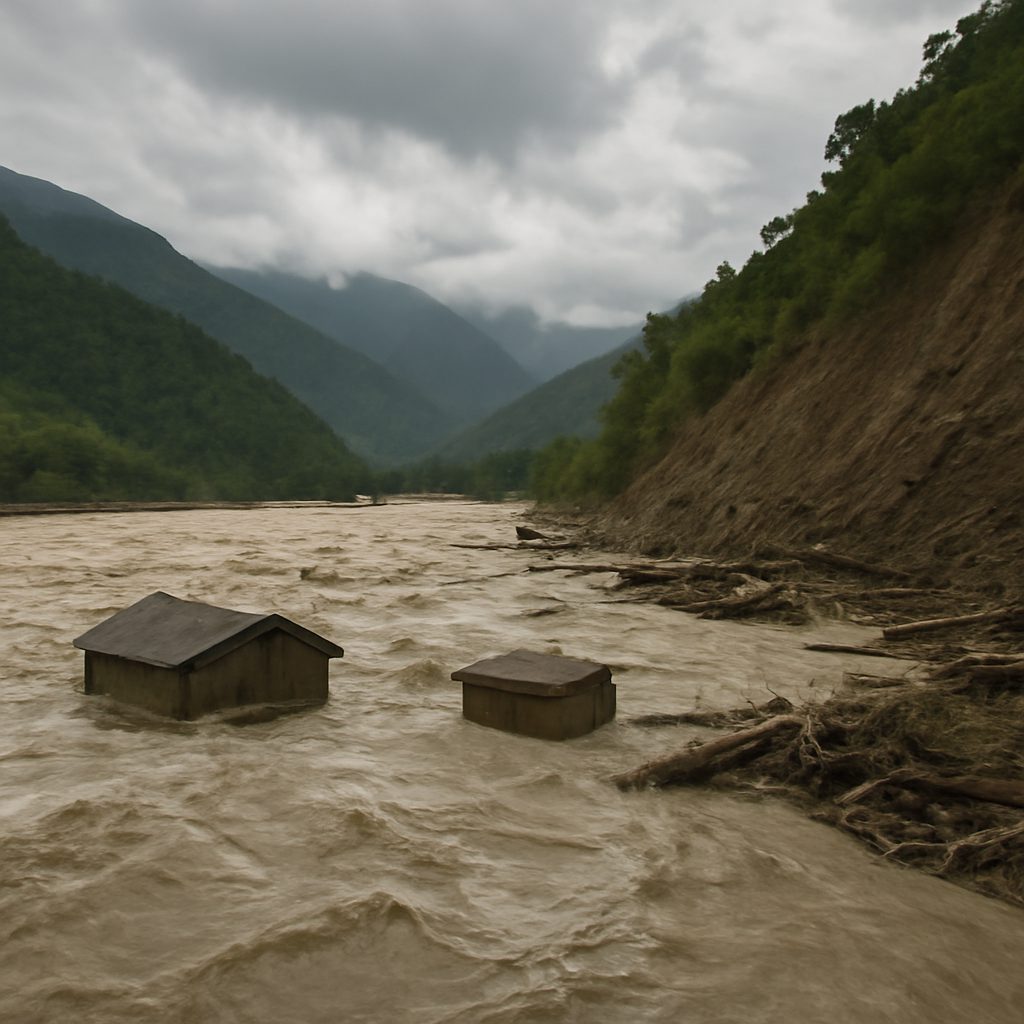
The Nepal-China flooding situation has intensified as rescue efforts resume following the sudden formation of a lake that poses a new flood threat. This emerging natural barrier further endangers areas already affected by severe weather disruptions.
The crisis has left over 1,300 individuals unaccounted for, including numerous Americans and other foreign nationals. The rapid changes in the region's landscape, marked by heavy rainfall and landslides, exacerbate the challenges faced by rescue teams on the ground. These natural occurrences are common in this part of the Himalayas, making rescue operations particularly demanding.
The newly formed lake's potential to cause additional flooding has created urgency for recovery teams. Emergency managers are keenly monitoring the development to deploy resources effectively, aiming to prevent further devastation in vulnerable areas. Flooding and landslides are frequent in this region during the monsoon season, often resulting in loss of life and property.
International assistance has been requested to bolster local efforts. The complex terrain and volatile weather patterns necessitate specialized equipment and expertise. Coordinated efforts from multiple agencies are crucial to ensure aid reaches those in need swiftly.
Rescue operations in such challenging conditions highlight the critical need for effective disaster preparedness and management strategies in regions prone to natural disasters. Continued updates will inform global audiences as the situation evolves.
The story underscores the impact of natural phenomena on human communities and the essential nature of rapid response measures to mitigate such threats.