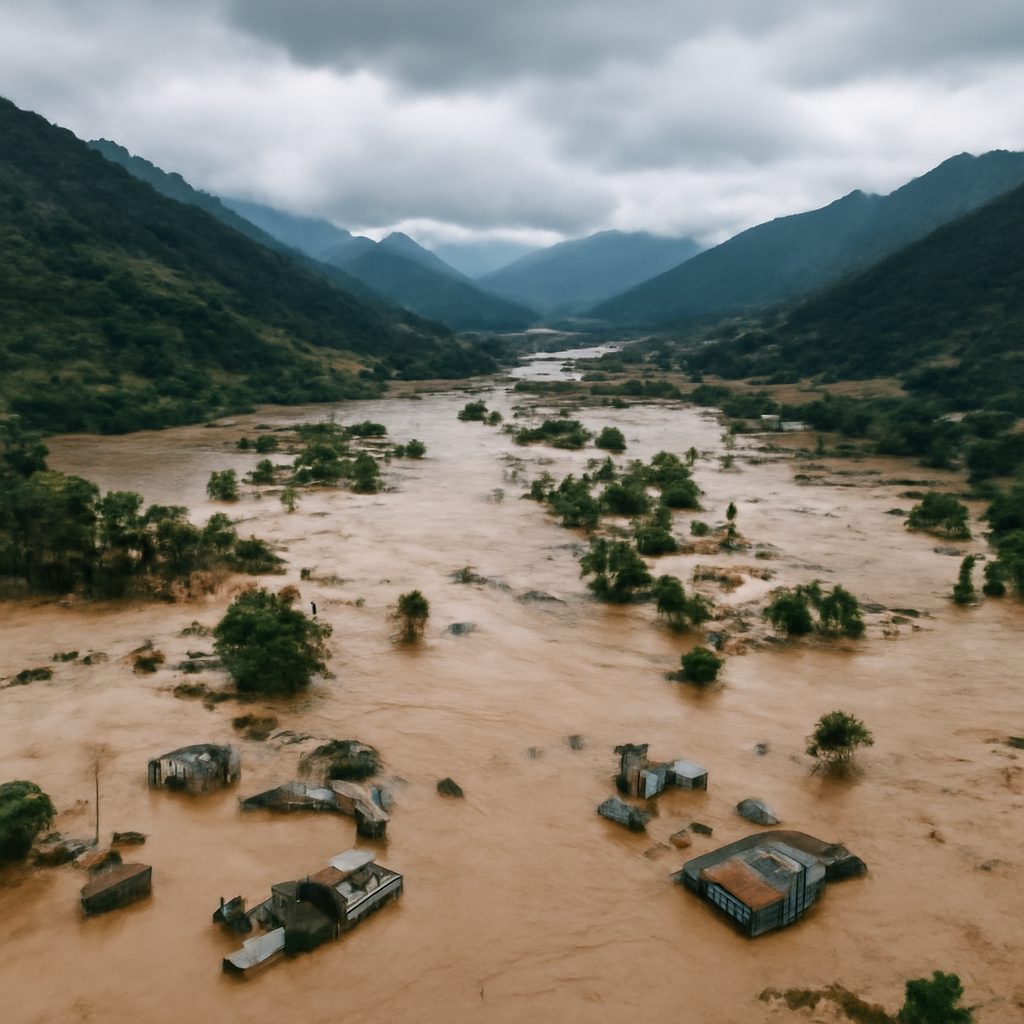
The devastating impact of Nepal floods has led to a reported death toll exceeding 700, with rescue efforts described as "extremely difficult" due to relentless rains and challenging terrain. Ongoing operations continue for a fifth day as authorities in both Nepal and China strive to manage the crisis and confirm additional casualties.
The flooding, triggered by heavy monsoon rains, has severely impacted many regions of Nepal. The rugged mountainous landscape complicates logistics, making it harder for rescue teams to reach those in need. This year's monsoon season has been particularly severe, causing widespread destruction across several communities.
Governmental and non-governmental organizations have mobilized to deliver aid, but continuous rain has hampered efforts. The primary focus remains on rescuing stranded individuals and providing essential supplies such as food, clean water, and medical assistance to affected areas. Helicopters and other aerial means are being employed, yet weather conditions pose significant challenges to their effectiveness.
China has also been impacted, with border regions experiencing similar weather conditions and fatalities reported. Collaborative efforts between Nepal and China aim to enhance the effectiveness of relief operations. Both nations are working to maintain open communication lines and efficiently deploy resources where most needed.
Given the severity of the situation, international aid may be required to support local initiatives. Humanitarian organizations are preparing to step in, and donations are being sought to bolster relief measures. The devastation underscores the need for improved disaster management and infrastructure to better withstand future natural calamities.
These floods highlight the broader challenges of climate change and the increasing frequency of extreme weather events. As communities attempt to recover, lessons learned from this disaster could inform future preparedness strategies, potentially saving lives and mitigating damage in years to come.