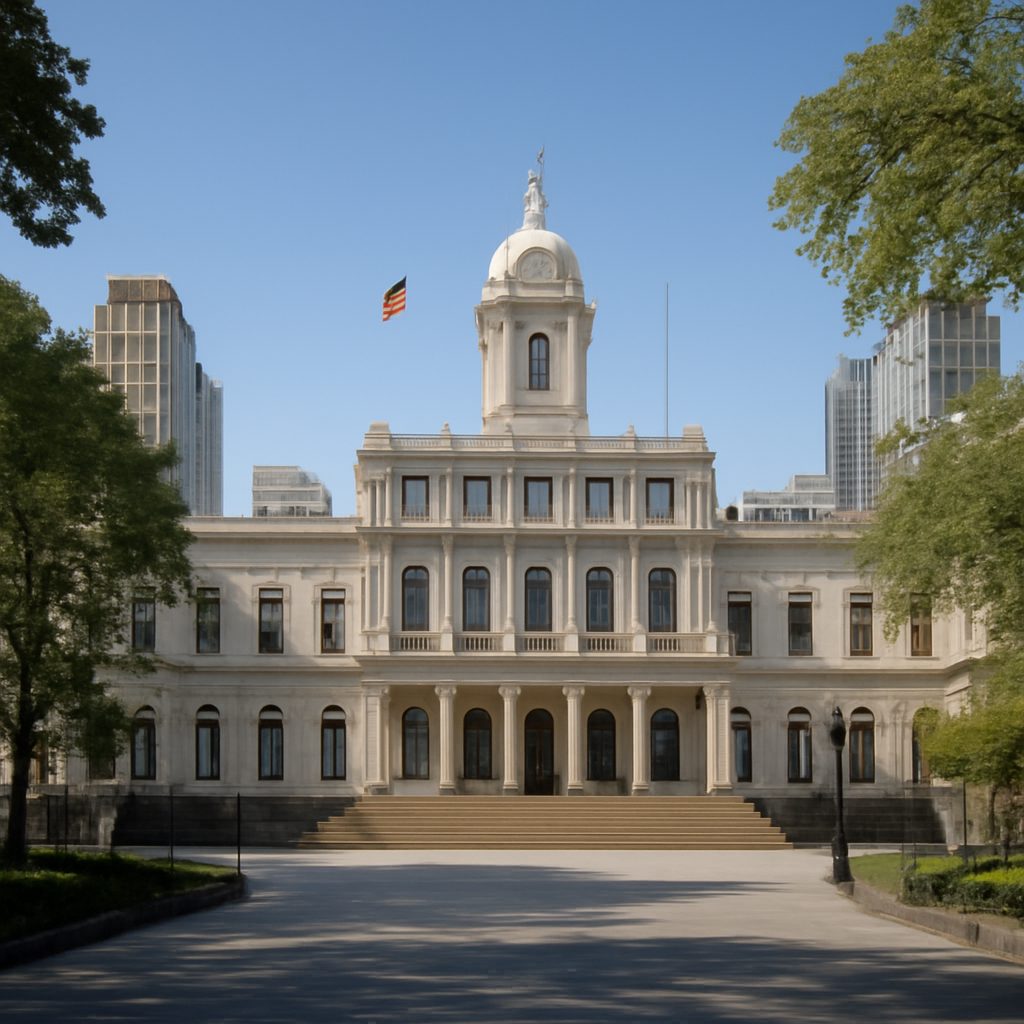
Israeli Prime Minister Benjamin Netanyahu has accused New York City Mayor Mamdani of "fomenting hate" following a recent controversy over a potential arrest. The issue arose from Mamdani's comments suggesting the arrest of Netanyahu in relation to an International Criminal Court (ICC) warrant.
The dispute traces back to Mamdani’s earlier remarks, where he implied the possibility of arresting Netanyahu while he was in New York. These comments were linked to an ICC warrant, which allegedly targeted Netanyahu. However, Mayor Mamdani later acknowledged that he did not possess the legal authority to enforce such a measure within the city, retracting his threat.
This incident has sparked discussions around the ICC's reach and its implications for international leaders visiting the United States. While the ICC aims to hold individuals accountable for international crimes, its enforcement relies on member nations. The U.S. is not a member of the ICC, which adds complexity to how such warrants could be actioned on American soil.
The rhetoric between Netanyahu and Mamdani highlights ongoing tensions over international legal actions and their real-world influence. Netanyahu's reaction underscores his concern about potential political and diplomatic repercussions stemming from international legal bodies.
The situation emphasizes the broader debate regarding the role of the ICC and how cities and states engage with international legal entities. As diplomatic dialogues continue, the incident between Netanyahu and Mamdani remains a focal point for discussions about jurisdiction, legal authority, and international law enforcement.
Netanyahu's visit to New York, part of a broader itinerary of meetings and engagements, remains unaffected despite the controversy. The diplomatic visit underscores the complex interplay between international law and local governance, particularly in global cities like New York.