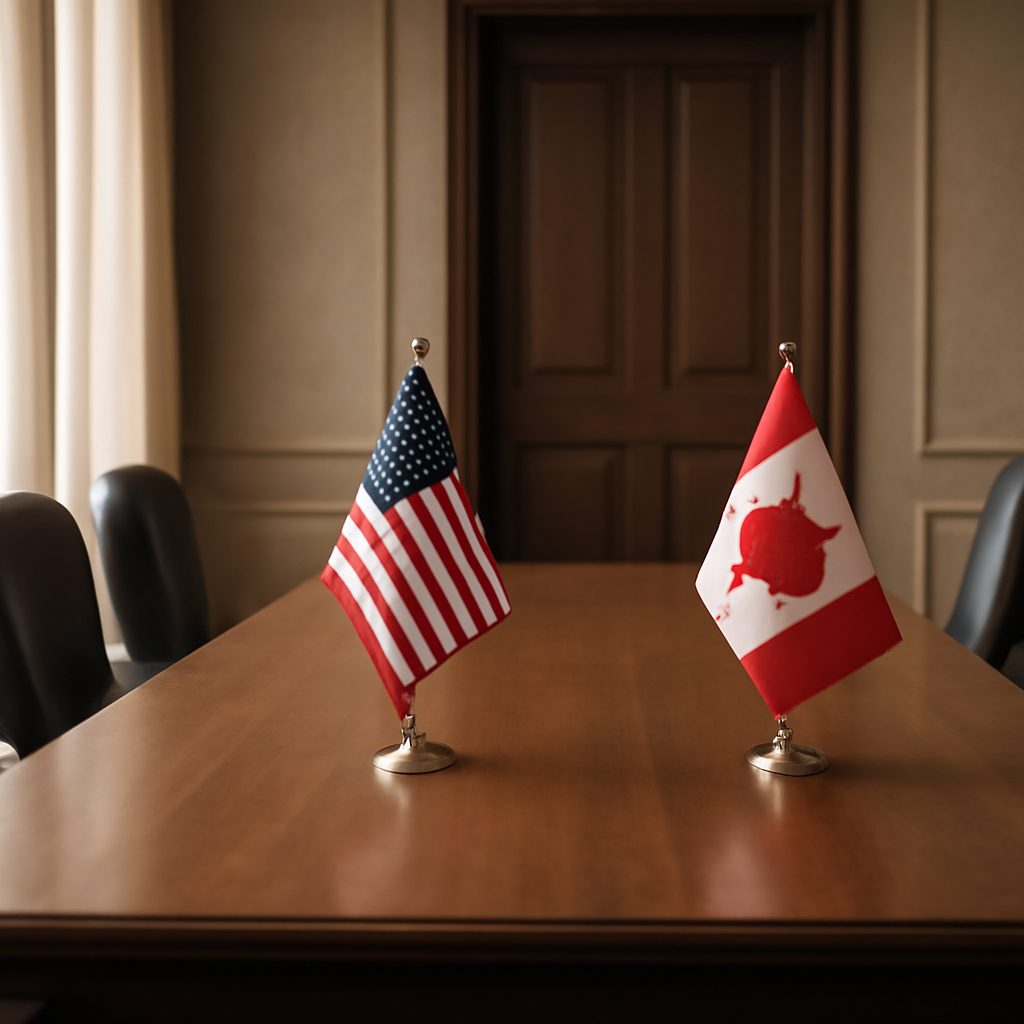
Mike Pence has voiced concerns over escalating trade tensions between the U.S. and Canada, suggesting such disputes could impede economic recovery. He emphasized that the current economic environment requires caution to prevent heightened affordability concerns, especially as the nation seeks stability post-pandemic.
The former vice president made these remarks in an interview with CNN, highlighting that a trade war with Canada is ill-timed as the U.S. economy continues its efforts to regain momentum. Given the interconnected nature of the U.S. and Canadian economies—strongly linked through the United States-Mexico-Canada Agreement (USMCA)—any disruptions could have significant implications for businesses and consumers on both sides of the border.
Trade relations between these neighboring countries have historically been robust, but current disagreements might lead to increased tariffs or restrictions, which could ultimately burden consumers with higher prices. Such a scenario risks reversing progress made in achieving economic stability and could affect industries that are heavily reliant on cross-border trade.
Experts often cite the importance of maintaining smooth international trade partnerships during economic recoveries, as protectionist measures can lead to retaliatory actions and increased costs for essential goods. The ripple effects could touch various sectors, including agriculture, automotive, and technology, emphasizing the need for diplomatic resolutions to ongoing disputes.
The potential economic impact underscores the importance of proactive dialogue between U.S. and Canadian leaders to address and resolve trade disagreements. As Pence suggests, prioritizing economic policies that foster growth without additional burdens is essential for ensuring long-term economic health.
Navigating these tensions carefully will be crucial for both countries to minimize potential disruptions and build a sustainable path forward. Such actions are critical not only for immediate relief but also for securing a stable economic future in an increasingly globalized world.