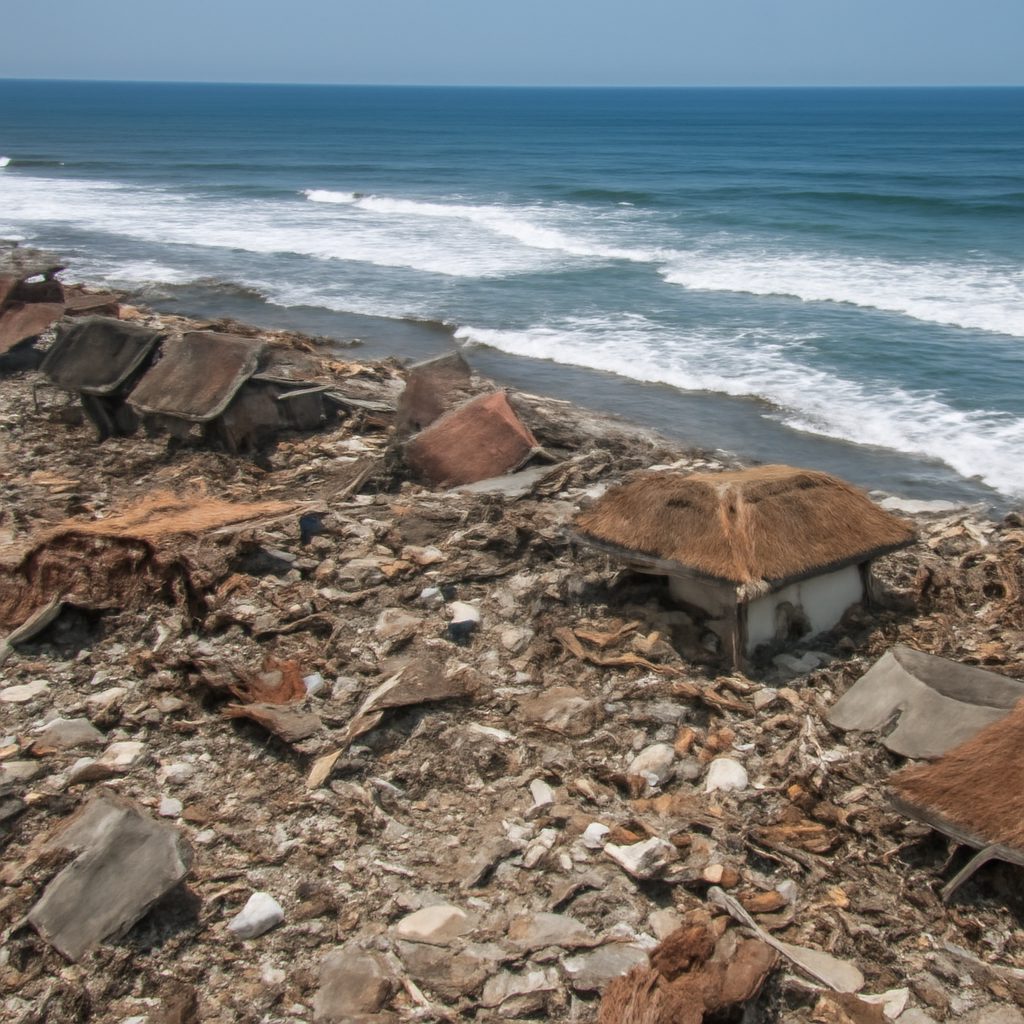
A powerful magnitude 7.7 earthquake struck off the coast of Indonesia early Saturday, leading to the tragic deaths of at least 38 people. The seismic event caused widespread panic and building collapses in an area that frequently experiences such natural disasters.
Indonesia, located along the Pacific "Ring of Fire," is no stranger to seismic activity. This occurrence underscores the region’s vulnerability to earthquakes and tsunamis. In recent years, similar events have demonstrated the destructive potential of underwater quakes, prompting ongoing discussions about preparedness and response strategies.
The earthquake's epicenter was located offshore, which minimized the risk of a deadly tsunami but did not prevent significant on-land damage. Rescue operations are underway as emergency responders work to reach affected areas and assist those in need. The challenge remains formidable due to infrastructure damage and disrupted communication lines.
This seismic event highlights the importance of robust disaster preparedness and the need for resilient infrastructure in quake-prone areas. Both governmental bodies and local communities are striving to improve their response mechanisms to mitigate the impacts of future earthquakes.
As rescue and recovery efforts continue, regions affected by Saturday's quake are focused on healing and rebuilding. Authorities emphasize that residents should remain vigilant as aftershocks could follow. The situation remains dynamic, with further assessments needed to fully understand the disaster's impact.
In conclusion, while Indonesia's geographical location makes it susceptible to such events, ongoing efforts in emergency preparedness and structural resilience continue to play a crucial role in minimizing casualties and damage in the face of natural disasters.