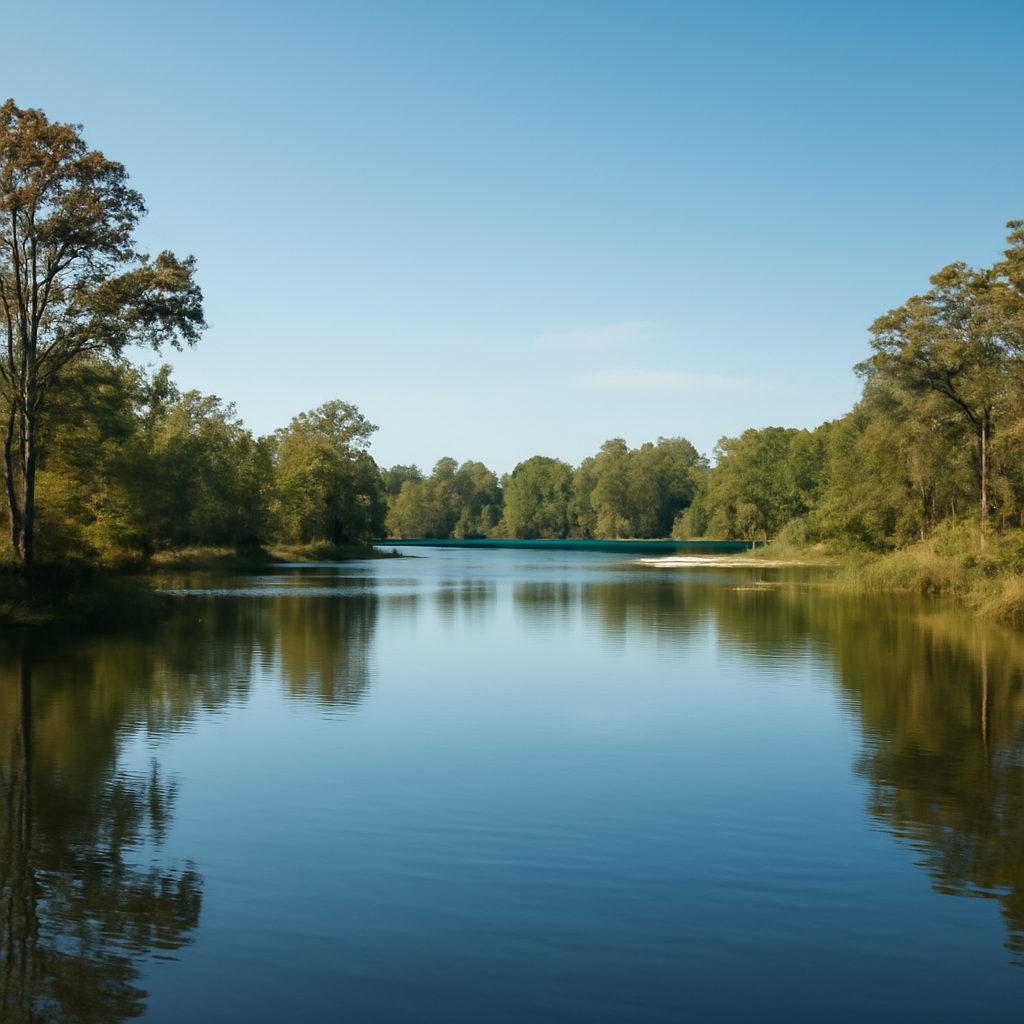
An 8-year-old child from Louisiana has tragically passed away after contracting a rare brain-eating amoeba, Naegleria fowleri. Authorities believe the child encountered the amoeba while swimming in a local lake. This microscopic organism thrives in warm freshwater environments, particularly during the hotter months.
Naegleria fowleri infections, though extremely rare, are often fatal. The amoeba typically enters the body through the nose and travels to the brain, where it causes primary amoebic meningoencephalitis (PAM). The infection is notoriously difficult to detect early, as initial symptoms resemble those of bacterial meningitis, such as headache, fever, and nausea.
Health officials in Louisiana are urging the public to exercise caution when swimming in freshwater sources, particularly during the summer. It's recommended to avoid activities that can force water up the nose, such as diving or jumping into bodies of water. Keeping the head above water and using nose clips are additional safety measures.
The Centers for Disease Control and Prevention (CDC) have noted that cases remain exceedingly rare, with only a few cases reported annually in the United States. Despite this, the recent incident has heightened awareness about the potential risks of swimming in warm freshwater. Officials emphasize the importance of public health education to minimize future occurrences.
Communities located near water bodies that may host the amoeba are being advised to monitor water conditions and consider safety guidelines. Understanding the environmental conditions in which Naegleria fowleri thrives can help in both prevention and early detection strategies.
The recent case highlights the critical need for awareness and precautionary measures when engaging in water activities. While the chances of contracting the infection are low, the consequences can be severe, urging a balanced approach to enjoying natural water bodies safely.