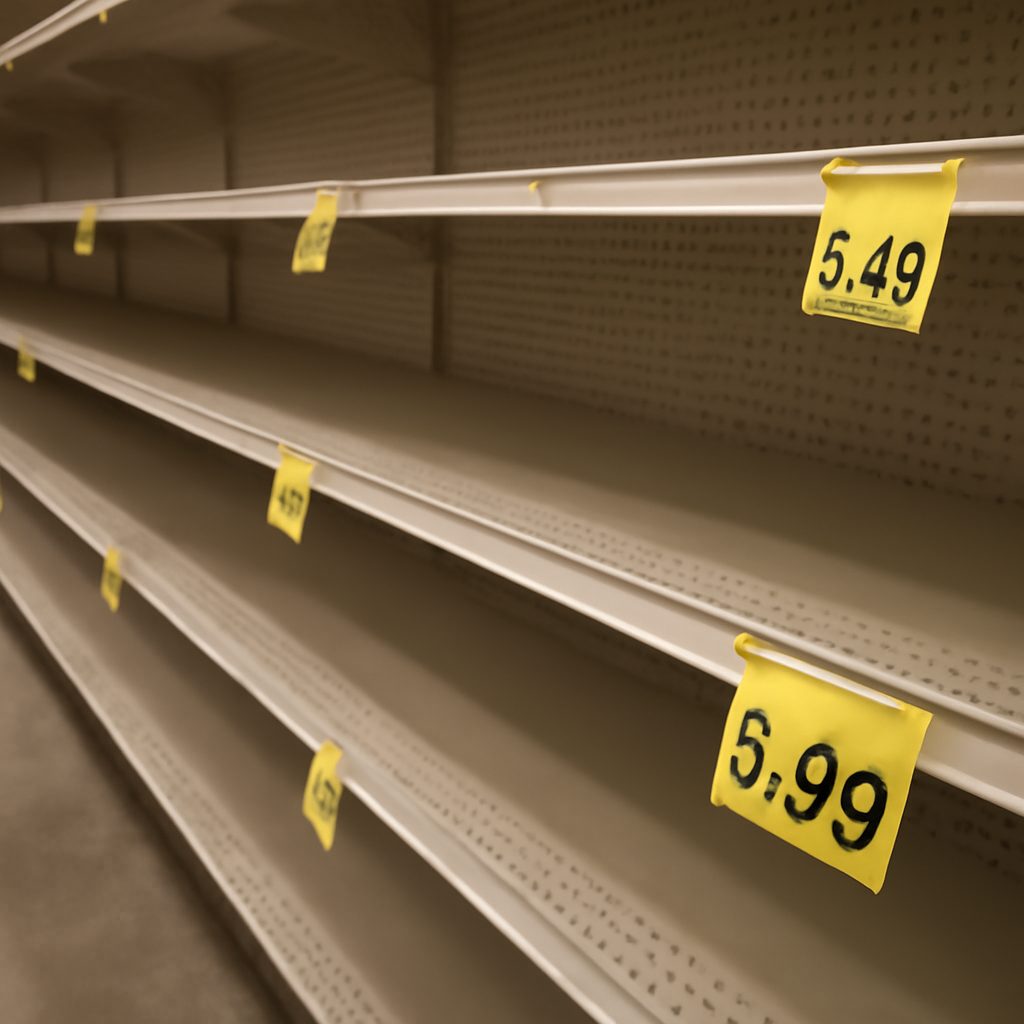
Rising grocery prices have dramatically altered American shopping habits, marking the most significant increase in costs over the past 50 years. Faced with these economic challenges, consumers nationwide are reassessing their spending strategies when it comes to food.
Recent reports indicate that food prices for home consumption have surged by 33% since early 2019, driven by various factors such as inflation and global supply chain disruptions. These increases are prompting shifts in consumer behavior as families seek more cost-effective ways to manage their grocery bills.
One significant impact of the rising costs is a noticeable shift toward bulk buying and increased reliance on discount retailers. Shoppers are more frequently turning to budget-friendly stores in an effort to maximize their purchasing power. This trend is accompanied by a growing preference for store-brand products, which are typically more affordable than their branded counterparts.
As these financial pressures continue, many households are also becoming more strategic with meal planning and ingredient selection. There is an evident preference for simpler, home-cooked meals and an increased use of coupons and digital apps to secure discounts. These measures not only help manage expenses but also encourage a return to more traditional cooking practices.
The broader economic effects of this price escalation underscore the importance of understanding consumer habits during times of financial strain. While some Americans are adapting by revisiting traditional shopping practices, others are making substantial lifestyle changes to navigate these challenging economic conditions.
With the continued uncertainty in global markets, it remains crucial for consumers to stay informed about shopping strategies that can optimize their budgets without sacrificing quality or nutrition. As the situation evolves, monitoring these habits provides valuable insight into how Americans manage their finances and adapt to economic changes.