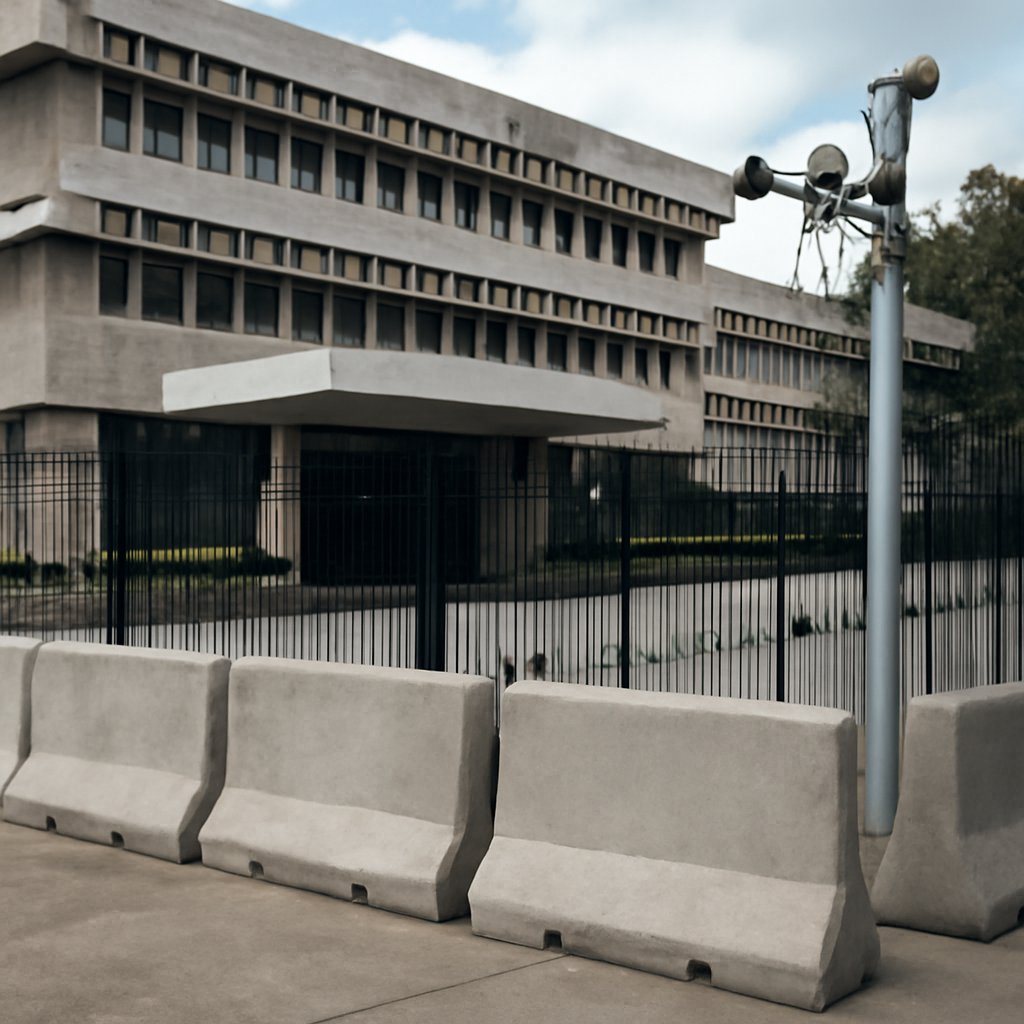
Sara Duterte's impeachment trial has heightened tensions in Philippine politics, resulting in tight security measures. This trial could significantly impact Duterte's aspirations to run for presidency in 2028, further straining her relationship with President Ferdinand Marcos Jr.
The impeachment process has brought the nation’s political dynamics into the limelight, with Duterte’s ongoing feud with President Marcos now more pronounced than ever. As the trial progresses, security levels have been elevated around governmental buildings, reflecting the seriousness of the situation. If the impeachment succeeds, Duterte will be barred from pursuing a presidential bid in the next election, a critical blow to her political ambitions.
Impeachment in the Philippines is a rigorous constitutional process often sparked by allegations of misconduct or abuse of power. Historically, such trials have captivated public attention, leading to significant political shifts. Duterte, who has been a prominent figure in Philippine politics, finds herself at the center of this high-stakes legal battle—a scenario that could reshape the country’s political landscape.
The current proceedings underscore the fragile nature of alliances within the nation’s political framework and highlight the ongoing clashes between prominent political figures. Duterte’s potential removal from office could result in shifts within the ruling party and alter political strategies moving forward.
Observers are keenly watching how this trial will unfold, as its outcome could have lasting implications not only for Duterte’s career but for the future of the country’s governance. The stakes remain high as key political players and the public await the Senate’s decision.
This significant event underscores the complex political era in which the Philippines currently finds itself, reflecting broader regional trends and tensions in governance and power structures.