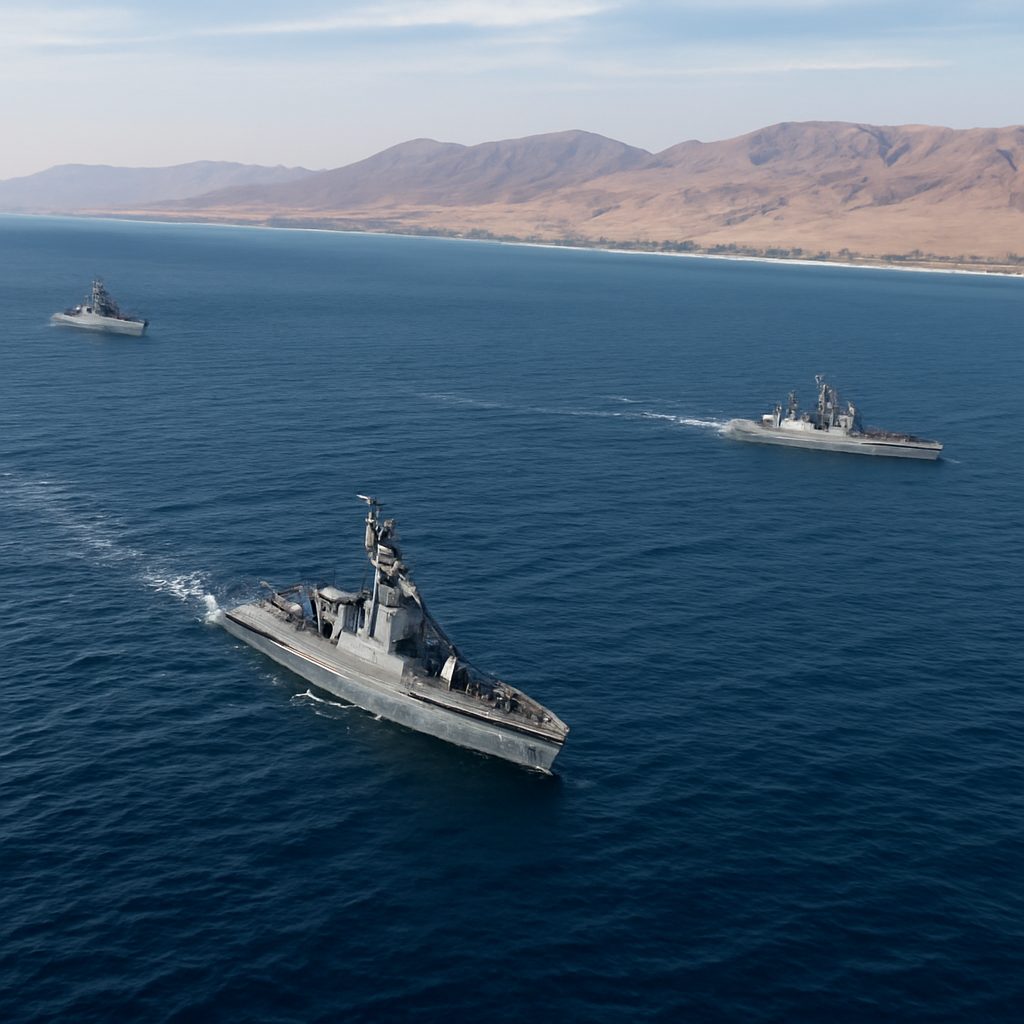
The ongoing conflict between Saudi Arabia and Houthi rebels has escalated to a new level with recent strikes in the Red Sea. This surge in activity threatens to expand the long-standing Middle East conflict into new territories. The United States and Iran have notably refrained from engaging in further military actions overnight, although regional tensions remain palpable.
The conflict between Saudi Arabia and the Houthis, originating from the latter's resistance in Yemen, has been marked by intermittent violence and diplomatic efforts to reduce hostilities. The strategic location of the Red Sea is significant not only for regional security but also for international shipping routes, amplifying global concern over potential disruptions.
Saudi Arabia, backed by a coalition of regional allies, faces persistent challenges from Houthi forces, who have been gaining strength and sophistication in their operations. These developments have prompted renewed international dialogue to mitigate a broader escalation in the Middle East.
While the current round of strikes has not drawn immediate responses from the U.S. or Iran, both nations continue to monitor the situation closely. Washington has repeatedly urged both sides to exercise restraint, emphasizing the importance of diplomatic resolutions to avoid further destabilization in the region.
As the situation evolves, the international community remains alert to the possibility of increased conflict in the crucial maritime corridors of the Red Sea. The outcome of these tensions will likely influence geopolitical dynamics in the Middle East for years to come, as vested powers navigate this complex and delicate situation.