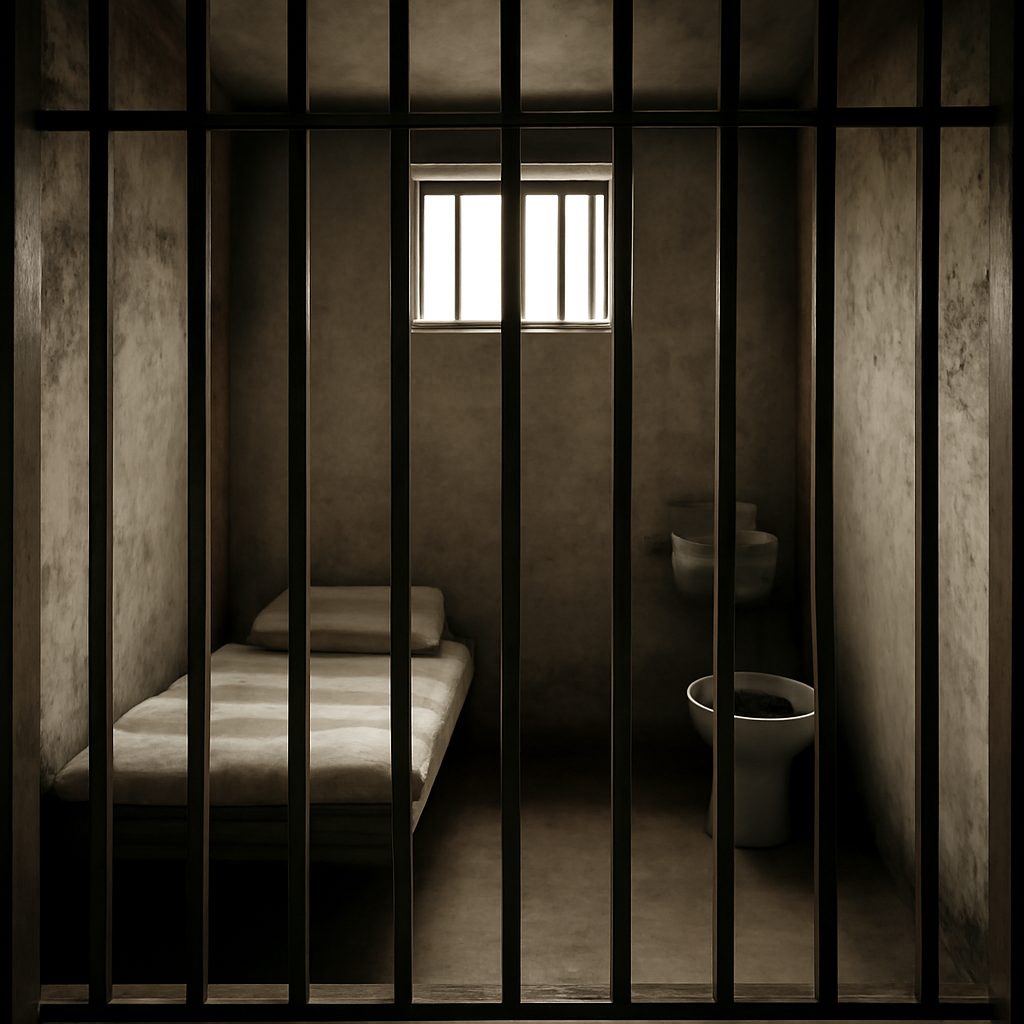
Sean "Diddy" Combs has reportedly been moved to solitary confinement following an altercation inside prison walls. This development places him under stringent rules typical of solitary conditions, which are often used as a management tool within the penal system.
Solitary confinement isolates inmates from the general prison population, involving strict limitations on communication, movement, and recreational activities. Such conditions are designed to maintain order, but they can also pose significant challenges and psychological impacts on detainees.
In solitary, an inmate typically spends 23 hours a day in a small cell, with limited access to facilities or personal interactions. Meals are commonly delivered through a slot in the door, and any movement outside the cell requires supervision by prison staff. This harsh environment is meant to deter violent behavior and maintain safety within the prison system.
The confinement of high-profile individuals like Diddy often draws public attention and raises discussions about the use of solitary confinement. Critics argue the practice can contribute to mental health issues, while proponents believe it is necessary for maintaining control in volatile situations.
As this situation unfolds, attention remains on how the circumstances will affect Diddy's time in prison and what broader implications might arise for the debate over solitary confinement practices. The broader legal and ethical considerations continue to be a point of contention in discussions of prison reform.