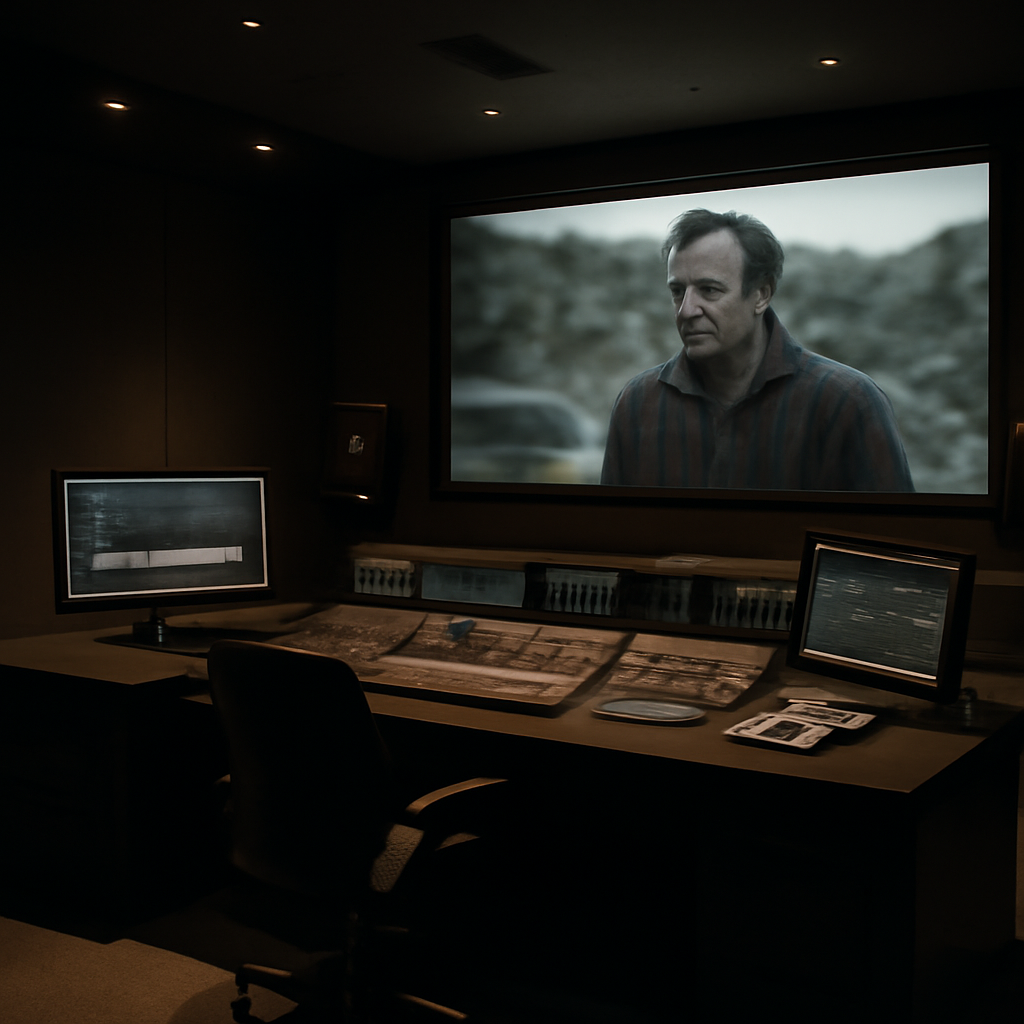
DC Studios' anticipated project, the "Supergirl" film, has faced significant setbacks due to creative differences and clashing visions. The studio had long been aware of issues related to the film's direction, but the challenges reached a boiling point in March. This was when DC tested its own cut of the film against one produced by director Craig Gillespie, according to reports from industry insiders.
The primary concern revolved around differing perspectives on the film's narrative and style. Gillespie, known for his unique directorial flair, aimed to infuse the film with his signature style, which may have conflicted with DC's broader vision for its cinematic universe. This clash highlighted a fundamental struggle between artistic independence and studio mandates, a common theme in Hollywood's landscape.
Film editing, a critical component in the filmmaking process, often involves collaboration and compromise. However, in the case of "Supergirl," the dissonance between Gillespie's artistic intentions and DC Studios' expectations led to a creative standoff. Such scenarios are emblematic of the broader challenges studios face when balancing directorial vision with franchise consistency, particularly within expansive cinematic universes like DC's.
While the fate of the "Supergirl" film remains uncertain, this incident underscores the importance of aligning creative goals early in the production process. For fans eager to see "Supergirl" soar on the big screen, the hope is that a mutually agreeable direction can be found to bring this iconic superhero's story to life.
These developments serve as a reminder of the complex dynamics at play within the entertainment industry, where creativity often intersects with commercial strategy. As DC Studios navigates these waters, the outcome could significantly impact both the "Supergirl" film and the studio's future projects.