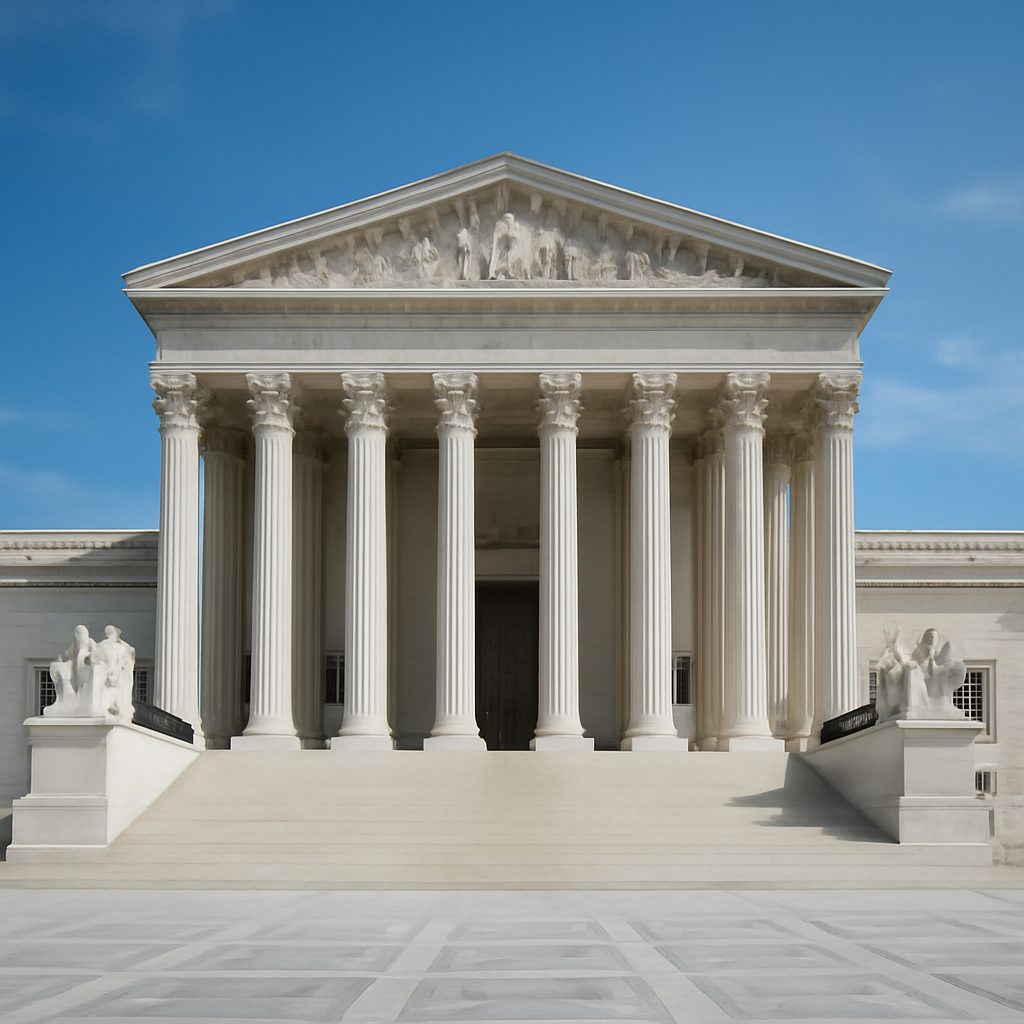
The Trump administration is urging the Supreme Court to authorize an executive order that seeks to regulate mail-in voting across the United States. This request comes after a recent ruling by an appeals court that suspended the order in nearly half the nation before the midterm elections.
The primary focus of this executive order, initially issued in March, was to address concerns over mail-in voting, a topic that has sparked considerable debate and legal challenges in recent elections. With the Supreme Court's potential involvement, the reach and implementation of mail-in voting procedures could face significant changes.
Mail-in voting has become a critical component of the electoral process, especially highlighted during the pandemic. Proponents argue it expands voter access and participation, while critics raise concerns over potential fraud and the integrity of the election process. The Trump administration's pursuit of modifying these measures underscores the ongoing contention surrounding this method of voting.
The appeals court’s decision to block the order reflects the legal complexities and varied state responses to federal mandates on electoral processes. As the Supreme Court considers whether to weigh in, states and voters alike await clarity on how these changes could affect upcoming elections.
The outcome of this Supreme Court decision holds implications not only for the administration's directives but also for the broader conversation about voting rights and electoral security in the United States. As the nation prepares for the midterms, the debate over mail-in voting remains a focal point of political and legal discourse.
By addressing these urgent considerations, the Supreme Court could shape how future elections are conducted, particularly amid growing discussions surrounding election integrity and access.