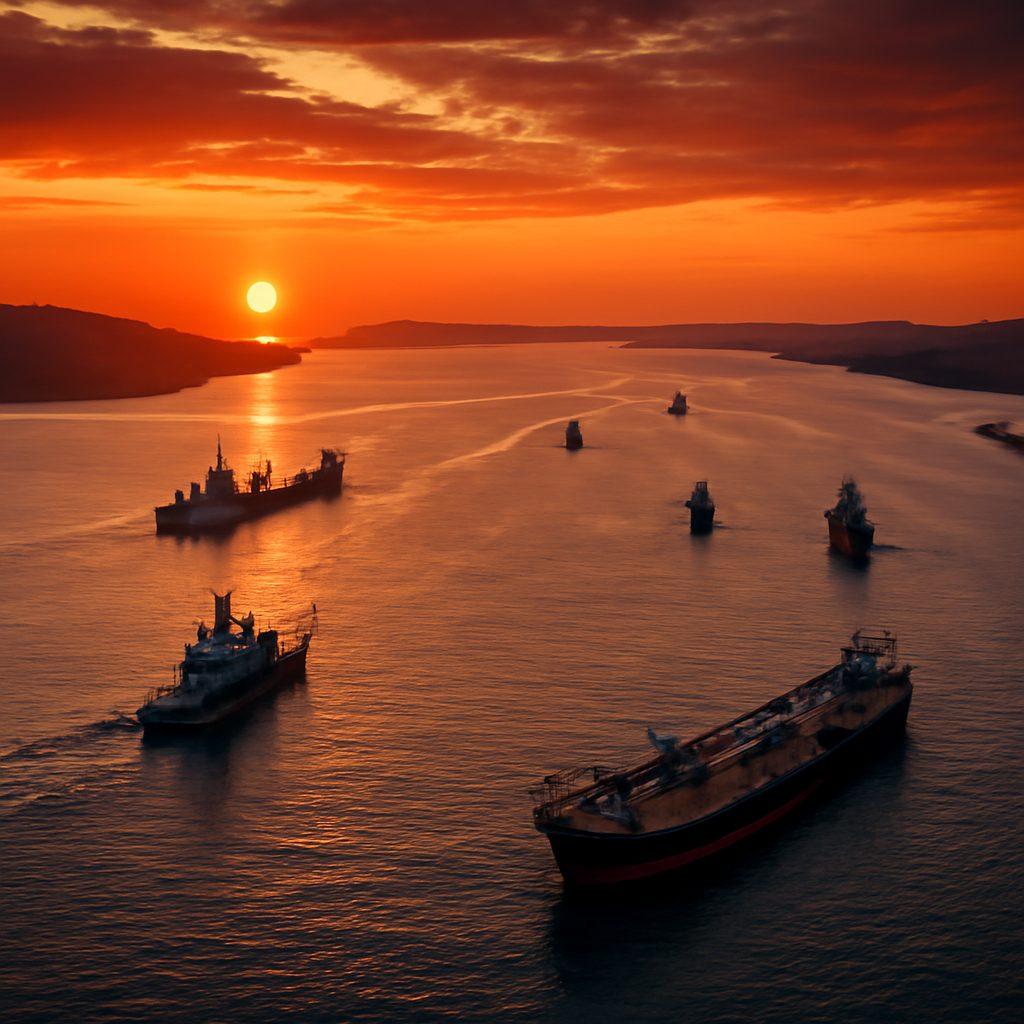
Tensions have intensified in the Middle East as former President Donald Trump claims total control over the strategic Strait of Hormuz, demanding reparations from Iran as the standoff continues. This dispute highlights the growing rift between Washington and Tehran, even as both nations discuss reducing regional hostilities.
The Strait of Hormuz, one of the world's most crucial maritime chokepoints, is a vital conduit for global oil shipments. Control over this narrow passage has long been a point of contention between the United States and Iran. Trump's assertion of dominance over the strait, coupled with his demand for reparations, has escalated the already tense relationship.
The current situation reflects how far apart the two countries stand, despite ongoing talks aimed at easing tensions. Washington's firm stance contrasts with Tehran's position, reflecting a significant challenge in diplomatic relations. The dueling narratives from both sides expose the complexities of achieving a lasting resolution in the region.
As the standoff deepens, the implications for international trade and energy markets are significant. The Strait of Hormuz sees approximately 20% of the world's petroleum pass through daily. Any disruption in its accessibility could lead to substantial global economic repercussions.
Despite these tensions, there have been calls from both sides expressing a desire to wind down hostilities. The contradiction in positions, however, suggests that a peaceful resolution may be difficult to achieve in the near future. Observers remain cautious about any potential agreements that may arise from diplomatic engagements.
This ongoing situation emphasizes the importance of the Strait of Hormuz in global geopolitics, representing a strategic focal point in Iran-U.S. relations. As events unfold, the world watches closely, aware of the potential impact on international peace and security.