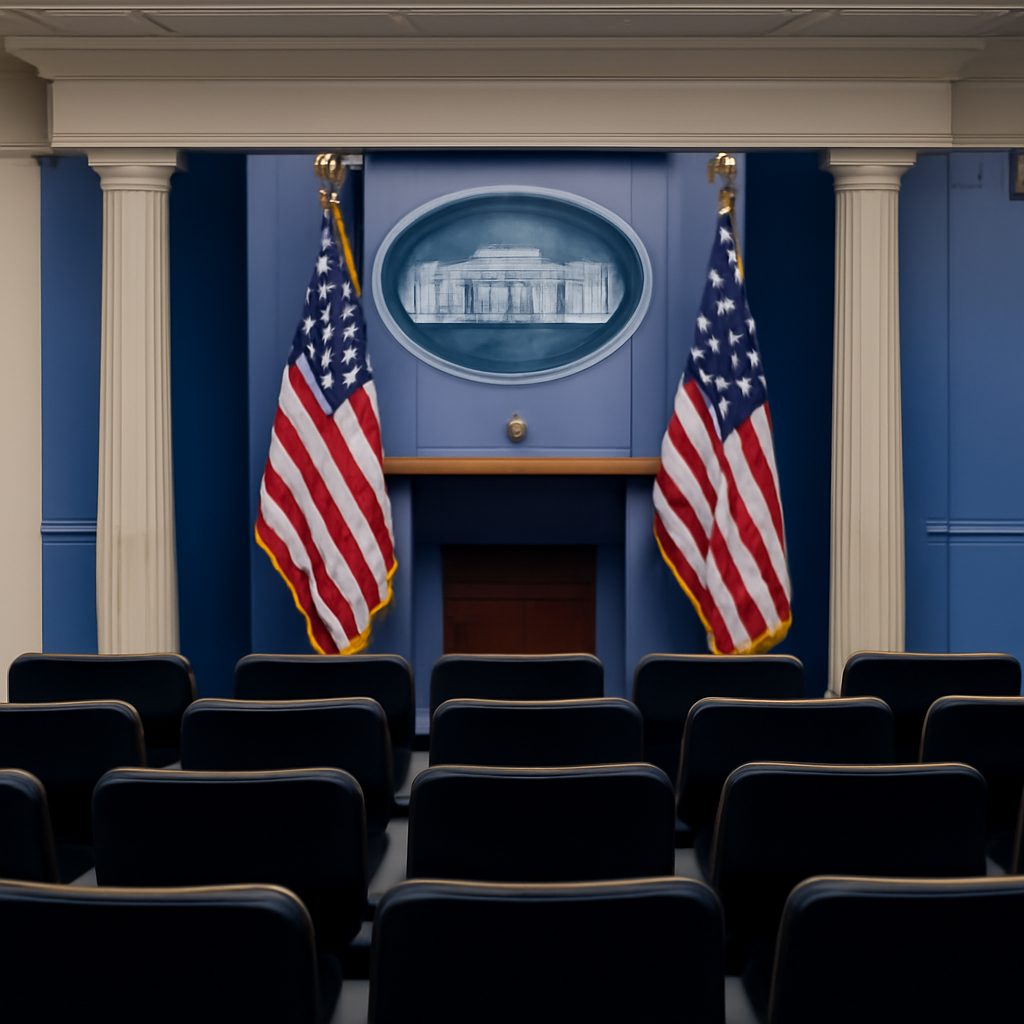
President Trump has taken decisive action by banning several prominent media outlets, including CNN and Politico, from the White House. The president accused these organizations of spreading "fake news," prompting this significant decision affecting their access to government briefings and events.
This move underscores the growing tensions between the Trump administration and certain branches of the media landscape in the United States. Trump has repeatedly expressed frustration over what he considers biased and inaccurate reporting. By restricting these outlets' access, he aims to underline his commitment to combating what he describes as the dispersal of "fiction and lies."
CNN and Politico are among the most widely recognized news organizations, and this ban contributes to the broader narrative of an embattled relationship between the president and the press. Trump's administration has long criticized certain media outlets as perpetuating a negative image, often labeling their coverage as false or misleading.
The implications of such a ban are significant. Access to the White House allows media outlets to report on important national and international issues directly from the seat of government. Being excluded from this environment can limit an organization's ability to provide timely and comprehensive news coverage, which might influence public perception and information dissemination.
The ongoing conflict between political figures and media outlets is not entirely new, but the direct refusal of access highlights a shift in media-politics relations. The decision to bar entry for these outlets raises questions about freedom of the press and the role of media as a watchdog in democratic society.
While the ban stays in effect, it remains to be seen how these media organizations will adapt and continue to cover the administration, utilizing alternative methods or sources for obtaining information critical to public interest.