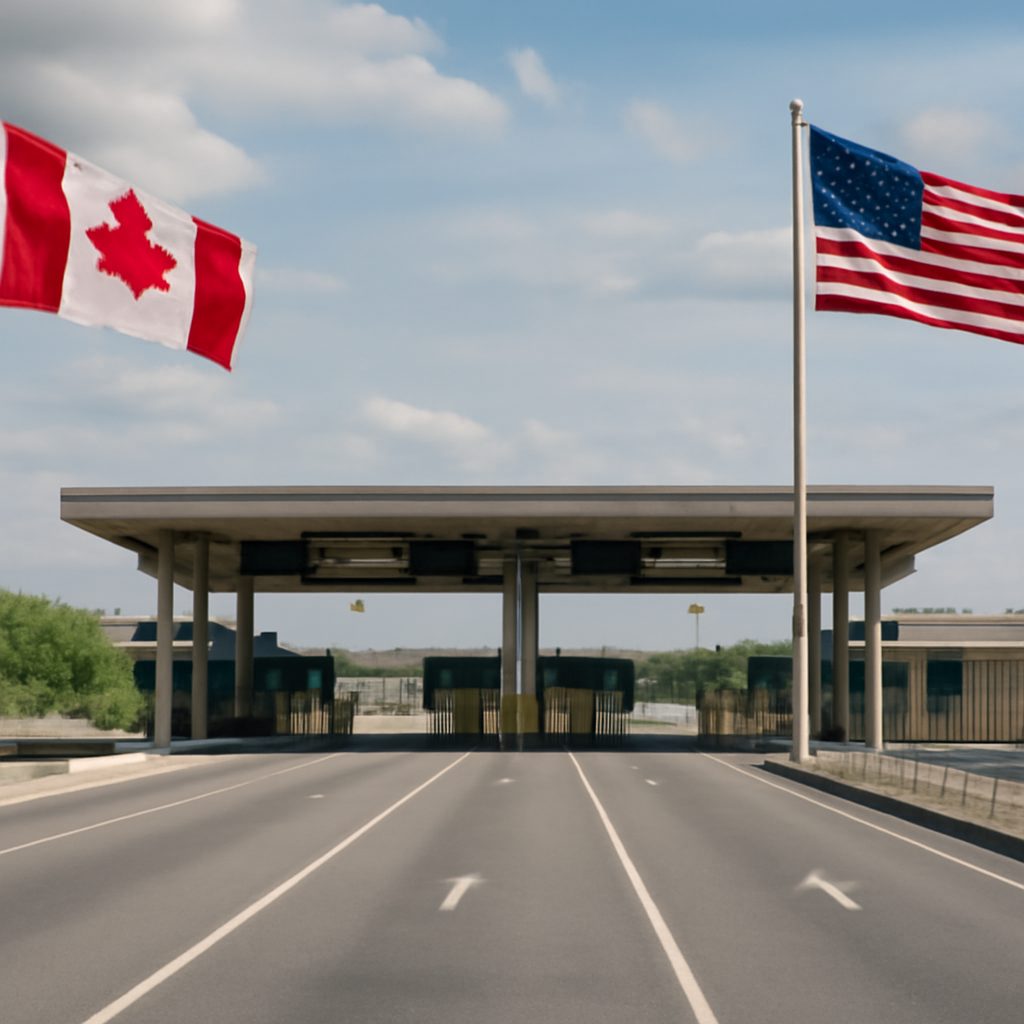
President Donald Trump's trade policies are testing Canada's approach to economic coercion, as highlighted by Canadian Prime Minister Mark Carney earlier this year. Carney emphasized the importance of middle powers standing firm against such practices. With escalating trade tensions, Trump's actions are now putting Canada's resilience to the test.
Prime Minister Carney's warning about economic coercion was not limited to Canada but extended to other middle powers worldwide. The core of his message revolved around the ability of smaller nations to resist pressure from larger, more powerful countries in economic negotiations. This stance becomes increasingly relevant as Trump's administration continues to wield trade policies that impact global markets.
The trade dynamics between the United States and Canada have been complicated by recent tariff implementations and renegotiations of trade agreements. The situation calls for diplomatic skill as Canada navigates the pressures of maintaining sovereignty over its economic policies while staying engaged with its largest trading partner.
Experts suggest that Canada's response to these tests could influence global trade patterns. As Carney advised, countries might need to collaborate more effectively to counteract coercive economic tactics. This situation not only challenges Canada's economic strategies but also serves as a barometer for international trade relationships moving forward.
The broader implications of the U.S.-Canada trade tensions highlight the necessity for strategic alliances. Nations are watching closely as Canada's approach to economic coercion could set precedents for future diplomatic and trade engagements globally. The outcome of these negotiations might redefine how middle powers contribute to the larger economic landscape.
Ultimately, the ongoing issue reflects the complexities of modern trade relationships, where power dynamics and economic interests often collide. Canada's experience with Trump's trade policies will likely offer valuable lessons for other countries facing similar challenges in the era of economic globalization.