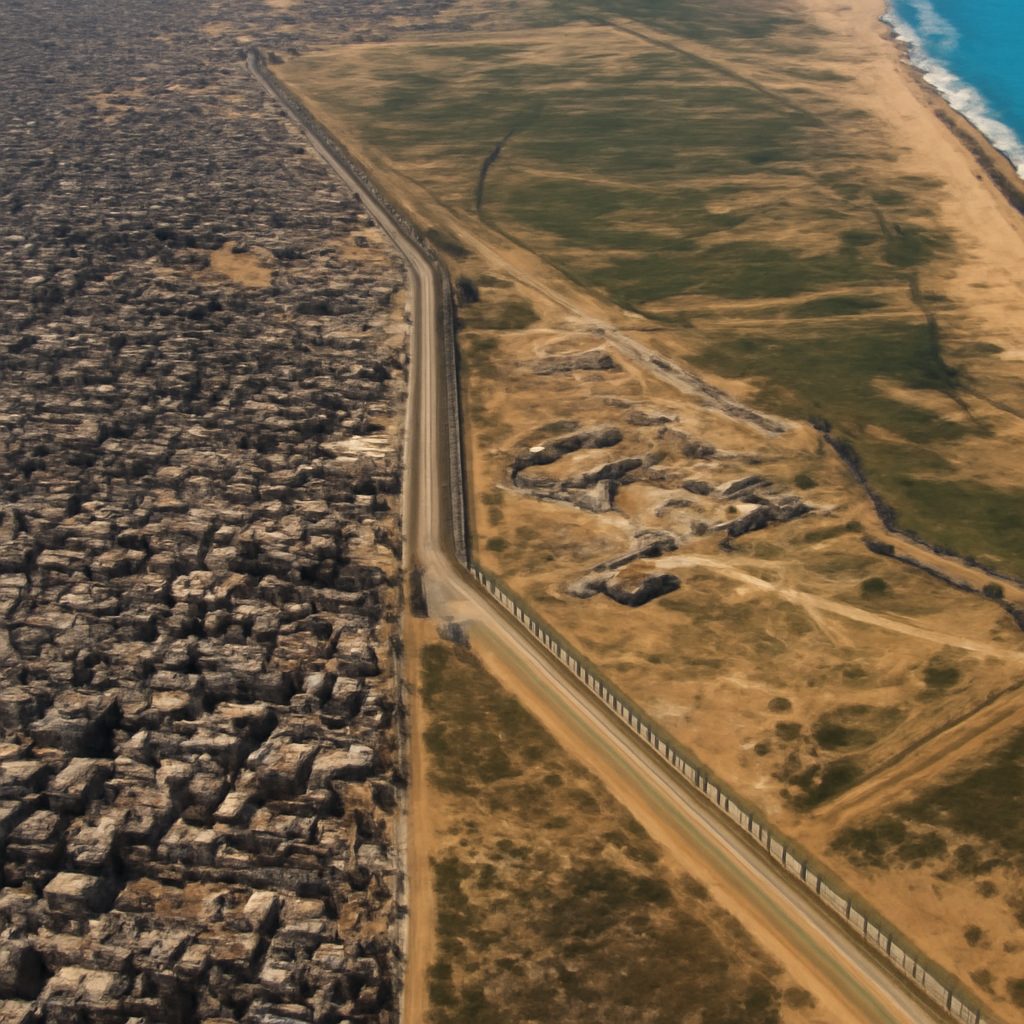
The Trump administration's Gaza deal, which aims to see Hamas disarm and Israel withdraw from contentious areas, is facing significant delays. Neither party seems willing to take the first step, creating obstacles for potential peace in the Middle East.
This agreement has been hailed as a historic step towards resolving the ongoing conflict between Israel and Hamas. However, key issues linger as both factions remain wary of being the first to implement their respective commitments. The primary keyword for understanding this situation is "Trump Gaza deal," which encapsulates the core of this diplomatic effort.
A critical component of the agreement involves Hamas relinquishing its military capabilities. Despite international pressure, the group's reluctance to disarm without concrete assurances from Israel highlights the persistent distrust. Meanwhile, Israel's withdrawal from Gaza hinges on a secure transition, which currently appears tenuous at best.
Secondary keywords pertinent to this discussion include "Hamas disarmament," "Israeli withdrawal," "Middle East peace," and "historic agreement." Each term ties into the broader narrative of seeking a sustainable resolution in the region.
The geopolitical landscape of Gaza remains fragile, underscored by historical tensions and recent negotiations. The deal, while ambitious, must overcome substantial hurdles before it can transform into a longstanding solution. As both parties navigate these complexities, global observers watch closely, hoping for a breakthrough that could redefine peace prospects in the region.
Ultimately, the Trump Gaza deal is at a critical juncture. Both Israel and Hamas face pressure not only from international communities but also from their respective constituencies to ensure that any steps taken align with security and political interests. As negotiations progress, the possibility of achieving a lasting peace hinges on mutual trust and careful diplomacy.