President Donald Trump has ordered the Pentagon to significantly reduce joint military exercises with South Korea. This directive is largely influenced by South Korea’s decision not to engage in the conflict in Iran and Trump's ongoing diplomatic relationship with North Korean leader Kim Jong Un.
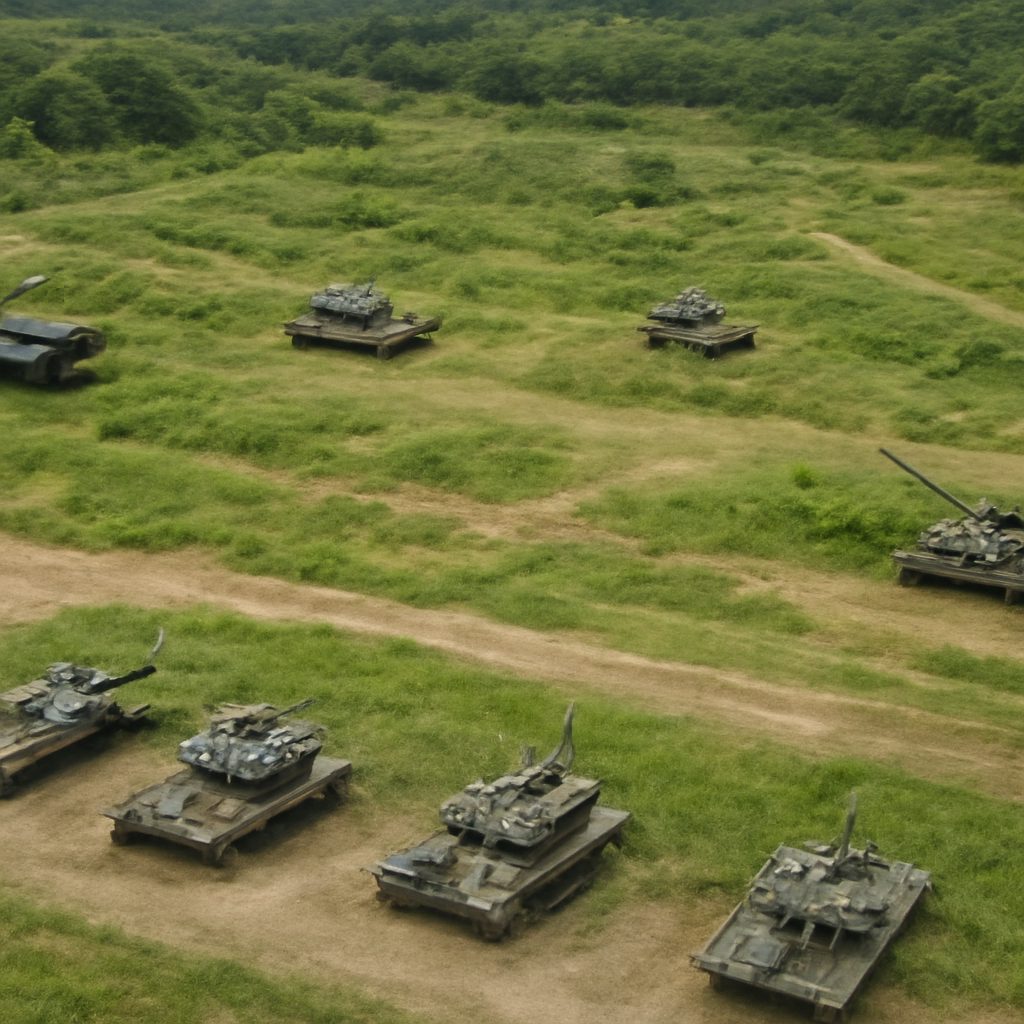
Military exercises between the United States and South Korea have long been a staple in ensuring readiness against potential threats from North Korea. However, President Trump described his relationship with Kim Jong Un as favorable, implying a reduced need for extensive military collaborations. These exercises often include a display of military technology, ranging from ground forces to aerial and naval operations.
The decision to scale down these joint exercises may reflect broader diplomatic strategies and shifts in regional security dynamics. South Korea's refusal to participate in actions against Iran highlights the complexities of international alliances and the various strategic considerations nations must manage.
The context of these developments is rooted in the shifting geopolitical landscape of the Korean Peninsula, where military readiness and diplomatic negotiations often intersect. Reducing the frequency or scale of such exercises is seen by some experts as a gesture to promote further dialogue with North Korea, though it may also raise concerns about preparedness amid ongoing tensions.
This move underscores the evolving nature of U.S. military engagements abroad and demonstrates how regional political considerations can impact defense strategies. While the immediate effects may involve logistical adjustments, the long-term implications could significantly influence regional stability and diplomatic relations.
By directing a reduction in military activities with South Korea, Trump is highlighting the balance of maintaining diplomatic relations with North Korea while managing alliances in other global conflicts.