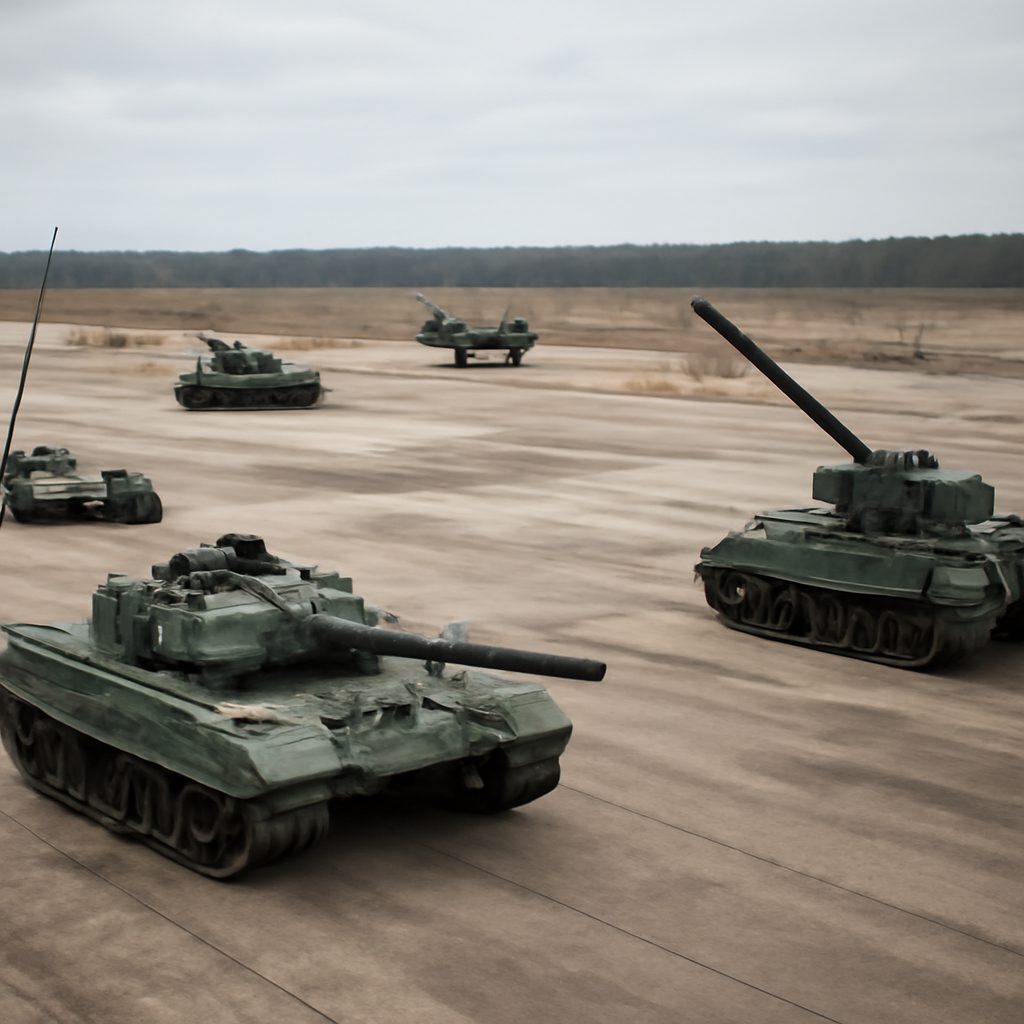
President Donald Trump has instructed the Pentagon to scale back joint military exercises with South Korea. This decision, announced in a recent social media post, is a significant move in U.S. defense policy affecting the Asian region.
The exercises, crucial for fostering military cooperation and preparedness against potential threats, are now slated for reduction. Trump's decision comes amid broader diplomatic considerations, notably following his comments on South Korea's role in the denuclearization of Iran.
Joint military drills between the U.S. and South Korea have been a cornerstone of military strategy in the region, aimed at deterring aggression and ensuring stability. The scale-back signals a shift in priorities, potentially impacting the broader security dynamics in East Asia.
Such exercises have long been a point of contention with North Korea, which views them as provocations. By altering these operations, the U.S. may be seeking to ease tensions while balancing its defense commitments.
This move reflects ongoing recalibrations in U.S. foreign policy, highlighting the complexities of international alliances and strategic military planning. As the Pentagon adjusts its strategies, both South Korean and U.S. military officials will likely evaluate the implications for regional security and diplomatic relations.
In the evolving landscape of global politics, shifts in military engagement like this underscore the importance of strategic agility and the constantly changing nature of defense policies.