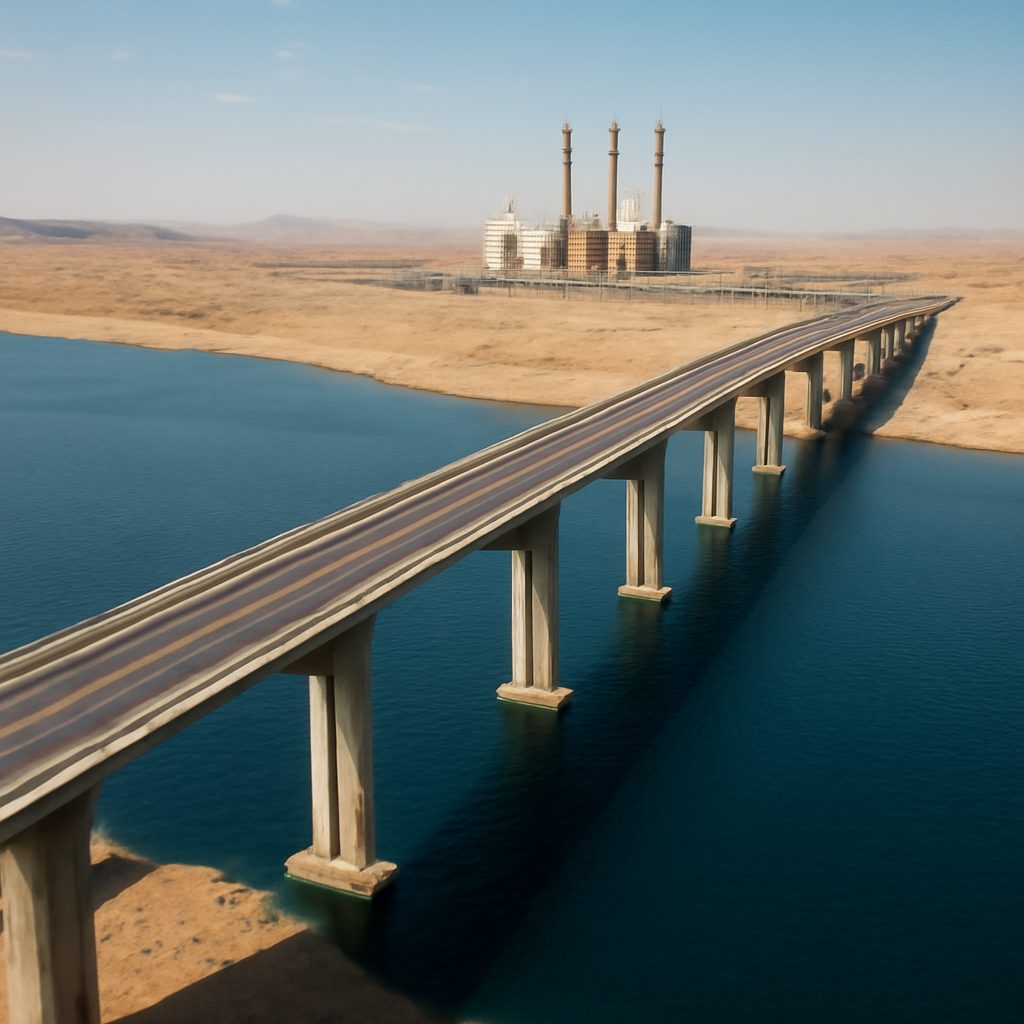
U.S. President Donald Trump has announced a strategic warning to Iran, stating that the United States will target critical infrastructure in response to any Iranian attacks in the Strait of Hormuz. The declaration emphasizes the destruction of a bridge or power plant for each offensive action by Iran against ships navigating this vital waterway.
The Strait of Hormuz is a crucial maritime passage, responsible for a significant portion of the world's oil transit. Any disruption in this region can significantly impact global oil supply and economic stability. President Trump's latest statement underscores ongoing tensions between the United States and Iran, particularly concerning military actions in this geopolitically sensitive area.
By focusing on infrastructure like bridges and power plants, the U.S. aims to apply pressure on Iran by targeting vital national assets. This comes amid heightened conflict concerns, as both nations continue to engage in strategic maneuvers within the region. The U.S. decision to escalate countermeasures highlights the critical importance of the Strait of Hormuz to international trade and energy security.
The developments reflect long-standing tensions between the U.S. and Iran, often exacerbated by regional conflicts and economic sanctions. Such political dynamics necessitate careful navigation to prevent further escalations. Though the Trump administration adopted a firm stance, the broader implications for diplomatic relations remain uncertain.
As the situation unfolds, the global community is watching closely. The decisions made by both countries could influence not only regional stability but also international diplomatic policies and energy markets.
Understanding the intricacies and strategic significance of actions within the Strait of Hormuz is essential for grasping the broader geopolitical landscape. This latest statement from President Trump reinforces the U.S. commitment to safeguarding maritime security and highlights ongoing complexities in U.S.-Iran relations.