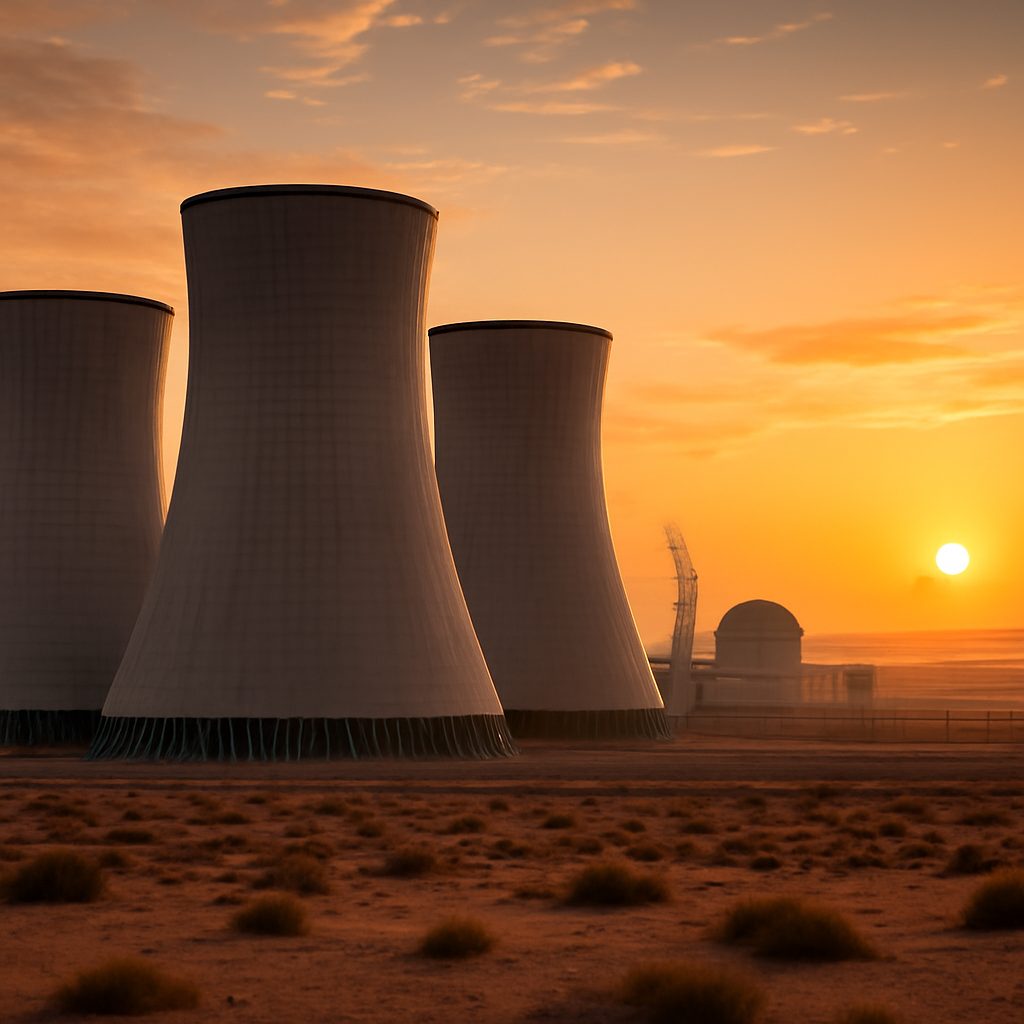
Former President Trump's recent shift in US nuclear policy with Saudi Arabia marks a significant departure from traditional diplomatic protocols. Historically, American administrations have linked the sharing of nuclear technology with Saudi Arabia to the normalization of relations between the Kingdom and Israel. This longstanding prerequisite has now been jettisoned, raising questions about the future of Middle Eastern diplomacy and international security.
The primary driving force behind this policy change involves revising strategic alliances in the region. By decoupling the nuclear technology agreement from the Israeli-Saudi diplomatic process, the United States may be seeking to strengthen its ties with the Saudis independently of Israel. This development potentially reshapes geopolitical dynamics, with broader implications for US influence in the Middle East.
Saudi Arabia's quest for nuclear technology is largely motivated by its energy diversification goals. Like many oil-dependent nations, the Kingdom is looking to bolster its energy portfolio with nuclear power. This demand presents lucrative opportunities; however, it is met with concerns about nuclear proliferation and the security of nuclear materials.
The reconsideration of diplomatic prerequisites aligns with a broader reevaluation of Middle Eastern policy. As the region evolves politically and economically, Western powers including the United States must adapt to changing realities, balancing strategic interests with global security concerns.
While this shift might reinforce US-Saudi relations, it raises debates on the ethical and security implications of sharing nuclear technology without verifiable commitments to peace with Israel. This move could also prompt other countries to question long-standing US conditions for similar agreements, potentially influencing future international negotiations.
As the ramifications of this policy shift unfold, both diplomats and analysts will be closely watching to see how this impacts stability in the Middle East and the global balance of power.