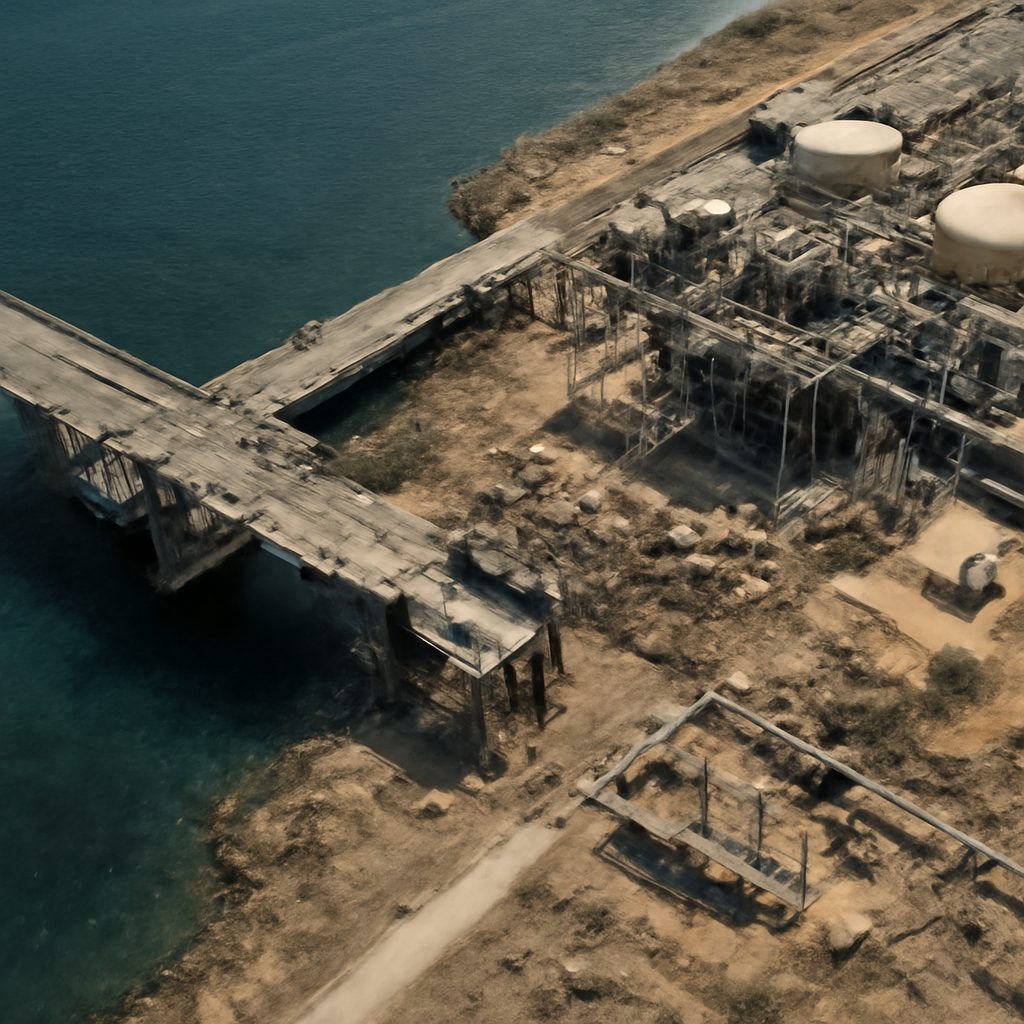
The United States has expanded its military campaign against Iran by conducting airstrikes that target critical infrastructure. The latest strikes occurred early Friday, focusing on strategic bridges in Iran and a water desalination plant in Kuwait. This escalation comes amid heightened tensions following threats from US President Donald Trump to target vital facilities.
The airstrikes in Iran specifically aimed at key bridges that serve as critical transportation links in the country. The damage inflicted could significantly impact the movement of goods and people, further straining Iran's economy. These actions reflect a broader strategy to undermine Iran's strategic capabilities without engaging directly with military targets.
In addition to the strikes in Iran, a desalination plant in Kuwait was also hit, marking a concerning expansion of the conflict into neighboring regions. The plant, crucial for providing fresh water to the region, underscores the potential environmental and civilian implications of targeting such infrastructure. This strike raises questions about the scope of the US military strategy in the Middle East.
The offensive measures come after increased tensions between the US and Iran, with the US administration seeking to exert maximum pressure on Tehran through both economic sanctions and targeted military actions. These efforts aim to curb Iran's influence and military capabilities in the region, but they also risk sparking broader regional instability.
As these developments unfold, the international community watches closely, with concerns about the potential for further escalation. The targeting of essential infrastructure highlights the broader impact of the conflict on regional stability and civilian lives, as well as the environmental consequences of military actions.
The situation remains fluid, and its unfolding could have significant implications for international relations and policy in the Middle East. The focus on infrastructure targets demonstrates a clear strategic shift that prioritizes broader economic and logistical disruption over direct military confrontation.