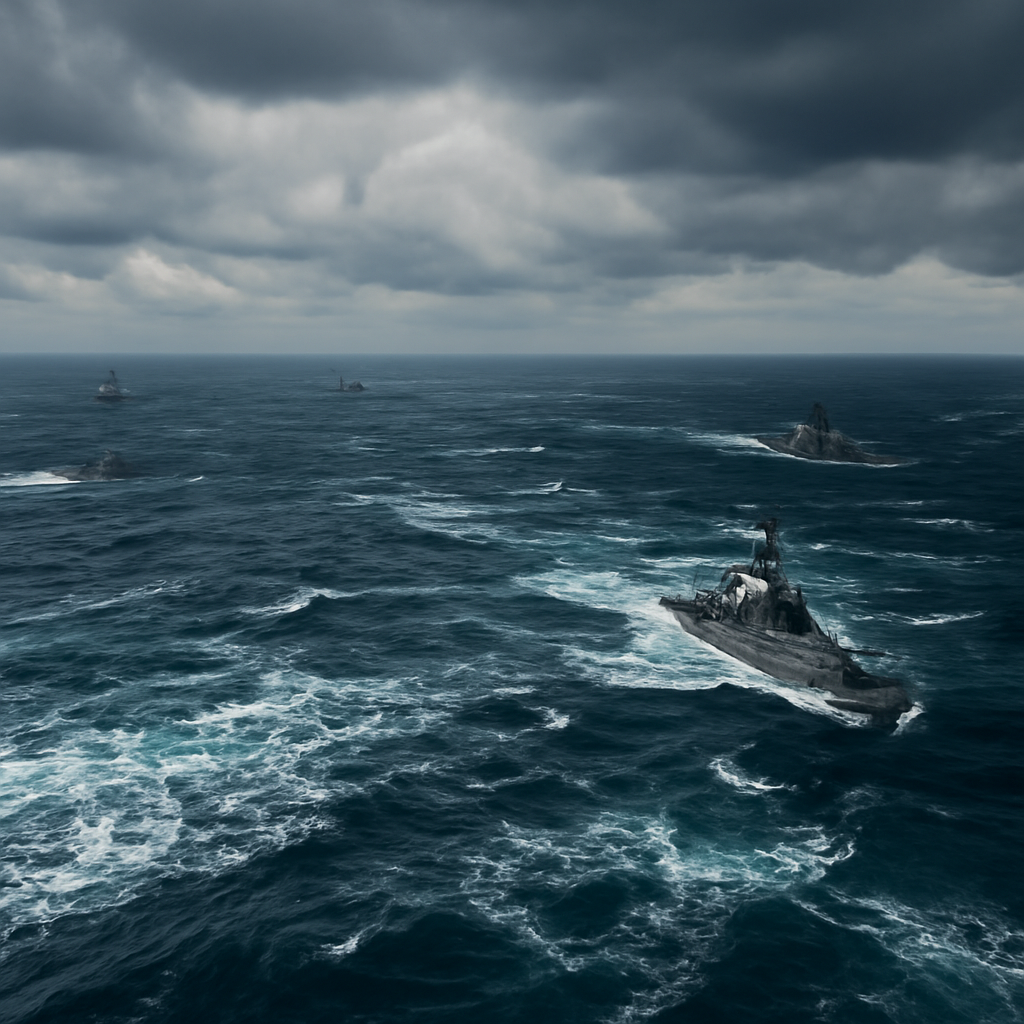
The U.S. and Iran have exchanged airstrikes in a recent escalation of tensions following attacks on commercial ships in the Strait of Hormuz. This vital waterway, through which a significant portion of the world's oil travels, has become a flashpoint in the ongoing conflict.
The primary keyword, "U.S. and Iran airstrikes," reflects the core of this rising conflict, impacting international relations and energy markets. In response to the incidents at sea, Iran claimed responsibility for targeting over 80 U.S. military facilities located in Bahrain and Kuwait. These strategic locations host American forces and play crucial roles in U.S. military operations in the Middle East.
As both nations engage in a cycle of retaliation, questions about maritime security and geopolitical stability come to the forefront. The Strait of Hormuz remains a critical artery for global energy supplies, and any disruption can lead to significant economic repercussions worldwide. Analysts express concern over the potential for broader conflict if diplomatic solutions do not emerge.
Secondary keywords such as "Middle East tensions," "maritime security," and "energy supplies" highlight the broader implications of this conflict. The situation underscores the delicate balance required to maintain peace and stability in a region marked by longstanding disputes and strategic interests.
While the full impact of these events continues to unfold, the international community closely monitors developments. Efforts toward de-escalation and renewed dialogue may prevent further conflict, but the volatility along this corridor remains a pressing concern for global stakeholders.