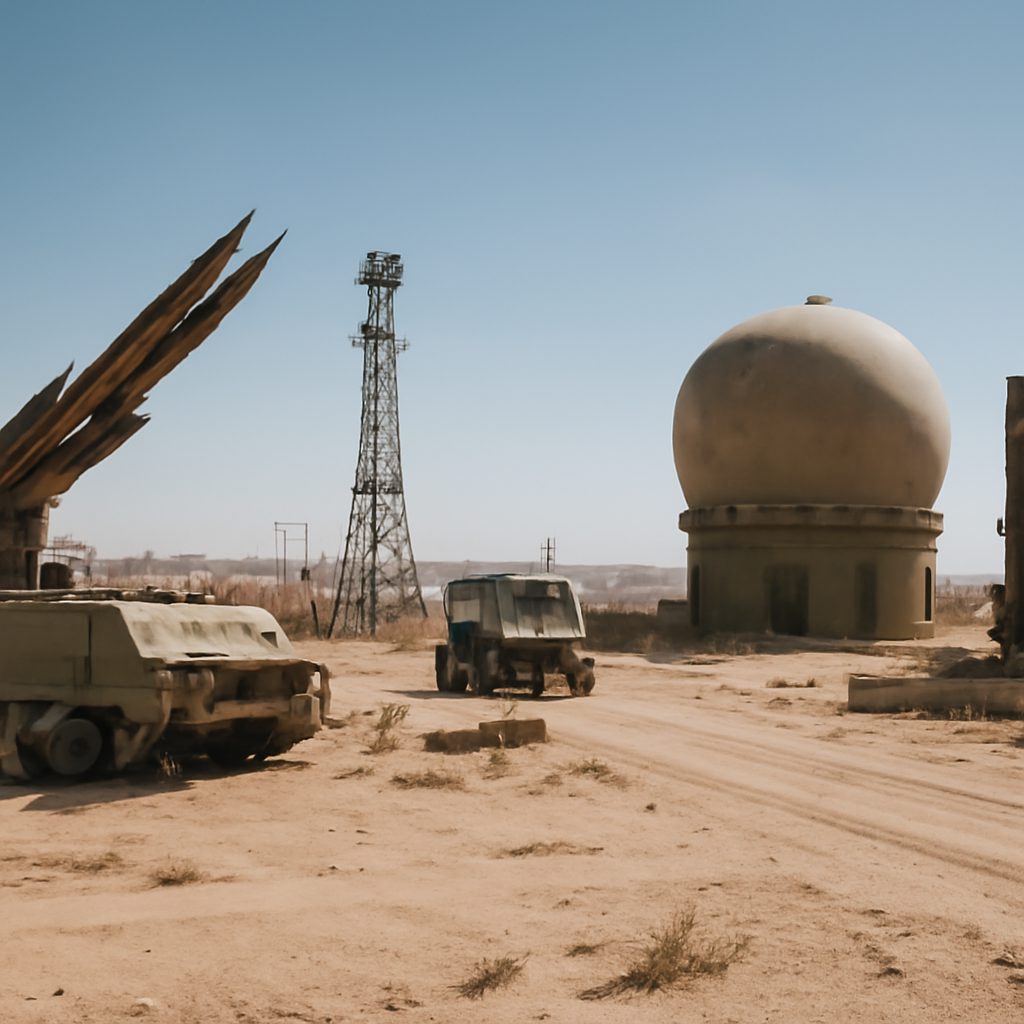
The recent resurgence of military strikes between the United States and Iran marks a significant shift after a month of relative calm. This exchange follows a brief period during which the U.S. focused primarily on economic pressures rather than military action. President Donald Trump, addressing the renewed tensions, expressed confidence in the U.S. position amid the strategic confrontation.
Over the past three days, both nations have engaged in a series of strikes, breaking the period of reduced hostility. While the specific motivations behind the escalation remain intricate, they are embedded in the broader geopolitical landscape of U.S.-Iran relations. The administration's prior emphasis was largely on imposing economic constraints to curtail Iran’s regional influence and nuclear ambitions.
The context of these events can be traced back to the complex history of U.S.-Iran interactions, which have long been marked by fluctuating tensions and negotiations. The recent strikes highlight ongoing strategic challenges and underscore the volatile nature of Middle Eastern geopolitics.
Despite the recent flare-up, President Trump's remarks suggest a continued strategic confidence. This confidence may stem from ongoing diplomatic initiatives and military readiness. Such dynamics underscore the administration's approach to balancing diplomatic channels with shows of military strength.
Observers and analysts continue to monitor these developments closely. The immediate future of U.S.-Iran relations may hinge on broader international responses and whether diplomatic engagements will accompany or replace military actions. The situation remains fluid, with potential implications for regional stability and global political alliances.
The unfolding narrative calls attention to the broader geopolitical strategies employed by both nations and how these strategies impact international diplomatic efforts. The renewed military exchanges not only reflect underlying tensions but also serve as a critical point of consideration for future foreign policy directions.