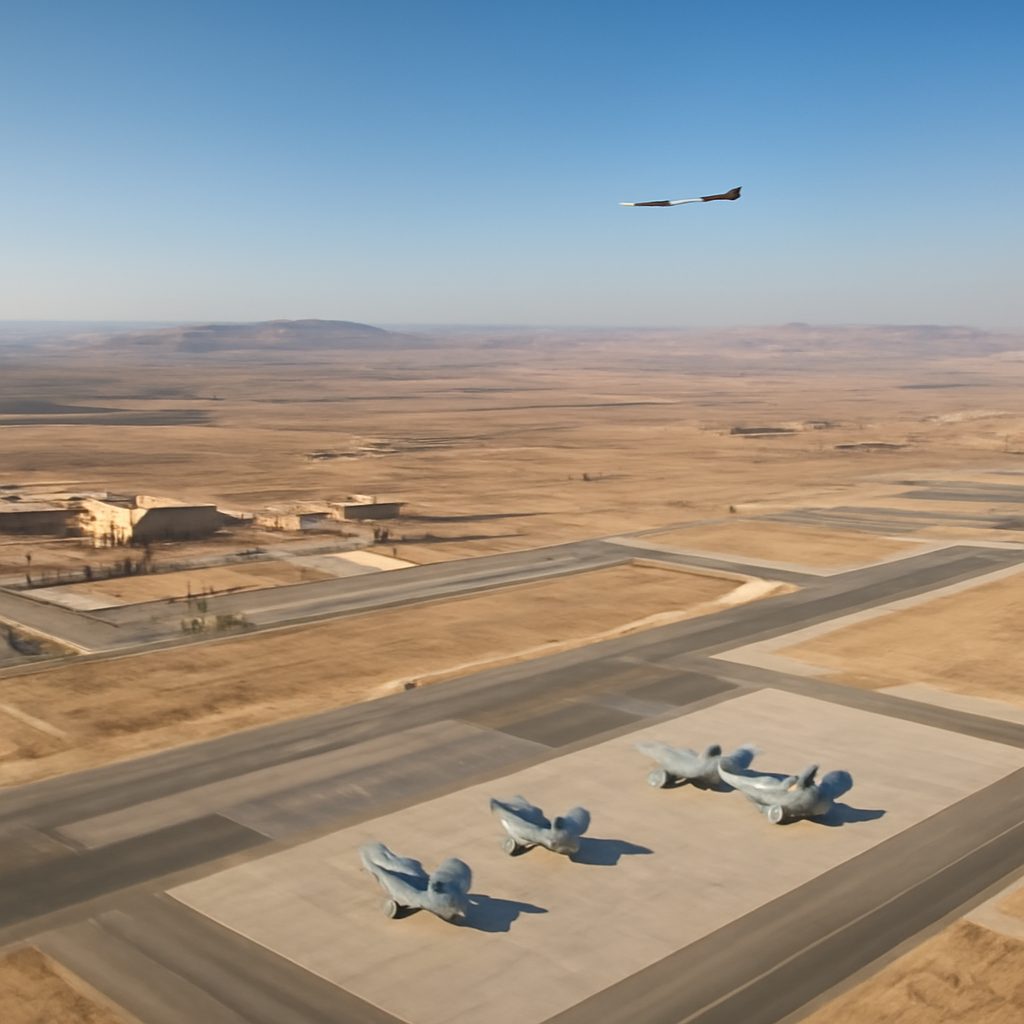
The recent decision to pause airstrikes in the Middle East marks a significant moment in the ongoing tensions between the United States and Iran. The temporary cessation of military activity comes after nearly two weeks of escalated bombing, aimed at reducing mounting tensions in the region. This pause allows space for diplomatic talks to advance, with the aim of preventing further escalation into a wider conflict.
The airstrikes had intensified as both nations responded to perceived threats and actions. However, international pressure and the potential consequences of an all-out war have encouraged both countries to reconsider their approaches. This pause indicates a willingness to explore diplomatic solutions, though challenges remain in addressing the underlying issues that led to this point.
Diplomatic efforts are focusing on finding common ground to avert further military engagement. Talks have been bolstered by international stakeholders urging de-escalation and seeking a negotiated outcome. While this pause offers a glimmer of hope, the path to a lasting resolution remains complex and fraught with historical tensions and mistrust.
Observers note that these initial steps could lay the groundwork for renewed negotiation frameworks. The success of such talks will depend heavily on the willingness of both parties to compromise and address contentious issues, such as regional influence and nuclear capabilities.
Ultimately, the ability for the United States and Iran to take a diplomatic "off-ramp" from military escalation is crucial for regional stability. As these discussions progress, the international community watches closely, hopeful for a peaceful resolution that could set a precedent for handling future conflicts in the region.