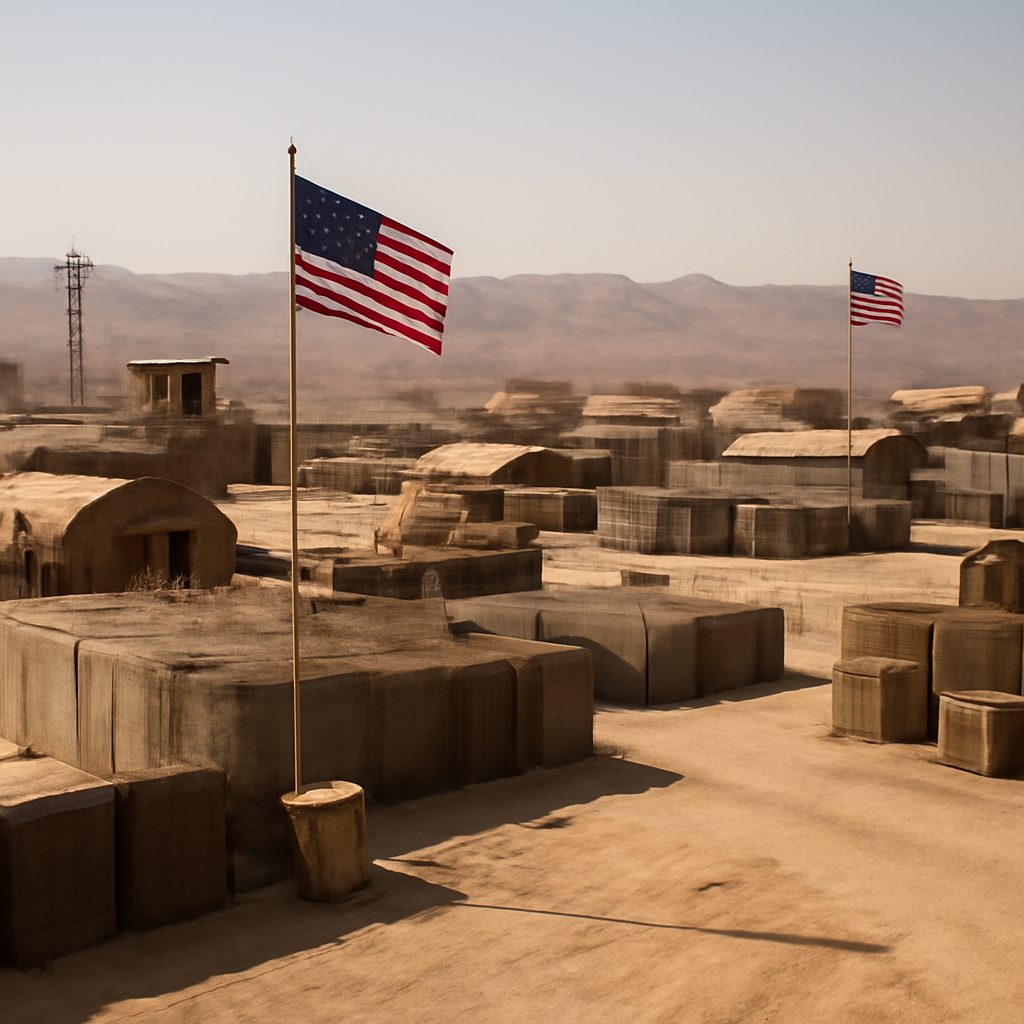
The escalating tensions between the United States and Iran have reached a critical point after recent military casualties. The U.S. Central Command reported the loss of a service member in Iraq and unidentified remains at an Iranian missile attack site in Jordan. This development has heightened concerns over a potential all-out conflict in the already volatile Middle East region.
Since the U.S. withdrew from the Iran nuclear deal, friction has compounded with incidents in the Gulf and allegations of proxy conflicts. The loss of service members is a significant escalation, adding urgency to diplomatic efforts to reduce hostilities.
Iran's strategic position in the Middle East means that increased tensions could impact global security and oil supplies, affecting economies worldwide. Military analysts warn that continued hostilities may destabilize neighboring regions and lead to broader geopolitical ramifications.
In response to these events, international leaders are urging for restraint and dialogue. The unfolding situation underscores the need for effective conflict resolution mechanisms to prevent widespread unrest.
The U.S. military presence in the region is under intense scrutiny, with debate over troop levels and long-term strategy. As the situation evolves, diplomatic and military channels remain crucial to manage and potentially resolve these tensions.
This period of heightened uncertainty underscores the complex interplay between military actions and diplomatic strategies, revealing the fragile nature of peace and stability in international relations.